Why Choose BPA-Free Silicone Teether Balls?
Teething is an essential milestone in a baby’s development, but it can also be a challenging and uncomfortable time for both babies and parents. To provide relief and promote healthy oral development, many parents turn to teether balls. However, it is crucial to choose teether balls made from BPA-free silicone to ensure the safety and well-being of your baby. This article explores the benefits of BPA-free silicone teether balls and why they are the preferred choice for teething babies.
Understanding BPA and its Risks
What is BPA?
Bisphenol A (BPA) is a chemical compound commonly found in plastics and resins used in the production of various consumer products, including baby products. BPA has been a subject of concern due to its potential health risks, particularly when it leaches into food or liquids.
Health Risks Associated with BPA
Research suggests that exposure to BPA may have adverse effects on human health, especially in infants and young children. Studies have linked BPA exposure to hormone disruption, developmental issues, and an increased risk of certain health conditions. As a result, many manufacturers have shifted towards producing BPA-free alternatives to mitigate these potential risks.
Further Reading:
-
The Diversity of Silicone Toys: Stimulating Babies’ Desire to Explore
-
Silicone Baby Toys: Safety Standards and Cleaning Methods
-
Silicone Allergy: Symptoms, Diagnosis, Treatment, and Prevention
-
Silicone Baby Spoon and Feeding Bowl Set: The Ideal Choice for New Mothers
-
Silicone Sensory Toys: How They Support Sensory and Cognitive Development
-
A Comprehensive Guide to Selecting and Using Silicone Baby Bibs
The Benefits of Silicone Teether Balls
Safe and Non-Toxic Material
BPA-free silicone teether balls are made from a safe and non-toxic material. Silicone is free from harmful chemicals such as BPA, phthalates, and PVC, making it a reliable choice for teething babies. This ensures that your baby can safely chew on the teether balls without being exposed to potentially harmful substances.
Soft and Gentle on Baby’s Gums
Silicone teether balls have a soft and flexible texture, providing gentle relief to your baby’s sore gums. The pliable nature of silicone allows babies to chew on the teether balls comfortably, soothing their discomfort and promoting healthy oral development.
Easy to Clean and Maintain
BPA-free silicone teether balls are easy to clean and maintain. They are resistant to staining and do not retain odors, ensuring that the teether balls remain hygienic for your baby. Simply wash them with warm, soapy water or place them in the top rack of the dishwasher for convenient cleaning.


Exploring BPA-Free Silicone Teether Balls
Material Composition and Safety Standards
BPA-free silicone teether balls are typically made from 100% food-grade silicone, which meets rigorous safety standards. Food-grade silicone is non-toxic, hypoallergenic, and resistant to bacteria growth, providing a safe and hygienic teething option for babies.
Durability and Longevity
Silicone teether balls are known for their durability. They can withstand the rigors of teething, ensuring that they remain intact and effective for an extended period. The sturdy construction of BPA-free silicone teether balls means they can withstand the biting and chewing of babies without easily breaking or deforming.
Different Shapes and Textures for Sensory Stimulation
BPA-free silicone teether balls come in various shapes and textures, providing different sensory experiences for babies. Some teether balls have gentle ridges or bumps, offering additional stimulation and soothing effects on the gums. The variety of shapes and textures cater to different babies’ preferences, promoting engagement and exploration during teething.
Choosing the Right BPA-Free Silicone Teether Balls
Age Appropriateness and Developmental Stages
When choosing BPA-free silicone teether balls, consider your baby’s age and developmental stage. Some teether balls are designed for younger infants and have smaller sizes, while others are suitable for older babies who have stronger jaw muscles. Select teether balls that align with your baby’s developmental needs to ensure optimal comfort and safety.
Size, Shape, and Grip Design
The size, shape, and grip design of teether balls can influence your baby’s ability to hold and manipulate them comfortably. Look for teether balls that are easy for your baby to grasp and hold, allowing them to independently explore and soothe their gums. Consider teether balls with textured handles or ergonomic designs for enhanced grip and tactile stimulation.


Brand Reputation and Safety Certifications
When purchasing BPA-free silicone teether balls, choose reputable brands that prioritize safety and quality. Look for certifications such as FDA approval or compliance with relevant safety standards. Research customer reviews and recommendations to ensure you are selecting teether balls that have a proven track record of safety and effectiveness.
Frequently Asked Questions (FAQs)
Conclusion
Choosing BPA-free silicone teether balls is a smart and safe choice for soothing your baby’s teething discomfort. The absence of harmful chemicals like BPA ensures that your baby can chew and gnaw on the teether balls without exposure to potential risks. Additionally, the soft and flexible nature of silicone, along with the various shapes and textures available, provides optimal comfort and sensory stimulation for your little one.
By considering factors such as age appropriateness, size, and brand reputation, you can select the right BPA-free silicone teether balls that prioritize your baby’s safety and well-being. Embrace the convenience and peace of mind that come with using BPA-free silicone teether balls, and help your baby navigate the teething phase with ease.
Related Blog
-
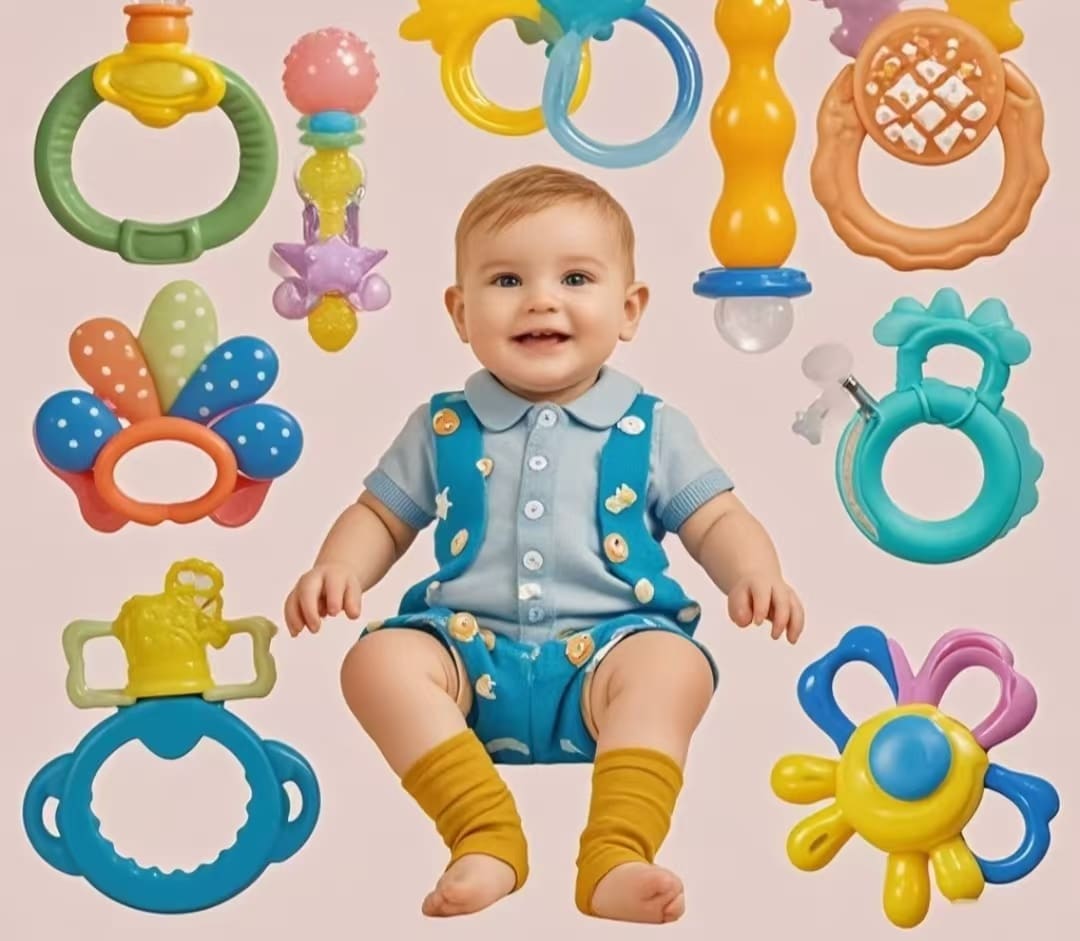
The Diversity of Silicone Toys: Stimulating Babies’ Desire to Explore
The Diversity of Silicone Toys: Stimulating Babies’ Desire to Explore During a baby’s critical growth period, sensory stimulation and exploration drive neurodevelopment. Silicone toys deliver both, in an unusually wide range of forms. This article maps the main types of silicone toys, explains why babies need them, matches them to ages and settings, and covers…
-
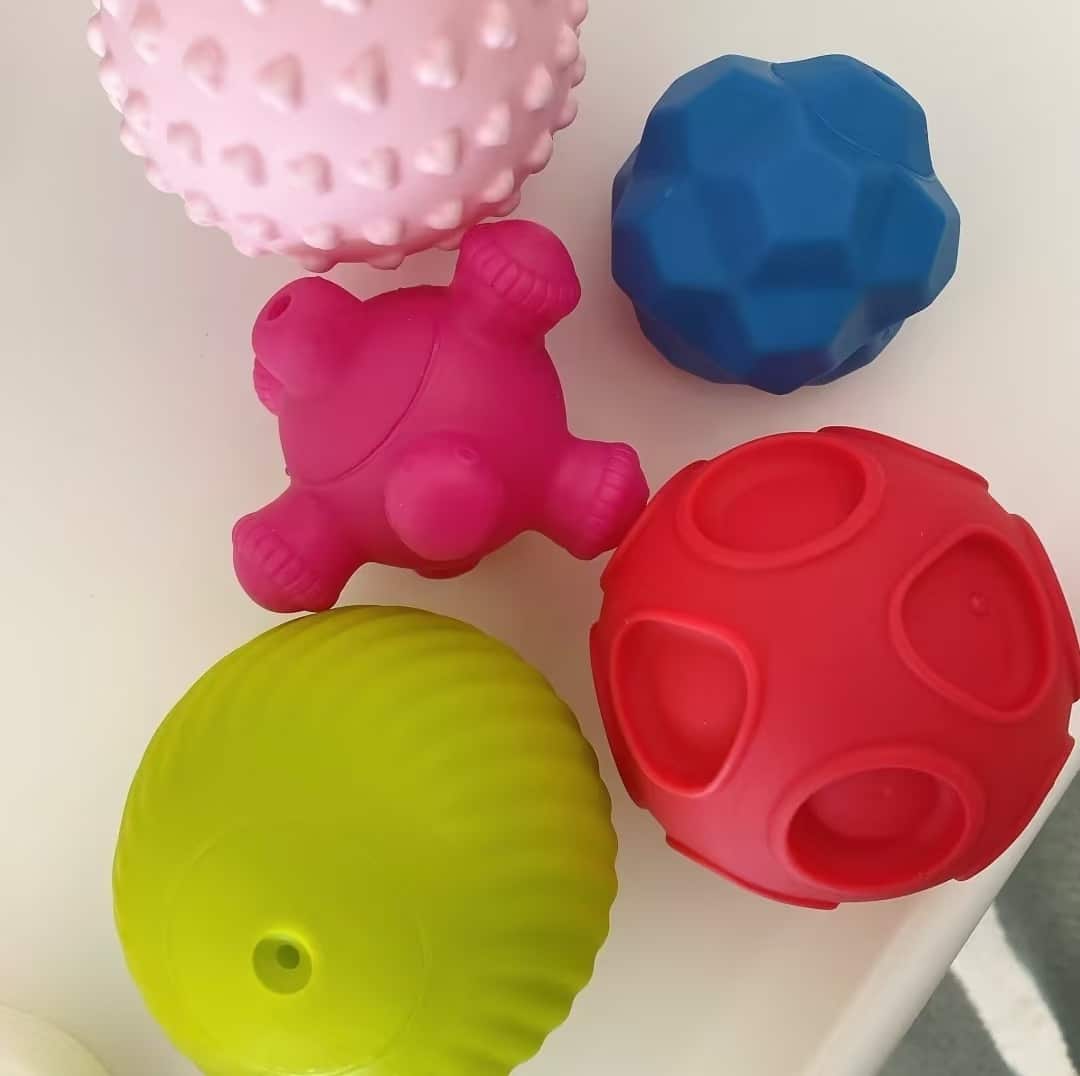
Silicone Baby Toys: Safety Standards and Cleaning Methods
Silicone Baby Toys: Safety Standards and Cleaning Methods Silicone baby toys are a first choice for many parents — but safety and hygiene determine whether they stay a good choice over time. This article covers what makes a silicone baby toy safe, who needs to pay attention and when, how quality toys are produced and…
-
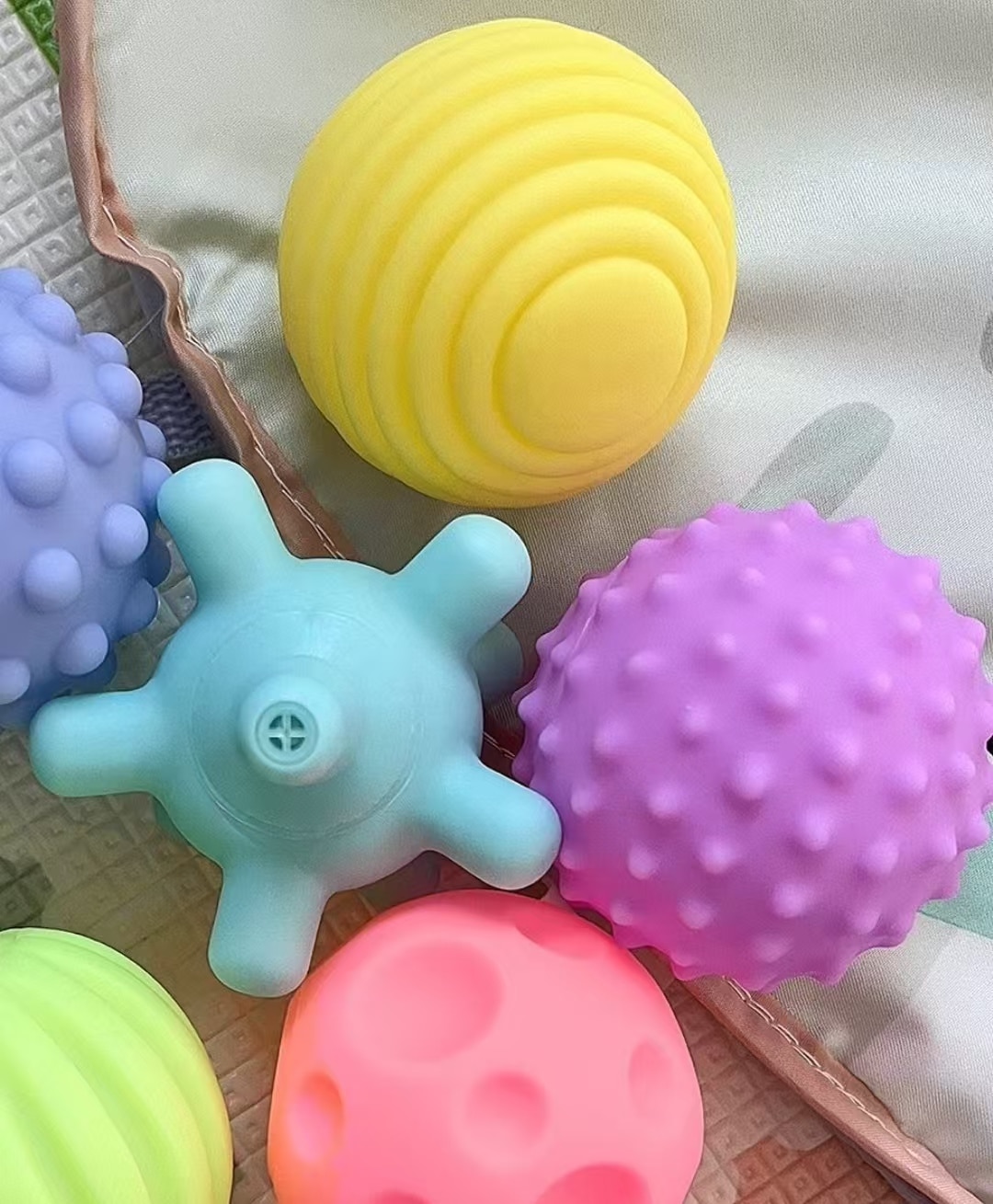
Silicone Sensory Toys: How They Support Sensory and Cognitive Development
Silicone Sensory Toys: How They Support Sensory and Cognitive Development Between 0 and 3 years, a child’s cognitive development runs through the senses: touch, sight, and hearing are the input channels for every later skill. Toys used at this stage need to be safe to chew, durable, and designed for sensory stimulation. This article looks…
-

Baby Teether Recommendation: Silicone Baby Teether
Baby Teether Recommendation: Silicone Baby Teether Teething usually starts around 4 months, and whatever a baby chews on at this stage stays in contact with saliva and gum tissue for hours every day. Material safety, structural integrity, and cleanability are therefore the three non-negotiables for a teether. Drawing on production experience with silicone baby teethers,…
-
Do I Need Both FDA and LFGB Certification to Sell Silicone Baby Products on Amazon?
Do I Need Both FDA and LFGB Certification to Sell Silicone Baby Products on Amazon? If you’re planning to sell silicone baby feeding products on Amazon, you’ve probably hit the same question we hear from brand owners and cross-border sellers every week: FDA or LFGB? U.S. buyers ask for FDA compliance; European marketplaces ask for LFGB.…


