
Anti-mold and anti-bacterial, baby bath toy for cognitive enlightenment – silicone baby bath toy
As infants and young children grow, bathing is not only a daily cleansing activity, but also an opportunity for sensory exploration and parent-child interaction. As an experienced expert in the silicone industry, I am well aware of the special requirements for material selection and production processes for baby bath toys. Traditional plastic bath toys are a potential health hazard due to their easy growth of mold. However, silicone, with its natural mildew and antibacterial properties, is becoming an ideal choice for the new generation of baby bath toys. This article mainly introduces the product characteristics and selection points of silicone baby bath toys, as well as precautions when purchasing. If you are interested in silicone baby bath toys or want to know more about them, please read this article.
What is a silicone bath toy?
Silicone bath toys are made of silicone and are soft, non-toxic, and easy to clean. They are often designed in the shapes of cute animals, such as elephants and fish, and offer fun bath time through squeezing or spraying.
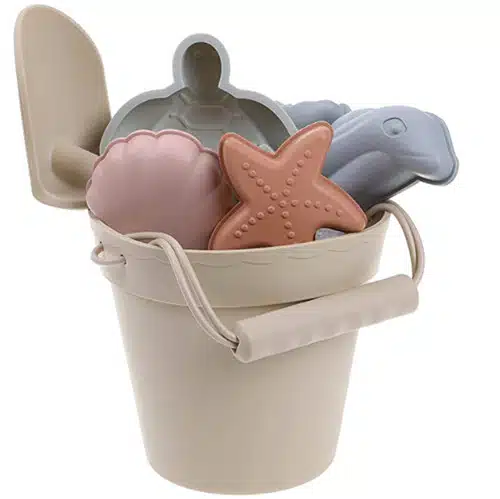

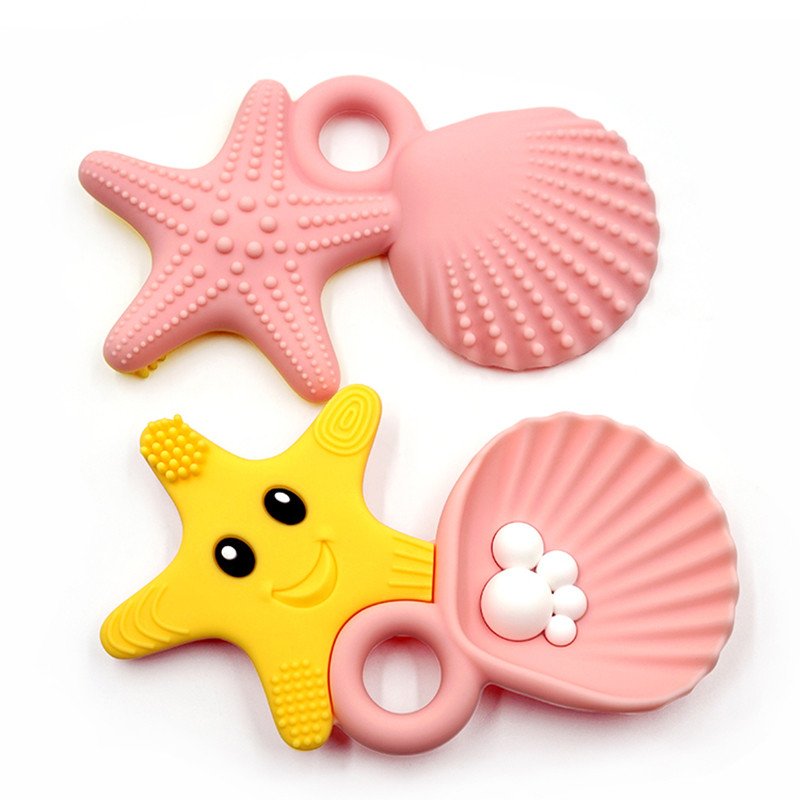


Common Types
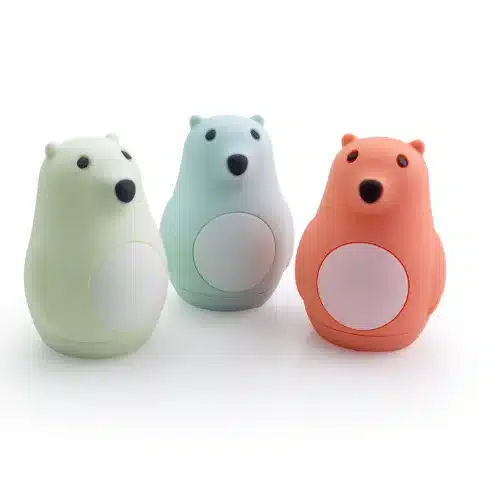
Water toys: These toys, such as rubber ducks and construction trucks, create interactive effects through squeezing or spraying.

Floating toys: designed to float on the water, making them easy for children to grab and play with.

Sound-making toys: Some styles have built-in sound-making devices to increase the fun.
Why choose silicone bath toys instead of plastic?
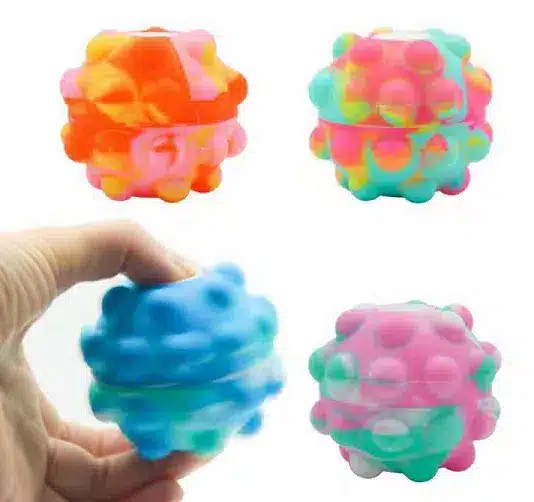
Who needs silicone bath toys?
If you would like custom silicone products, please contact JUTION.
When is it appropriate to use silicone bath toys?

- Infants and Toddlers:
- Silicone bath toys are designed for safety, non-toxicity, and easy cleaning. These toys are soft, comfortable, and gentle on baby’s skin, making them suitable for children aged 0 to 3 years old, making bathing more convenient and comfortable for parents.
- Preschoolers:
- Silicone bath toys are interactive and educational, with a comfortable grip that helps develop hand-eye coordination. Interactive games can also help babies explore perception, color recognition, and size perception.
If you need to customize a unique silicone bath toy, JUTION will provide you with the most conscientious price and the most reliable service.
What are the usage scenarios of silicone bath toys?

Daily bath time:
Add colorful, uniquely shaped toys to the water to capture baby’s attention. This makes bath time more enjoyable and relaxing, reducing crying and resistance.
Outings:
Silicone bath toys are lightweight and easy to carry. They can be hung on a stroller or placed in a bag, creating a unique experience for babies on the go.
Games and entertainment:
When dry, silicone bath toys can also function as regular early childhood toys. Babies can chew and pinch the toys to relieve teething pain and relieve boredom.
How to produce anti-mildew and antibacterial silicone bath toys?
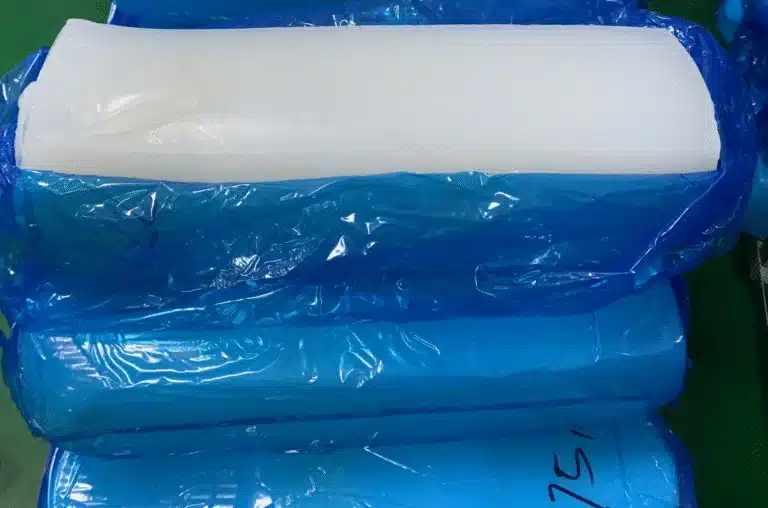
Material Selection: Made of food-grade silicone (FDA-compliant), ensuring non-toxicity and high-temperature resistance (-40°C to 200°C).
Molding: One-piece or split-type construction prevents water accumulation in corners, and the size is ideal for infants.

Production Process: Injection molding. Silicone and hardener are mixed in a ratio (typically 10:1), vacuum-degassing, and then injected into a mold. Vulcanization is performed at high temperature (around 150°C) and then demolded after cooling.
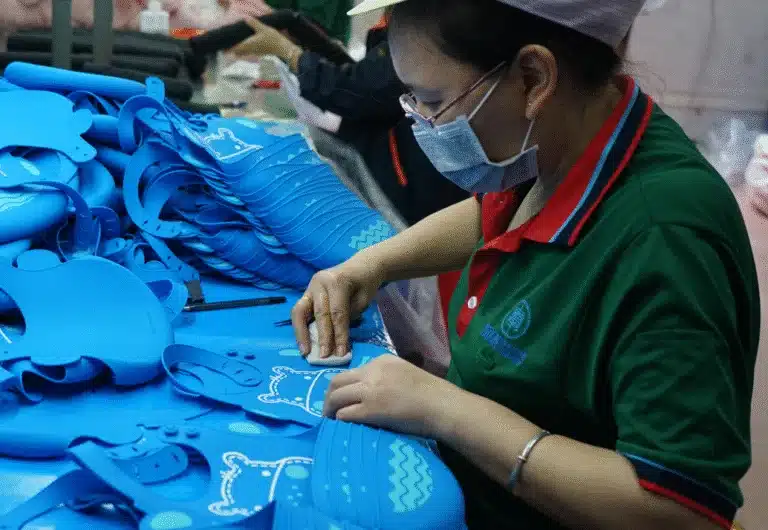
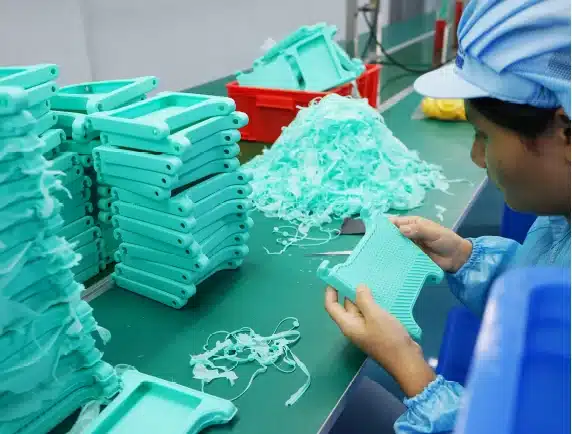
Surface Treatment: Deburring and polishing ensure a safe and smooth surface. Painting or silk-screening is performed using a non-toxic, vibrantly colored water-based paint. Antimicrobial agents and anti-slip particles are added to enhance hygiene and safety.
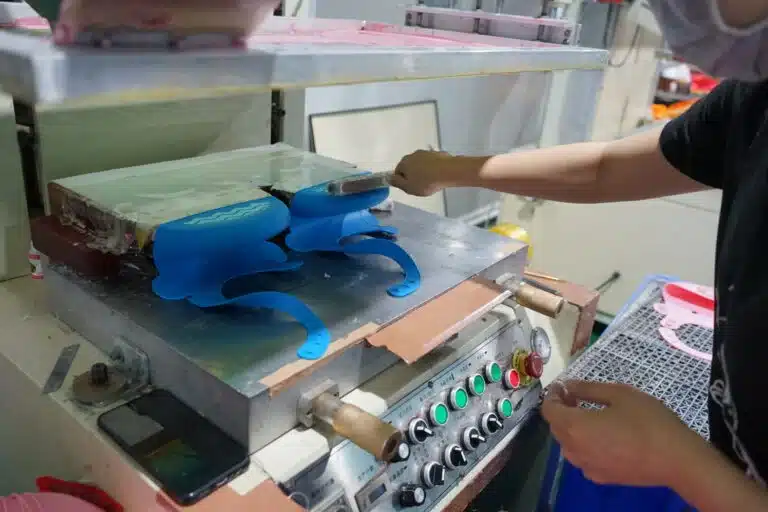
Quality inspection: Each process has a quality inspection point. The finished product must pass the chemical test for CE certification, and also test the sealing, tensile strength and drop resistance.
If you want to learn more about this, you can contact us JUTION.
How to play with silicone bath toys correctly?

- Floating and Sinking: Place the toys on the water surface and observe which ones float and which ones sink.
- Water Spraying: Place the entire silicone rubber in the water. Use your fingers to pinch the area around the spray hole to release air and absorb water. After a few squeezes, once the water is full, squeeze the toy to spray water.
- Little Cleaner: Give your baby a small silicone brush and encourage them to “bathe their toys.”
- Little Storyteller: Create simple stories using silicone toys of various shapes.
- Tactile Exploration: Provide toys with different textures, allowing your baby to touch and describe the sensations.
How to purchase the right silicone baby bath toys?
At JUTION, you will get high-quality and low-priced products and the most considerate one-stop service.
How to control the quality and safety of silicone bath toys?
Raw Materials and Production Requirements
Raw Material Selection: FDA/LFGB-certified food-grade silicone must be used to ensure it is non-toxic, heat-resistant, and easy to clean. During production, the raw material’s volatile matter content (≤0.5%) and hardness must be strictly tested.
Formula Design: Industrial-grade toys must balance durability and safety. The formula must pass tests such as tear strength (≥25 kN/m) and oil resistance (ASTM D471).
Production and Quality Control
Molding Process: Injection molding requires controlled temperature (160-180°C) and pressure (8-15 MPa) to prevent bubbles and deformation.

Post-Processing: The product must be left in a constant temperature room at 25°C for at least 24 hours to ensure molecular chain relaxation and enhance durability.
Product Inspection
Manual appearance inspection, batch sampling for antibacterial performance testing, and simulated use testing with bite and twist tests.
How to maintain and clean silicone baby bath toy?
Before each use, rinse the toy briefly with clean water to remove hair and dust. Cleaning after use is even more important. After cleaning, make sure to air-dry the toy before storing.
Daily disinfection is also important. You can use a dishwasher, boil, or steam sterilizer.
Daily Cleaning: If the toy itself is clean enough, simply rinse it with clean water before use. A mild detergent and clean water can also solve daily toy hygiene issues.
Thorough cleaning: Bring water to a boil and cook for 3-5 minutes. If you have a dishwasher with a sterilize function, you can sterilize the toys in it.

High-quality, mildew-resistant and antibacterial silicone bath toys achieve a 99.9% antibacterial rate through material modification and surface treatment, effectively preventing mold growth. However, proper cleaning, maintenance, and regular disinfection are still necessary.
Check whether the product is certified according to JIS Z 2801 or ISO 22196 antibacterial standards. Request an antibacterial performance test report from the supplier. High-quality products should have clear antibacterial rating markings.
With normal use and maintenance, high-quality, mildew-resistant and antibacterial silicone bath toys can last for 1-2 years. Regular inspections are recommended for signs of aging, such as surface stickiness, discoloration, and deformation.

Price differences primarily stem from antimicrobial technology (regular antimicrobial versus nanosilver ion), material grade (food grade versus medical grade), production process, and brand value. It’s recommended to choose mid- to high-end products to ensure antimicrobial effectiveness.
Conclusion
Silicone bath toys can be a powerful tool for getting babies to bathe well. Besides alleviating their resistance to bathing, they also help them explore their senses through play, making the often tedious process of bathing more engaging. For parents, they represent safety, health, and education; for brands and businesses, they represent a key breakthrough in the future maternal and infant market.


