
The best silicone bottle for your baby
From the perspective of a manufacturer with extensive experience in developing silicone products, the “best” silicone baby bottle is not necessarily the one with the most attractive appearance or the lowest price. Rather, it is a product that effectively meets practical feeding needs, complies with relevant safety standards, is easy to clean properly, and has been thoroughly validated.
For parents, the key considerations include whether a bottle is appropriate for their baby’s age, feeding method, and daily care routines. For brands and procurement professionals, the scope extends to material systems, nipple design, bottle structure, mold development, quality control, regulatory compliance, and supply chain stability.
It is important to note that silicone baby bottles are not inherently superior to all glass or plastic alternatives. Each material is suited to specific use cases; therefore, the final choice should be based on product design, empirical test results, manufacturer specifications, and the regulatory requirements of the target market, rather than relying solely on marketing labels.
This article mainly discusses the differences between silicone baby bottles and other baby bottles, the usage scenarios, usage time and cleaning solutions of silicone baby bottles. If you are interested in the above content, please read in depth to get more information.This article explores the topic of “The Best Silicone Bottle for Your Baby,” providing a systematic analysis of product definitions, usage scenarios, manufacturing processes, costs, selection criteria, quality control, cleaning methods, consumer preferences, common pain points, purchasing motivations, and marketing strategies—all designed to help both consumers and B2B buyers make more informed decisions.
What is a silicone baby bottle?

Silicone baby bottle is made of liquid silicone, does not contain bisphenol A, will not break, has excellent transparency, tear strength, resilience, yellow resistance, heat aging, weather resistance.
Jution Silicone & Rubber Co., LTD: Pioneering Custom silicone baby bottle for Over 16 Years. As a professional manufacturer in designing and manufacturing silicone baby bottle in China for over 16 years’ experience. Our team is experienced in working with baby products brands/wholesale/retail/ corporate gifts company offer silicone baby bottle OEM/ODM service from sketch to contract Manufacturing to meet the unique needs of each silicone baby bottle project.
Why is a silicone bottle suitable for your baby compared to other types of bottles?
Glass bottle: Glass bottle material safety, long service life, but it should be noted that the glass bottle is not strong enough, fragile, if accidentally dropped or hit, it is likely to break. This may not only hurt the baby, but also need to clean up the debris in time to avoid accidents.
Compared with plastic and silicone bottles, glass bottles are heavier and lighter, which can cause inconvenience to babies and parents, especially when carrying and feeding.


Plastic baby bottles that are not easy to clean
Plastic bottle: A big advantage of plastic bottle is the light material, suitable for going out and feeding the baby himself. However, the disadvantage of plastic baby bottle is that they are easily stained with milk dirt and are not easy to wash off. In addition, plastic baby bottle always have a fatal weakness, that is the heat resistance is not enough, may emit the harmful substance bisphenol A, endangering the health of the baby.
Silicone bottle: Silicone bottle is soft and thin, similar to human skin, which helps the baby’s emotional stability and emotional intelligence development, it is not easy to deform under high temperature disinfection, can maintain its shape for a long time, and will not emit plastic or rubber odor due to long-term storage.
Silicone also has good elasticity and durability, even if it is used for a long time, it can maintain good performance, and it is light weight, easy to carry, and suitable for family use that often goes out.

How To Find The Right Silicone Bottle Flow For Your Baby
How much does the cost of silicone, plastic and glass bottles cost
Glass baby bottles are relatively expensive to manufacture because they require the use of high-quality glass materials.
Plastic baby bottles cost less than glass bottles, but the price depends on the brand and materials.
Silicone bottles is a more modern choice, with tasteless, non-toxic, high softness and safety characteristics, suitable for newborns and infants, silicone bottle prices are also located in the middle and high-end, but the specific price varies according to the brand and design.
Who is suitable for using silicone baby bottles?
Silicone bottles are suitable for babies of all ages, it is safe and non-toxic, soft and easy to use, suitable for newborns and babies of different ages.
The material of the silicone baby bottle is safe and non-toxic, will not release harmful substances, and is conducive to the health of the baby. In addition, the silicone bottle is soft, and the baby can easily grasp it, which is convenient for him to drink milk with the bottle.

Where can I use silicone baby bottles?
Daily use at home: Silicone baby bottles are very suitable for daily use at home because of their soft, safe and easy to clean characteristics. They can provide a comfortable feeding experience and are especially suitable for newborns and infants.
Outdoor use: The lightweight and fall-proof properties of silicone baby bottles make them ideal for outdoor use. Parents can easily put milk into the bottle, carry it with them, it is not easy to leak, and the baby can also replenish water anytime and anywhere.
Weaning aid: The nipple design of the silicone bottle mimics the touch of breast milk to help the baby adapt more easily to bottle feeding during the weaning process and reduce resistance to the bottle.
Learn to drink water: It can also help the baby gradually master the skills and ability to drink water, exercise hand-eye coordination and oral muscles.

When is the best time to use a silicone baby bottle?
0-4 months: This level is suitable for silicone bottles that mimic breast milk pacifiers, and you can choose a pacifier size suitable for the baby’s age.
More than 4 months: with the growth and development of the baby, the amount of milk to drink increases, you can choose a duck-shaped silicone bottle, which is not easy to splash and has a moderate flow.
Over 6 months: the baby begins to learn to eat independently, and can choose to learn to drink the cup, which can help the baby transition to the water cup, while training the baby’s swallowing ability and hand-eye coordination.
How to clean silicone baby bottle
The bottle plays an important role in the development of the baby. If the bottle is not thoroughly cleaned in time after each use, it is a great threat to the baby whose immune function is not yet complete. Let’s take a look at the correct cleaning and disinfection method
Cleaning steps- First, pour out the remaining milk in the bottle to ensure that the bottle is dry; Then disassemble the bottle, pacifier and all parts, wash with water; Pour the special detergent into the bottle, and carefully clean the bottle, bottle thread and pacifier with a bottle brush to ensure that the detergent is in full contact with all parts to completely remove milk stains; Finally, rinse thoroughly with water and disinfect safely.


Disinfection method
Boiling water – Disassemble all parts of the clean bottle, put it into the bottle disinfection pot, cover it with cold water, do not cover the bottle, and finally heat it until the water boils, about 5-10 minutes later, remove the sterilized bottle and drain the water.
Steam disinfection method – Put the clean baby bottle accessories into the steam pot, after the disinfection is completed, the steam pot can not only automatically cut off the power, but also keep dry.
Uv disinfection – Placing clean bottle accessories in the UV disinfection cabinet is also a simple process. Because the general ultraviolet disinfection cabinet has a drying effect, and can automatically cut off the power supply, so Bao Ma does not have to worry too much.
Conclusion
In general, the choice of bottle is a problem that cannot be ignored, only the choice of the right bottle is more conducive to the baby’s feeding. Compared with glass bottles that are not easy to break and plastic bottles that are not easy to clean, silicone bottles are undoubtedly the best choice for your precious mothers. When buying a silicone bottle, the baby’s age habits and the safety of the bottle are also factors that need to be considered.
Jution silicone’s services working steps include silicone baby bottle initial concept development, silicone baby bottle 3D design and engineering, prototype and mold development, silicone baby bottle contract mass production with silicone molding, silicone baby bottle Logo branded, silicone baby bottle QC and Package and fulfillment.
In Jution silicone, you can custom silicone baby bottle function, material, structure, shape, sizes, color, logo and package.
Jution silicone support our partner’s silicone baby products brand to be the baby and parents preferred brand. Contact Jution to create your silicone baby bottle brand.
FAQ:
Q1: Are silicone baby bottles necessarily better than glass ones?
Not necessarily. Silicone bottles may be suitable for those who prefer a soft-touch feel or a specific bottle design, while glass bottles offer high transparency, making it easy to monitor the liquid level. The choice between them should be based on your specific needs, the product’s construction, cleaning requirements, and verified product performance.
Q2: Can silicone baby bottles be used from birth?
Whether a bottle is suitable for a newborn depends on the product’s recommended age range, the flow rate of the nipple, the feeding design, and the manufacturer’s instructions—you cannot determine suitability based on the material alone. For premature infants, babies with special feeding needs, or those with other health concerns, please consult a pediatrician or a feeding specialist.
Q3: Are silicone baby bottles guaranteed to be BPA-free?
Silicone is a different material from the substances associated with BPA (which is typically linked to certain plastics or resin systems). However, since a baby bottle may consist of various components—such as caps, valves, and retaining rings—made from different materials, you should verify the composition of the entire product rather than relying solely on the material of the bottle body.
Q4: Can silicone baby bottles be sterilized by boiling?
Not necessarily. You should check the manufacturer’s cleaning and sterilization instructions to confirm whether every part—including the bottle, nipple, cap, and seals—is safe for boiling. Even if a sterilization method aligns with CDC guidelines, it does not mean that every specific product is designed to withstand that method.
Q5: Are silicone baby bottles dishwasher-safe?
Only if the product is explicitly labeled as dishwasher-safe and all individual components meet the necessary requirements. Certain parts, such as nipples, caps, or seals, may have different temperature or cleaning limitations.
Q6: Why might a silicone baby bottle have an odor?
An odor could stem from the raw materials, the manufacturing process, post-processing, packaging, or storage. If you notice an unusual smell, do not simply scald the bottle with boiling water and continue using it; instead, stop using it and contact the manufacturer for clarification. The presence or intensity of an odor is not, by itself, an indicator of whether the material is safe or unsafe.
Q7: Are silicone baby bottles prone to leaking?
It is not possible to make a blanket statement; it varies by product. Leakage may originate from the nipple, cap, retaining ring, or other connection points, and can also be related to how the product is assembled. Consumers should ensure proper assembly according to the instructions, while manufacturers should conduct appropriate seal testing on the finished product.
Q8: How often should silicone baby bottles be replaced?
There is no universal replacement schedule that applies to all silicone baby bottles. Users should follow the manufacturer’s replacement guidelines and regularly inspect the bottle body, nipple, seals, and other components. If any tears, cracks, unusual stickiness, deformation, or seal failures are observed, the product should be taken out of use and replaced in accordance with the manufacturer’s instructions.
Q9: Do silicone baby bottles sold in the U.S. market require FDA certification?
It is not accurate to state that all silicone baby bottles require a single, uniform “FDA certification.” Specific requirements must be determined based on the product’s intended use, the materials it comes into contact with, and applicable U.S. regulations. FDA guidance regarding food-contact substances—specifically those that come into contact with infant formula or human milk—serves as an essential reference for manufacturers conducting compliance assessments.
Q10: Are silicone baby bottles suitable for use in a microwave oven?
One should not assume they are suitable; always follow the manufacturer’s instructions regarding heating. In particular, microwaves should not be used to heat the milk itself, as this can lead to localized overheating. The FDA also advises against using microwaves to heat infant formula.
Q11: Can silicone baby bottles be used for a long period?
The actual service life depends on factors such as the materials used, product design, frequency of use, cleaning methods, and maintenance. The fact that silicone is a durable material does not mean the product can be used indefinitely. Brands should provide clear guidelines for product inspection and replacement.
Q12: What is the MOQ for custom silicone baby bottles?
The MOQ (Minimum Order Quantity) depends on the factory’s molding processes, tooling strategy, number of colors, accessory configurations, packaging requirements, and testing protocols. For custom projects, it is advisable to request a comprehensive breakdown—including prototyping costs, tooling fees, unit prices for mass production, and tiered pricing based on different order quantities—rather than focusing solely on a fixed MOQ.
Q13: Can silicone baby bottles be bundled with other silicone feeding products to create a set?
Yes, this is a viable product development strategy; for example, they could be paired with bibs, tableware, or other feeding accessories to form a cohesive product line. However, every product must meet the requirements specific to its own intended use and safety standards; the fact that products belong to the same brand or utilize similar materials does not mean that the same testing and cleaning methods are applicable to all their components.
Related Blog
-
The difference between silicone and rubber
The difference between silicone and rubber What is silicone? silicone is a kind of highly active adsorption material, belonging to the amorphous substance, insoluble in water and any solvent, non-toxic and tasteless, chemically stable, and does not react with any substance except strong alkali and hydrofluoric acid. Due to its chemical composition and physical structure,…
-
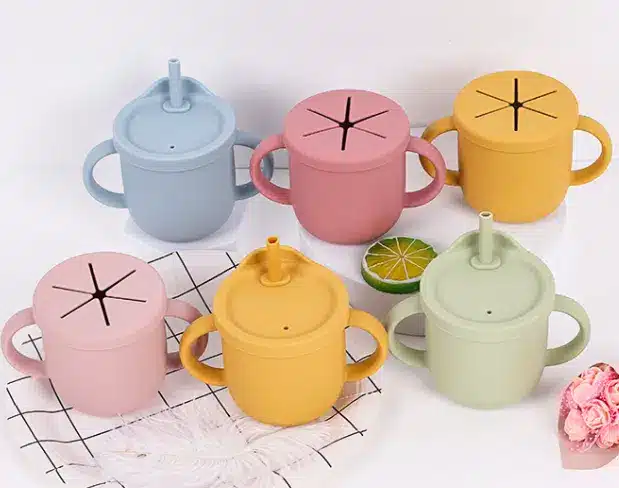
The baby’s first water cup Recommended
The baby’s first water cup Recommended Over the years, I have witnessed how silicone materials have reshaped the landscape of maternal and infant products with their unparalleled safety and functionality. The “first water cup” is an important tool for babies to transition from breast milk or bottles to independent drinking. At this time, our top…
-
Silicone vs. Plastic Why are silicone baby products more recommended
Silicone vs. Plastic Why are silicone baby products more recommended As a professional with many years of experience in the silicone material field, I’ve witnessed how silicone, with its unparalleled safety and functionality, has reshaped the landscape of maternal and infant products. In this age of information overload, the sheer variety of baby products available…
-
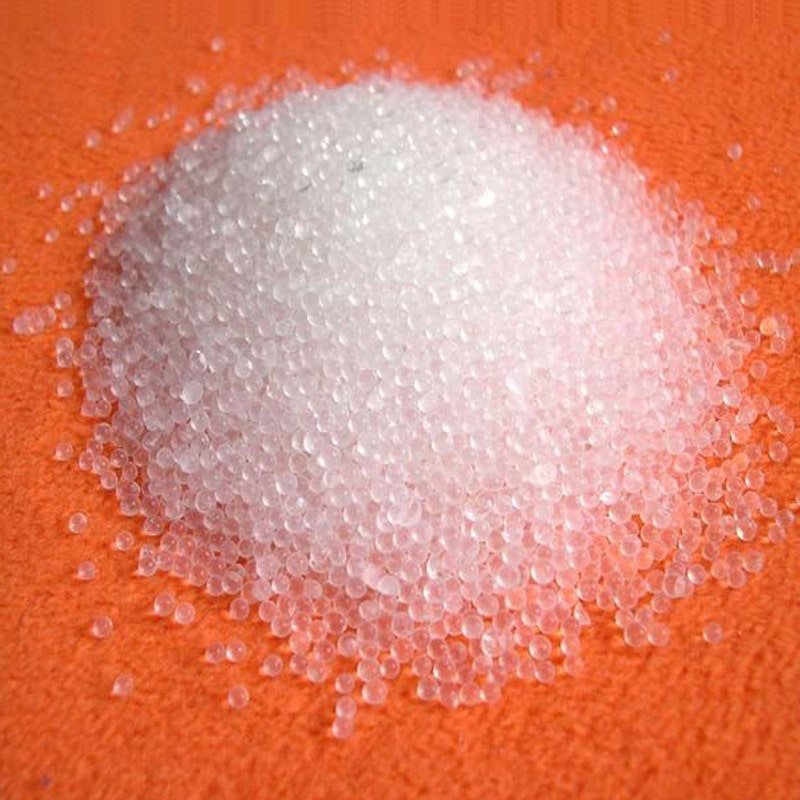
Silicone vs Silica vs Silicon
Silicone vs Silica vs Silicon Silicone is a highly active adsorption material, belongs to the amorphous substance, the main component is silicone dioxide, chemical stability, does not burn. silicone is insoluble in water and any solvent, non-toxic and tasteless, chemically stable, and does not react with any substance except strong alkali and hydrofluoric acid.…
-
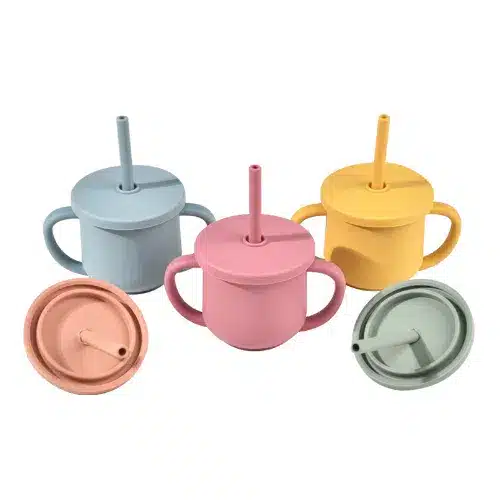
Silicone Training Cup, Anti-Leakage And Anti-Choking Measures!Your Baby Deserves To Have This!
Silicone training cup, Anti-leakage and anti-choking measures!Your baby deserves to have this! Over the years, I have witnessed how silicone materials have reshaped the landscape of maternal and infant products with their unparalleled safety and functionality. The transition of babies from bottles to cups is an important part of their growth process. At this time,…
-
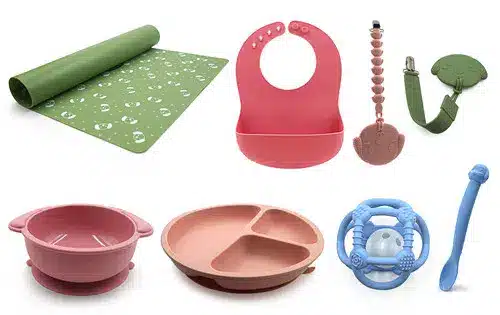
Silicone placemat and bib set, helping to cultivate your baby’s dining habits
Silicone placemat and bib set, helping to cultivate your baby’s dining habits As a silicone industry expert, I’ve witnessed how silicone materials have revolutionized the infant and toddler products market from an industrial perspective. Silicone placemat and bib sets are more than just simple dining tools; they’re scientific teaching aids that foster healthy eating habits…
-
Silicone and Polycarbonate
Silicone and Polycarbonate What is silicone? Silicone is a kind of highly active adsorption material, belonging to the amorphous substance, insoluble in water and any solvent, non-toxic and tasteless, its main component is silicone dioxide chemical stability, in addition to strong alkali, hydrofluoric acid does not react with any substance. Silicone has the characteristics of…
-
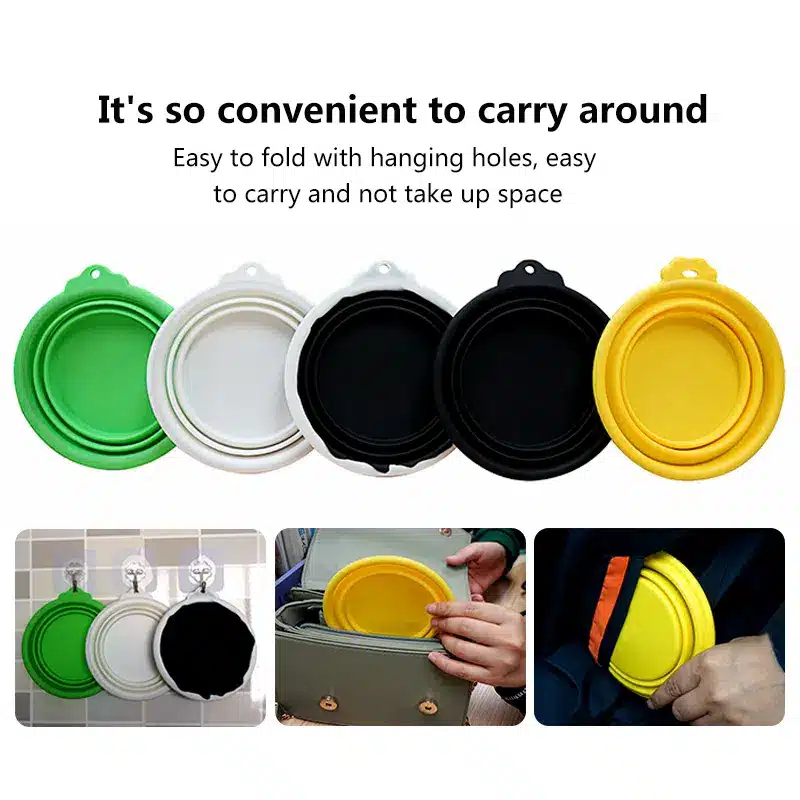
Foldable silicone trio set – Bowl + Cup + Spoon – Portable for easy carry around
Foldable silicone trio set – Bowl + Cup + Spoon – Portable for easy carry around As a professional who has been deeply engaged in the field of silicone materials for many years, I have witnessed how silicone materials have reshaped the landscape of maternal and infant products with their unparalleled safety and functionality. As…


