
Amazing! Silicone sensory toys – these help babies become smarter with every play session
In recent years, silicone has expanded from industrial use to high-end applications such as maternity and healthcare. Silicone sensory toys are becoming a popular choice among new parents and early childhood education institutions. They are not only soft-looking and brightly colored, but also crucial tools for promoting sensory development and cognitive development in infants and young children. This article, combining my personal industry experience with customer feedback, maternity forums, and social media data, will comprehensively analyze silicone sensory toys from the perspectives of materials, design, and purchasing decisions. This will help parents and companies understand and choose these products. If you are interested in silicone sensory toys or would like to learn more about them, please read this article.
What are silicone sensory toys?
Silicone sensory integration toys are made of silicone and designed specifically for children’s sensory integration training.
These toys are designed to stimulate children’s senses, including touch, vision, and hearing, through different shapes, textures, and colors.
This helps children better integrate their senses—the coordination between the brain and body—to achieve adaptive responses to the external environment.


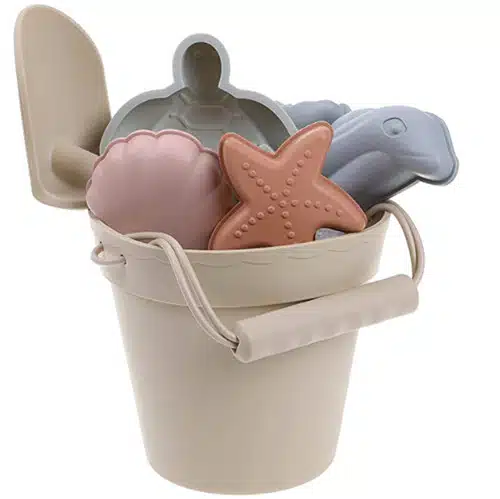

Sensory stimulation

(1) Tactile training: (Pinch toys, silicone soft building blocks, etc.)
The surface design has different textures, and pinching exercises can develop hand muscles and stimulate the nerves in the hands and feet.
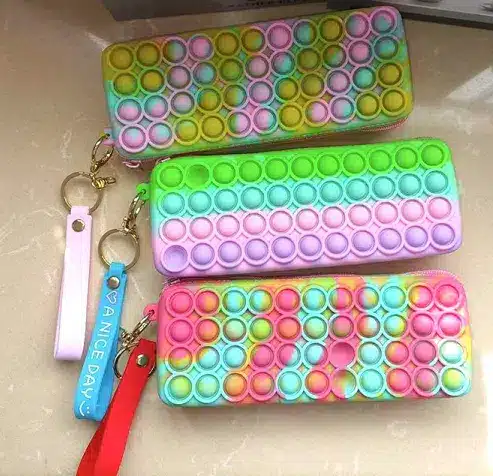
(2) Auditory stimulation: (rattles, button-sounding toys, etc.)
When your baby presses a button or shakes a toy, it makes a sound, satisfying their chewing urges while also stimulating their hearing.
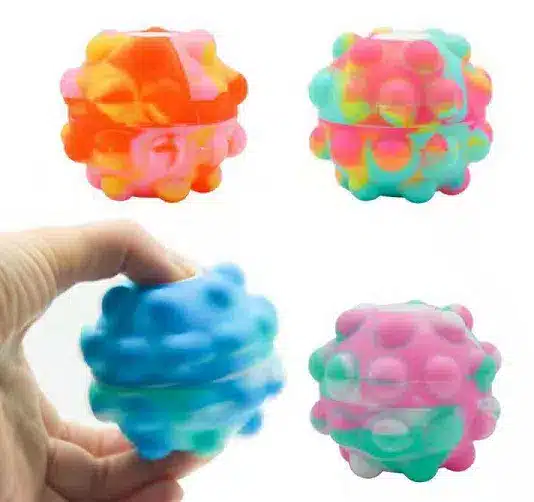
(3) Visual Tracking: (Silicone spinning tops, visual perception balls, etc.)
Bright colors stimulate your baby’s visual development and train their eye flexibility and concentration.
Different functional morphology
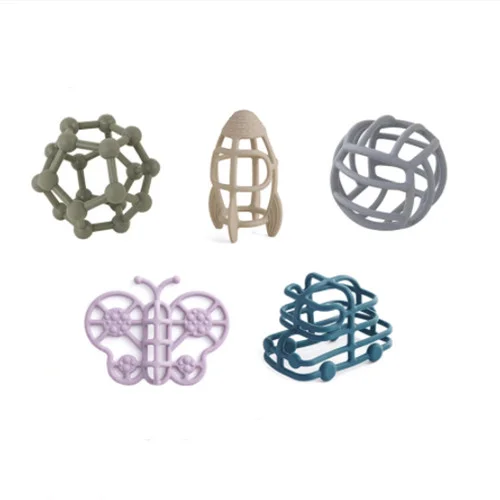
(1) Basic Training Toys (Soft Blocks, Rattles, Teethers)
Manipulative toys that develop hand strength through grasping and squeezing; oral massage toys that can be chewed to relieve teething pain.

(2) Multi-functional toys (such as silicone button pads and silicone ring towers)
One toy offers multiple functions, fostering multi-sensory development.
(3) Situational interactive toys (such as silicone bath toys and silicone fruit slicers)
Demonstrate and train daily life experiences through concrete actions.
If you want to customize silicone sensory toys with unique functions and cute shapes, you can contact us JUTION.
Why silicone sensory toys can promote intellectual development?
Neural pathway building:
The bright colors and textures of silicone toys can stimulate the connection between visual and tactile neurons, helping infants and young children build more efficient neural pathways.
Studies have shown that babies who use sensory toys have a 23% higher density of brain neural connections than ordinary babies at 12 months of age.

Cognitive Skill Development: The dynamic nature of silicone toys (such as disassembly and assembly, and squeezing to produce sounds) strengthens the synergy between the temporal auditory cortex and the frontal lobe’s executive functions. For example, silicone sensory toys that produce sounds when squeezed can improve infants’ understanding of cause and effect, a training that is directly linked to future problem-solving abilities.
Promoting Attention Development: The progressive visual stimulation of silicone toys can extend infants’ attention spans. Expert research shows that visual tracking training can increase the duration of attention span of three-month-old infants by 2-3 times.
Customer feedback after purchasing sensory integration toys from JUTION a few months ago showed that babies’ attention and exploration abilities were significantly improved after using silicone toys.
Who cares about silicone sensory toys?

If you need to customize high-quality silicone sensory toys, please contact JUTION.
When to use silicone sensory toys?
- Babies aged 0-3: These are in the early stages of sensory development, perfecting their physiological functions and developing basic abilities in multiple areas. Providing a variety of silicone sensory toys can help foster sensory development through play.
- Babies aged 3-6: This age group experiences a period of rapid sensory development. Naturally incorporating training through fun activities can promote fine motor and gross motor development, and even enhance social skills.
Where are silicone sensory toys used?
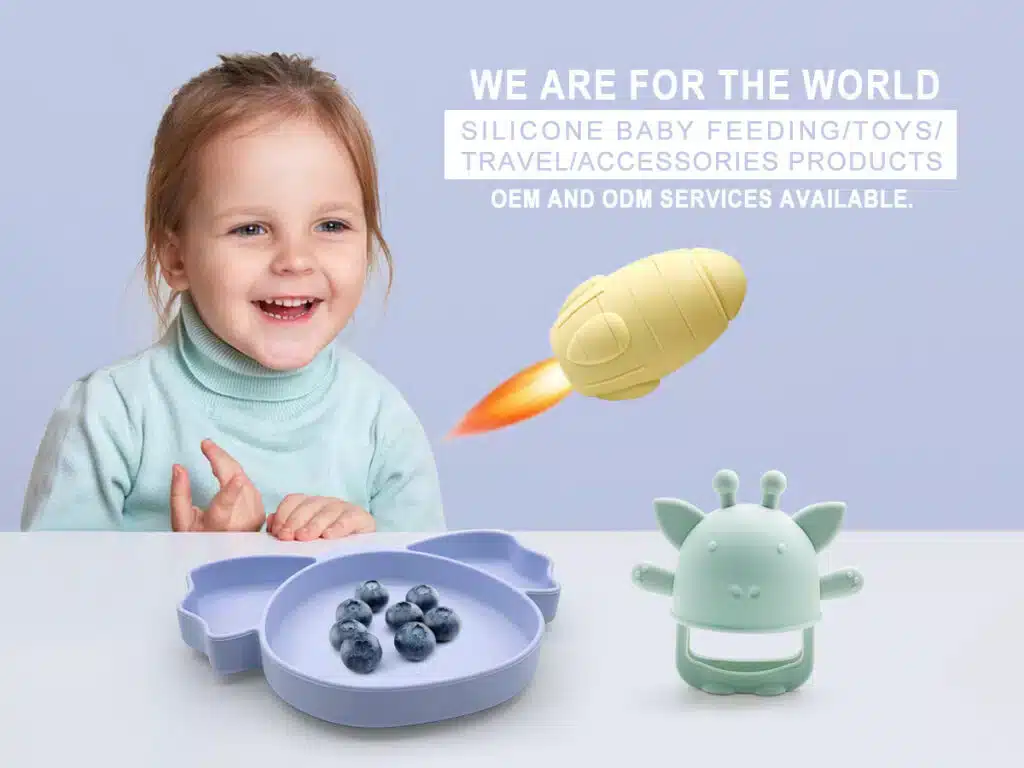
How to produce silicone sensory toys?
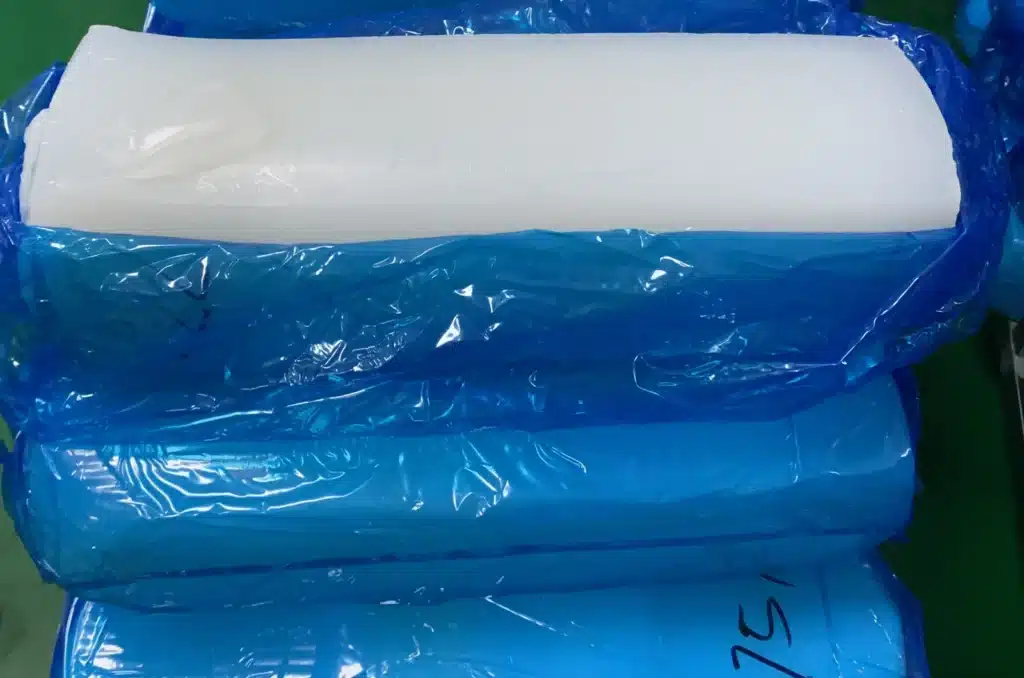
Raw material selection:
Silicone-grade TPE material must be used.
Adjust the barrel temperature (160-220°C) and injection pressure (50-100 bar) according to the product hardness requirements.
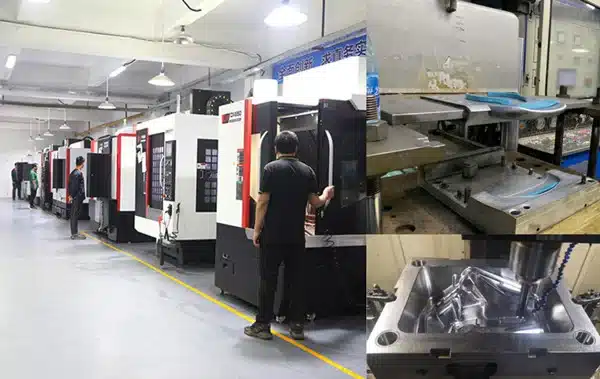
Mold Design:
Design multi-dimensional molds based on product functions and sensory requirements to ensure the molding accuracy of complex structures, and use low-temperature molds (30-50°C) to shorten the molding cycle (10-30 seconds/mold)
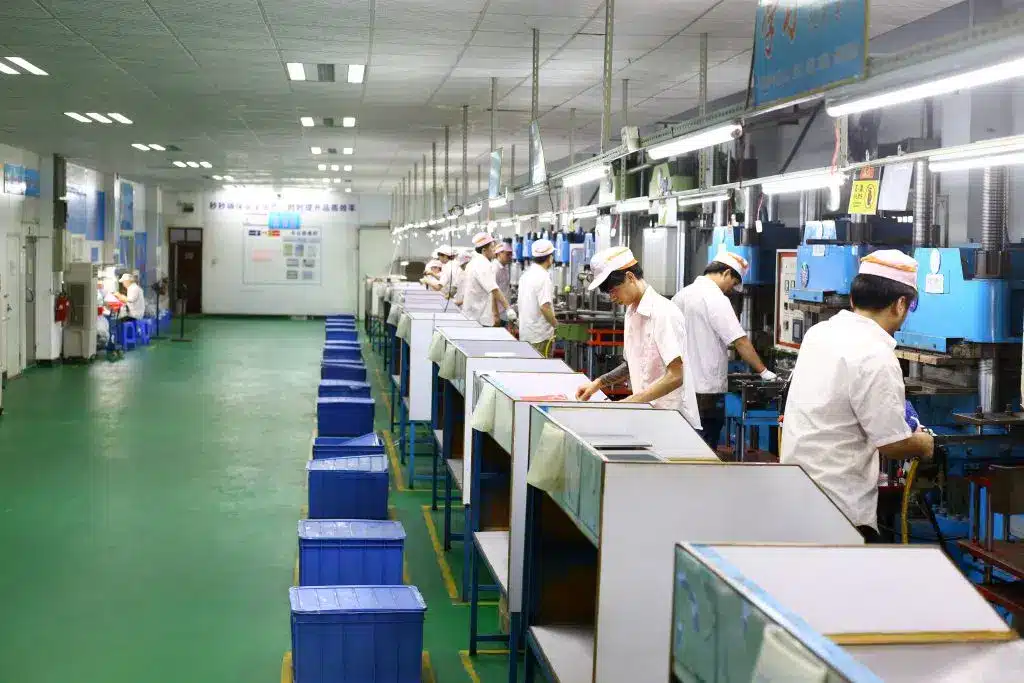
Injection molding:
Liquid silicone injection molding is often used.
The molten material is injected into the mold and then quickly cooled and solidified, which can achieve one-piece molding of multi-color and multi-hardness composite structures.

Surface Treatment:
After molding, the product is deburred and polished to ensure no sharp edges.
Quality Control and Safety:
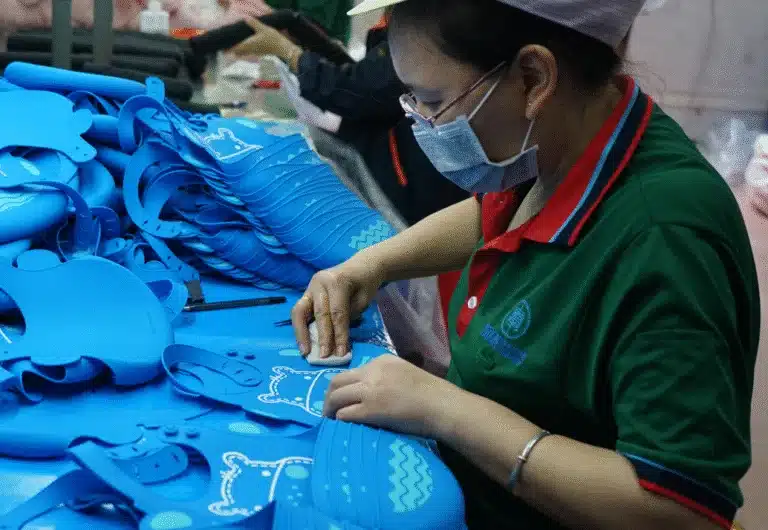
After production, rigorous testing is performed, including heat resistance, tensile strength, bite strength, and chemical safety, to ensure the product is suitable for normal use.
If you would like to know more information, please contact us at JUTION.
How to choose the right silicone sensory toys?
- Safety: When purchasing, pay attention to product information and safety certification. Avoid toys that pose safety risks.
- Practicality: Different types of silicone sensory toys have different effects. Avoid overly complex or unpractical toys. Choose based on your baby’s actual developmental progress.
- Details: Avoid toys with harsh sounds or bright flashes, as these may damage your baby’s hearing and vision; avoid toys that are too heavy and difficult to grasp.

How to control the quality and safety of silicone sensory toys?
Raw Material Quality Control
Supplier Audit: Select ISO-certified silicone raw material suppliers.
Incoming Inspection: Each batch of raw materials is tested for indicators such as volatile matter (≤0.5%), hardness deviation (±2 Shore A), and Mooney viscosity (40-60 MU) to ensure the absence of impurities and uneven particle size.
Storage Management: Warehouses must be dry and light-proof, and a first-in-first-out (FIFO) principle must be implemented to minimize performance degradation caused by prolonged storage.
Production Process Control
Formula Design: Formulas are designed based on toy functional requirements, with precise control of the masterbatch and additive ratios (error ≤ 0.3%) to ensure uniform and stable molecular chains.
Molding Process: Injection molding requires precise control of temperature (±2°C), pressure (8-15 MPa), and time (t90 + 10%) to avoid bubbles and deformation.
Vulcanization: A PLC system monitors vulcanization temperature and time. Medical-grade toys require a step-by-step temperature increase (120°C x 1 hour → 150°C x 2 hours) to ensure cross-linking meets standards.
Finished Product Safety Testing
Physical Performance Testing: Tests hardness, tensile strength (≥25 kN/m), tear strength, and other indicators to ensure durability.
Chemical and Biocompatibility: Medical-grade toys must pass ISO 10993 biocompatibility testing, while food-grade toys must comply with FDA standards.
Third-Party Testing: Submits products to a reputable testing agency to ensure compliance.
How to clean and maintain the silicone sensory toys?
- Cleaning: Soak in warm water and neutral detergent for 10 minutes. Clean crevices with a soft brush and rinse thoroughly with clean water.
- Disinfection: Wipe with a diluted infant disinfectant solution. Let sit for 10 minutes, then rinse with clean water or boil in boiling water for 1-2 minutes.
- Drying: Allow to air dry thoroughly to avoid moisture that can breed mold. Avoid exposure to direct sunlight or prolonged exposure to strong sunlight.

Conclusion
In the early childhood stage, the development of the baby’s cognitive ability is based on sensation and movement. Through games and hands-on operations, the baby’s sensory integration abilities are constantly being accumulated, improved, and perfected. Choose some silicone sensory integration toys that are suitable for your baby. After all, toys are children’s companions, and games are their main way of learning.


