silicone baby spoon and feeding bowl set- the ideal choice for new mothers when feeding their babies
As a senior practitioner who has been deeply involved in the silicone industry for many years, I know that choosing feeding tools for your baby is not just a simple shopping behavior, but also an important decision related to health and safety. During the baby’s growth, feeding is not only related to nutritional intake, but also affects oral development and the formation of eating habits. Today, I will give you an in-depth analysis from a professional perspective on why the silicone baby soft spoon and feeding bowl set has become an ideal choice for modern mothers. This article mainly introduces the definition and target users of the silicone baby soft spoon and feeding bowl set, the reasons why infants and young children need it and the applicable scenarios, as well as precautions and cleaning and maintenance methods when purchasing.
If you are interested in the silicone baby soft spoon and feeding bowl set or want to know more about it, please read this article.
What is the silicone baby soft spoon and feeding bowl set?
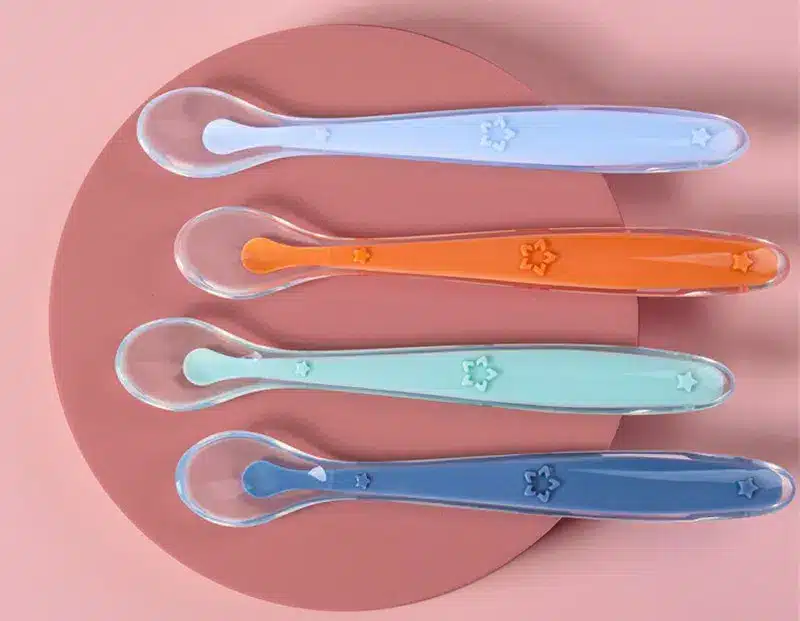
Silicone is a highly active adsorption material that is insoluble in water and any solvents. It is non-toxic and odorless, has stable chemical properties, and does not react with any substance except strong alkali and hydrofluoric acid. Silicone soft spoons are made of materials such as silicone and are mainly used for infants and young children to eat complementary foods and drink water; silicone complementary food bowls are made of silicone, which is non-toxic and odorless, high temperature resistant, slows down the loss of food temperature, and is soft, so there is no need to worry about hurting the baby. The silicone baby soft spoon and feeding bowl set is specially designed for infants and young children, integrating safe feeding, temperature sensing, gum protection, convenient disinfection and other functions.


Why are silicone baby soft spoon and feeding bowl set necessary?
Compared with plastic and ceramic tableware, silicone tableware feels comfortable, is resistant to falling and high temperature. Whether the food is hot or cold, it can protect the temperature of the food itself and reduce temperature changes and loss. When using it, there is no need to worry about the hands of the feeder being burned.

If you want to know more about silicone products, please contact us JUTION.
Who are the target users of the silicone baby soft spoon and feeding bowl set?
When is the right time to use the Silicone Baby Spoon and Bowl Set?
Feeding: When adding complementary foods to your baby, you need to control the amount of food you eat. The capacity of the silicone spoon is one-third smaller than that of an ordinary spoon, which just matches the cherry-sized stomach capacity of your baby. In addition, the silicone tableware can protect the temperature of the food itself, so you don’t have to worry about the food getting cold during the “feeding battle” with your baby.

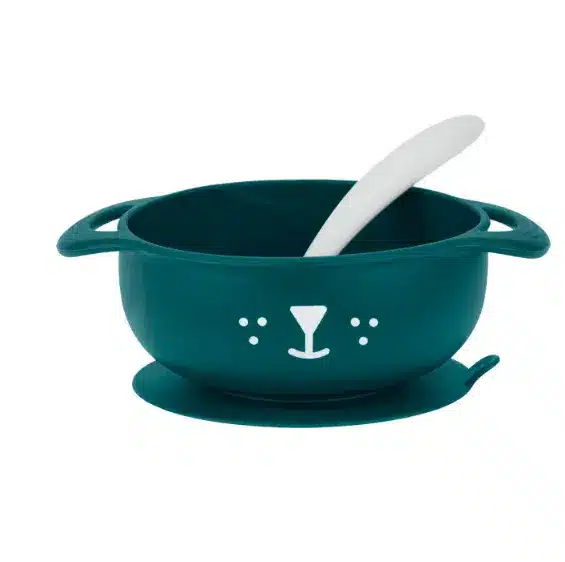
Self-eating: When babies learn to use tableware by themselves, they will not easily drop the silicone tableware when they hold it, which reduces food waste and tableware damage, and helps babies develop the ability to eat independently.
Where should I use the Silicone Baby Spoon and Bowl Set?
Home Feeding:
As your baby begins to learn to feed themselves, you might worry about the utensils slipping or breaking. Silicone bowls and spoons are resistant to drops and bites, offer excellent stability, and are gentle on the skin, making them a great mealtime companion.
Travel:
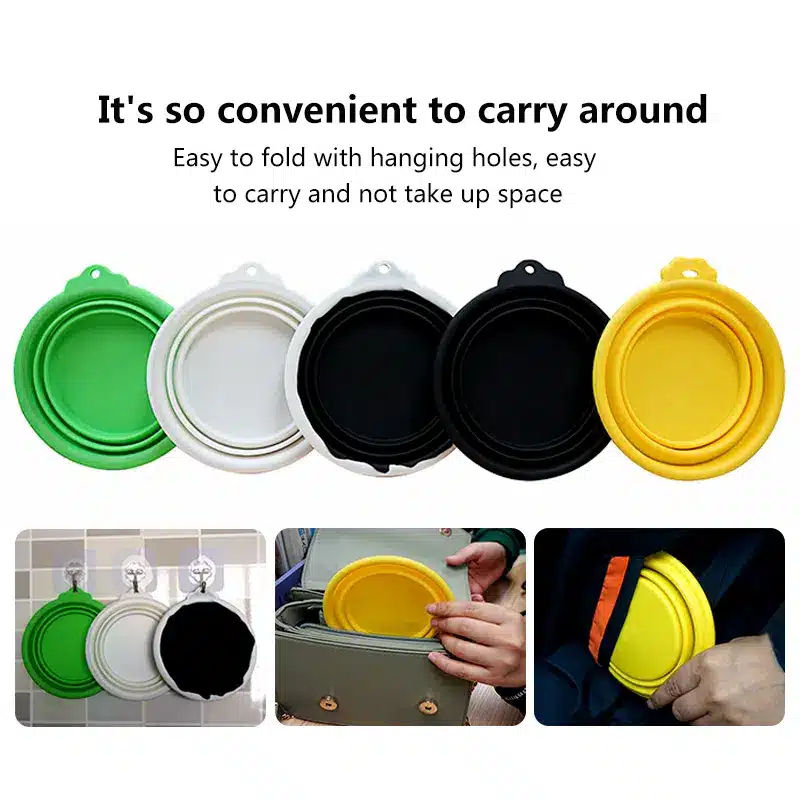
The silicone bowl and spoon set is compact and lightweight, making it easy to store and carry. You can carry it in your carry-on bag and use it wherever you go.

Early childhood education institutions:
Compared with tableware made of plastic, ceramic and other materials, silicone tableware is soft, durable, bite-resistant and easy to clean, and is suitable for babies who are eating independently.

If you need large quantities of customized silicone products, please contact us JUTION. We will provide you with professional one-stop service.
How to produce silicone baby soft spoon and feeding bowl set?
Material Selection
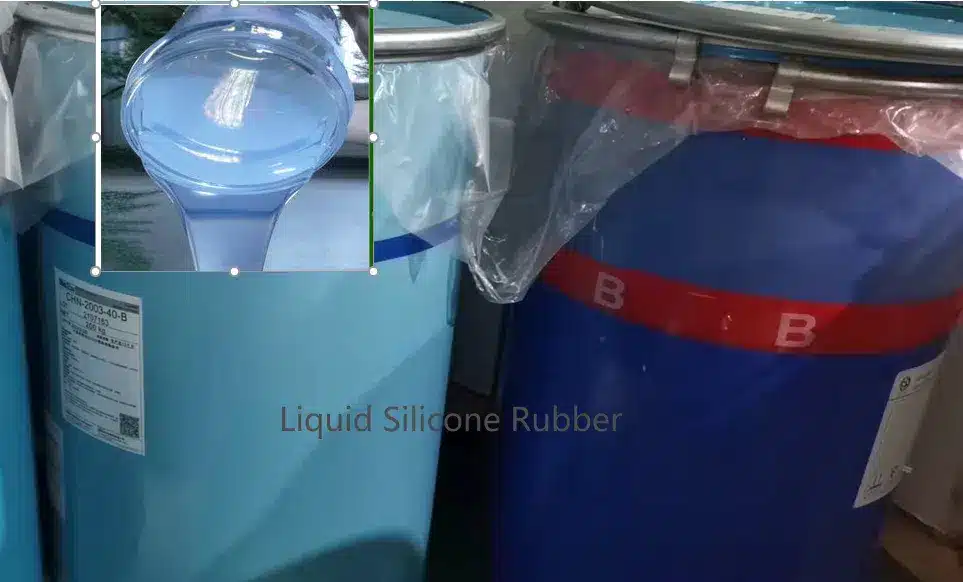
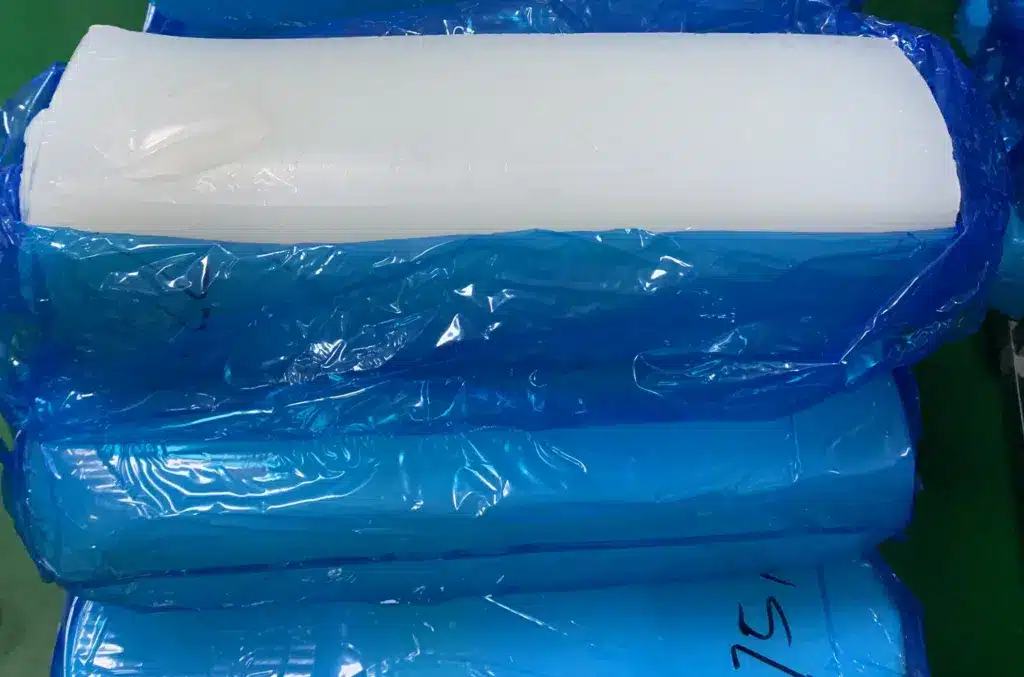
Food-grade liquid silicone rubber (LSR) or solid silicone rubber (HCR) must meet biocompatibility standards, ensuring non-toxicity, high-temperature resistance (≥200°C), and environmental friendliness. Liquid silicone rubber offers high transparency and flexibility, making it suitable for complex structures. Solid silicone rubber is more cost-effective and suitable for large-scale production.
Mold Design and Processing
Imported steel molds are processed using CNC machines with an accuracy of ±0.02mm. Baby product molds must be ergonomically designed to ensure a comfortable grip and a non-slip feel.
Molding Process
Raw Material Mixing: Add curing agent and colorant according to the appropriate proportions, mix thoroughly, and then cut the glue to product specifications.
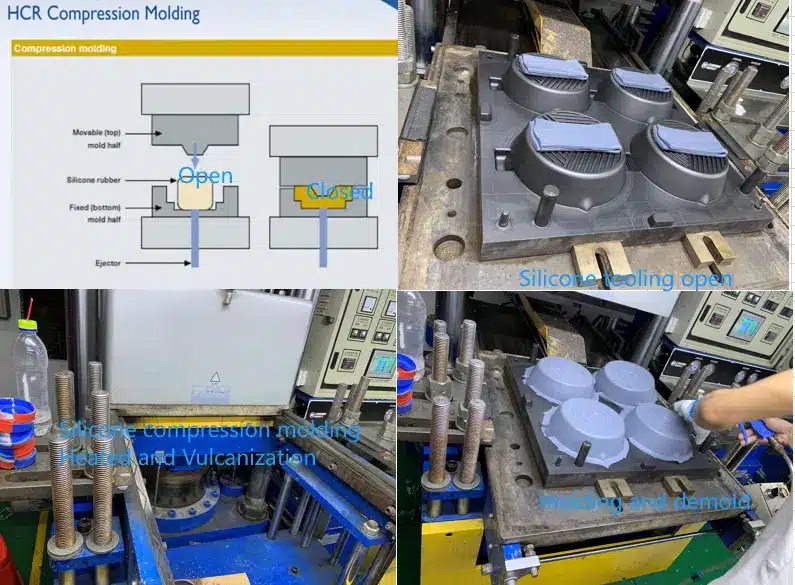
Injection Molding: Pour the raw materials into the mold and heat and pressurize at 130°C, maintaining a pressure of 15-20 MPa for approximately 10 minutes.
Second-Stage Vulcanization: After molding, place the mold in a 200-250°C oven for 2 hours to increase tensile strength by over 30%.

Detailed Processing
Anti-slip Design: Surface texture and friction enhance slip resistance.
Size and Color: Spoon length ≤ 15cm, width ≤ 5cm, light-colored for easy viewing of food.
Post-Processing
Deburring, cleaning, and drying to ensure contamination-free.

We JUTION is a one-stop customized silicone product manufacturer and silicone molding solution provider specializing in the field of silicone products. If you want to know more about silicone products, you can contact us.
How can one purchase the appropriate silicone baby soft spoon and feeding bowl set?
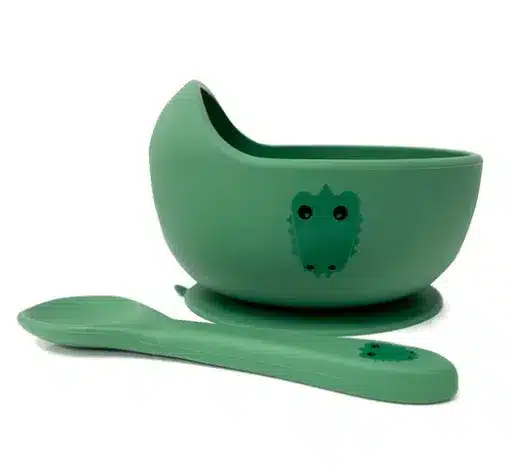
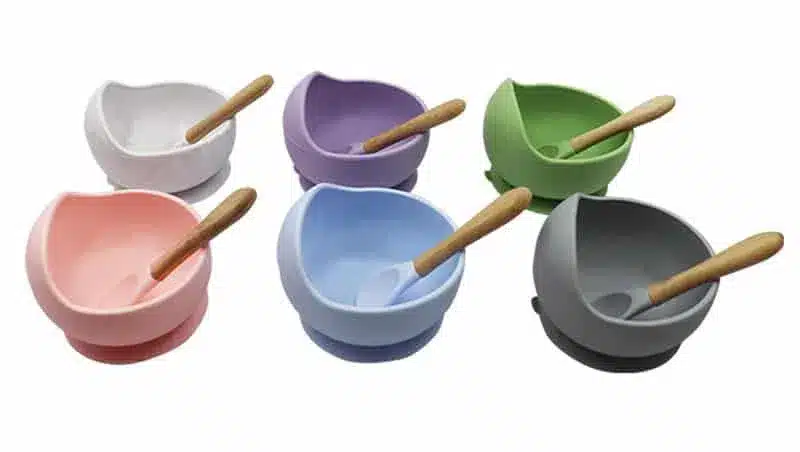
Color and pattern: Babies are very sensitive to visual stimuli such as color and shape during infancy. Therefore, you can choose tableware with cute colors and interesting patterns to attract the baby’s attention and make him focus more on eating during feeding.
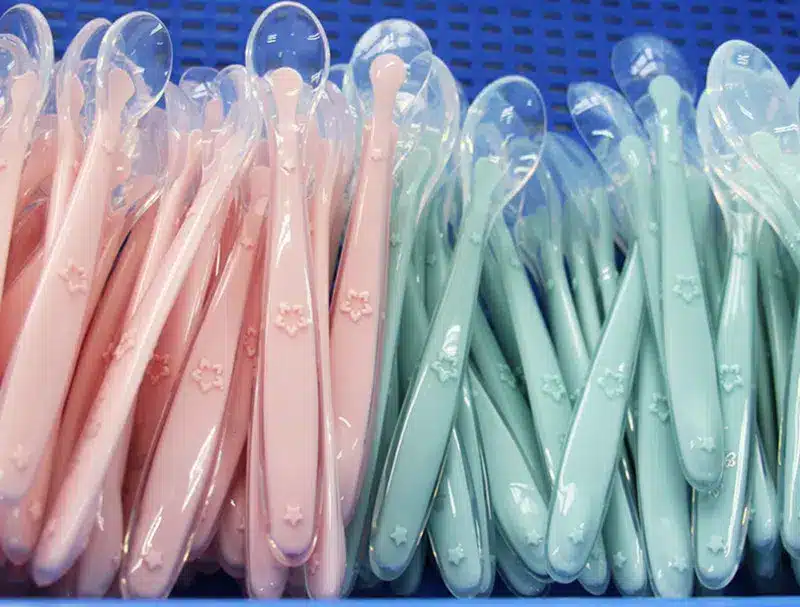
Safety: Safety is the primary consideration when choosing baby tableware. When selecting, be sure to check that the material meets national standards and that the surface is smooth and free of cracks.
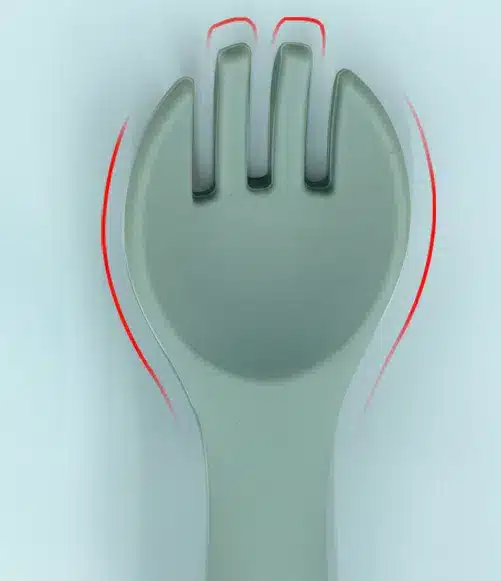
Practical Design: The easy-to-grip silicone spoon is perfect for baby’s small hands. The silicone bowl is equipped with a non-slip pad on the bottom to ensure stability on the tabletop while the baby is using it, reducing the risk of accidental drops.
How to control the quality of silicone baby soft spoon and feeding bowl set?
Raw Material Control
Food Grade Certification: FDA/LFGB certified food-grade silicone must be used to ensure it is non-toxic and odorless.
Testing Parameters: Parameters such as volatile matter (≤0.5%), hardness deviation (±2 Shore A), and Mooney viscosity (40-60 MU) must be tested upon arrival.
Storage Management: Raw materials must be stored in a dry, light-proof environment, using a first-in, first-out (FIFO) principle to prevent performance degradation.
Production Process Control
Mold Precision: The mold requires high-precision parting design, surface polishing, and sandblasting to ensure aesthetic appearance and dimensional accuracy.
Mixing Process: An internal mixer is used to control temperature (20-25°C) and time (8-12 minutes). The rubber discharge temperature is ≤50°C, and the Mooney viscosity fluctuation is ±3 MU.
Vulcanization Parameters: A PLC system monitors temperature (±2°C), pressure (8-15 MPa), and time (t90 + 10%) in real time. Medical products require a step-by-step temperature vulcanization process.
Environmental and Equipment Management
Cleanliness: Medical-grade production must meet ISO Class 7 cleanliness standards to prevent microbial contamination.
Equipment Maintenance: High-precision loss-in-weight feeders are used to ensure masterbatch addition error is ≤0.3%. Medical-grade rubber compounds must be matured in a Class 10,000 cleanroom.

Finished Product Testing
Safety Indicators: Must pass tests such as high-temperature resistance (no release of harmful substances at 230°C) and tear strength (≥25 kN/m).
Compliance Certification: Food-contact silicone products must comply with GB 4806.11, which includes new migration limits for aromatic primary amines and N-nitrosamines starting in September 2024.
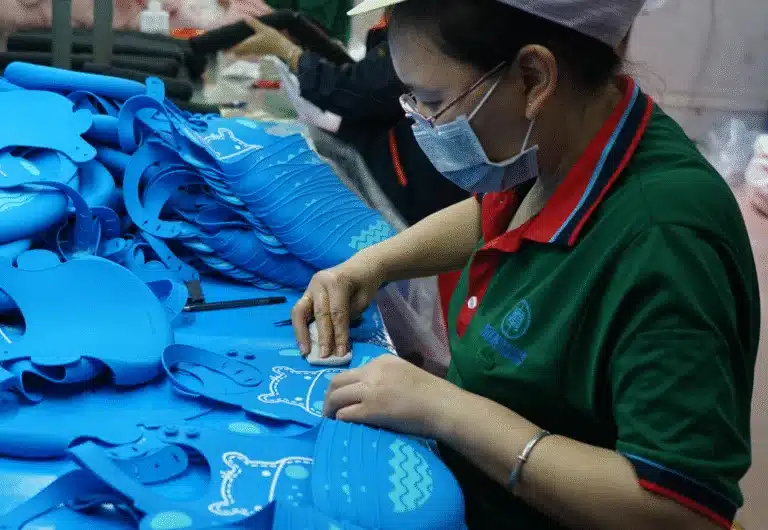
We at JUTION provide our partners with full support from idea to market launch, and are the preferred partner of leading silicone product brands and retailers.
How to clean and maintain silicone baby soft spoon and feeding bowl set?
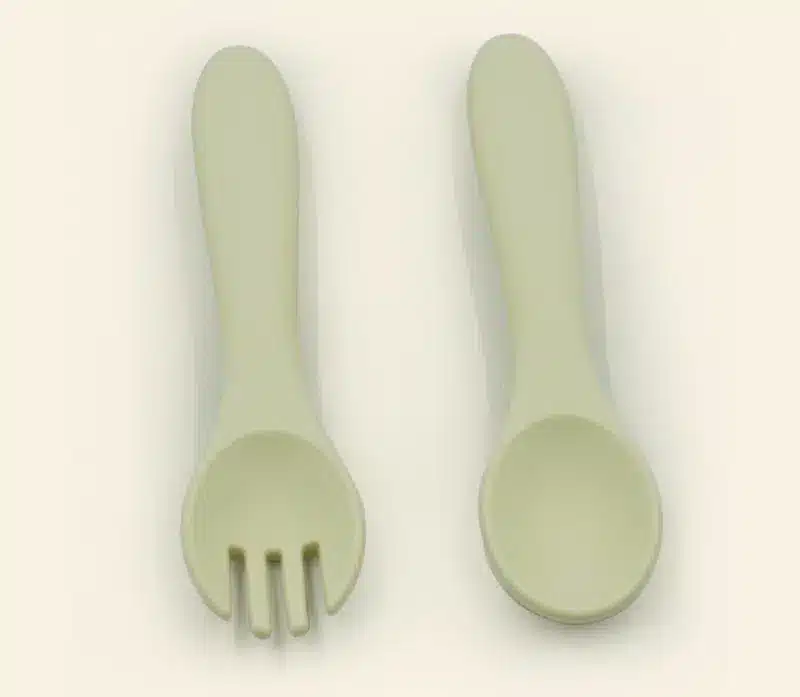
- Washing utensils: Before using, rinse them thoroughly with warm water to remove any bacteria or dust that may remain.
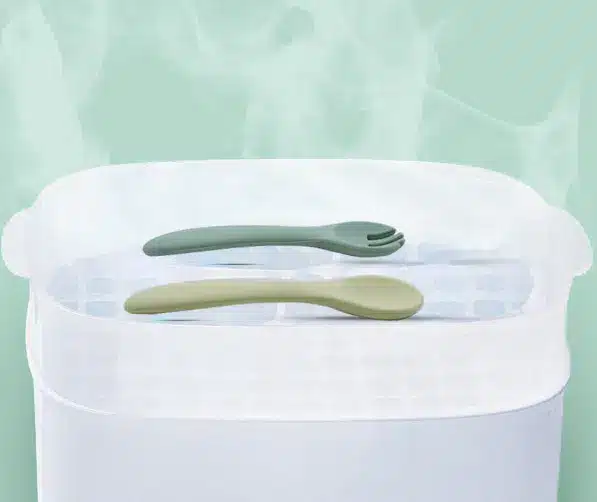
- Sterilizing utensils: During infancy, sterilizing with an electric steamer, UV lamp, or high-temperature boiling is recommended.
- Daily maintenance: Silicone utensils for infants require frequent cleaning and disinfection. Regularly inspect the surface for cracks, and it’s best to replace spoons after about three months of use.。
- Storage: When storing, avoid exposing the spoon to sunlight or sharp objects for a long time to avoid damage to the spoon material.
What are the precautions for using silicone baby soft spoon and feeding bowl set?
When using a silicone bowl, place the non-slip mat on the table to prevent it from accidentally tipping over when your baby grabs it with their hands.
When using a spoon, hold it at a slight angle to make it easier to take food. When feeding, avoid pushing the spoon too deep into your baby’s mouth and try to control the feeding speed and amount.
Conclusion
Infancy is a critical period for human growth and development, and dietary nutrition has a vital impact on the baby’s physical health. During the feeding process, tableware has undoubtedly become the baby’s most intimate tool. The high-temperature resistant silicone baby soft spoon feeding bowl set represents the highest standard of modern feeding tools. It combines safety, practicality and convenience, and is an indispensable feeding tool for new parents. When choosing the right silicone bowl and spoon, we also need to pay attention to some precautions to provide the best feeding experience for the baby.