The baby’s first water cup Recommended
Over the years, I have witnessed how silicone materials have reshaped the landscape of maternal and infant products with their unparalleled safety and functionality. The “first water cup” is an important tool for babies to transition from breast milk or bottles to independent drinking. At this time, our top priority as parents is to choose a water cup for our babies that is both safe and can cultivate independent drinking habits. Here, we will delve into a product that is crucial at this critical stage – the silicone water cup. This article mainly introduces the definition and types of silicone water cups, the reasons why infants and young children need silicone water cups, as well as precautions when purchasing and cleaning and maintenance methods.
If you are interested in silicone water cups or want to know more about them, please read this article.
What is asilicone water cup?
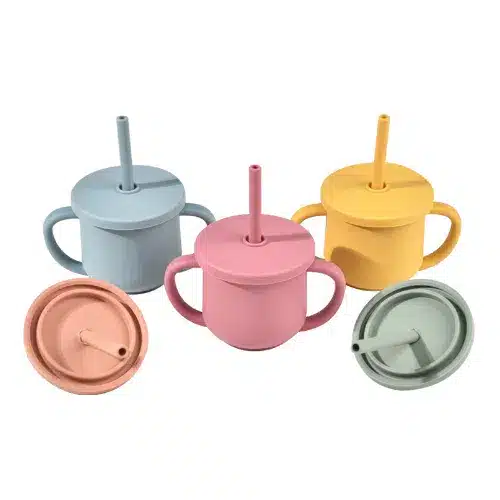
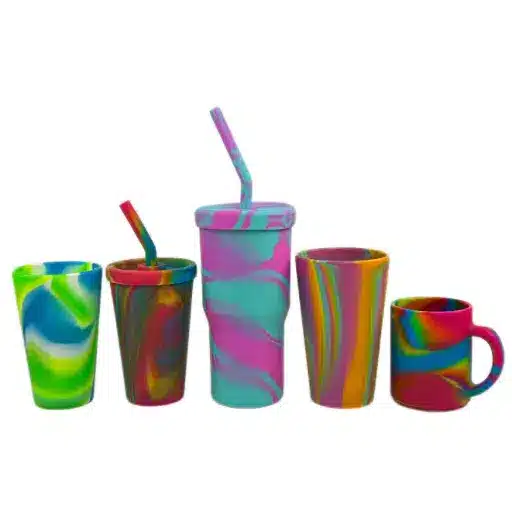
Silicone drinking cups, a major category of silicone tableware, are generally made of food-grade silicone. They contain no plasticizers, are durable and heat-resistant, and are non-toxic and odorless. They offer multifunctional features, including leak protection, choking prevention, drinking training, and hand-eye coordination training. They pose no health risks.


(I) By Age Group
① Learning Cups (Duckbill Cups, Soft-Spouted Straw Cups)
These feature a silicone spout or duckbill design, suitable for babies transitioning from bottles to cups, and prevent choking.
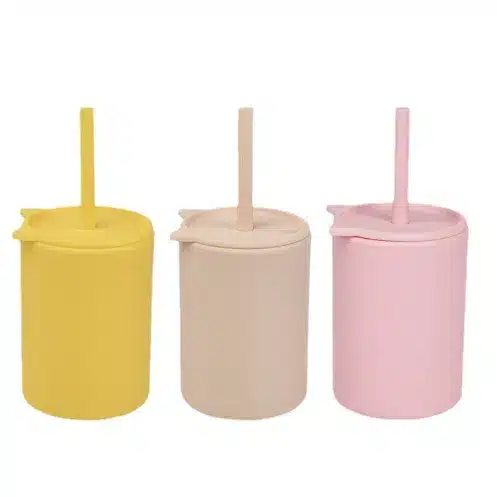
② Straw Cups
Silicone straws can help improve sucking skills.

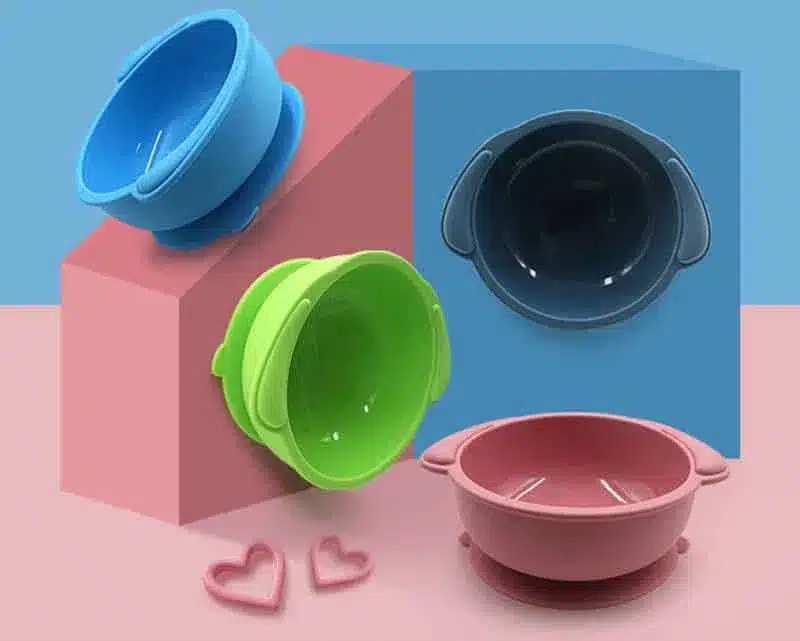
③Open cup
Suitable for babies learning to drink independently, usually with a non-slip base.
(II) Structural Design
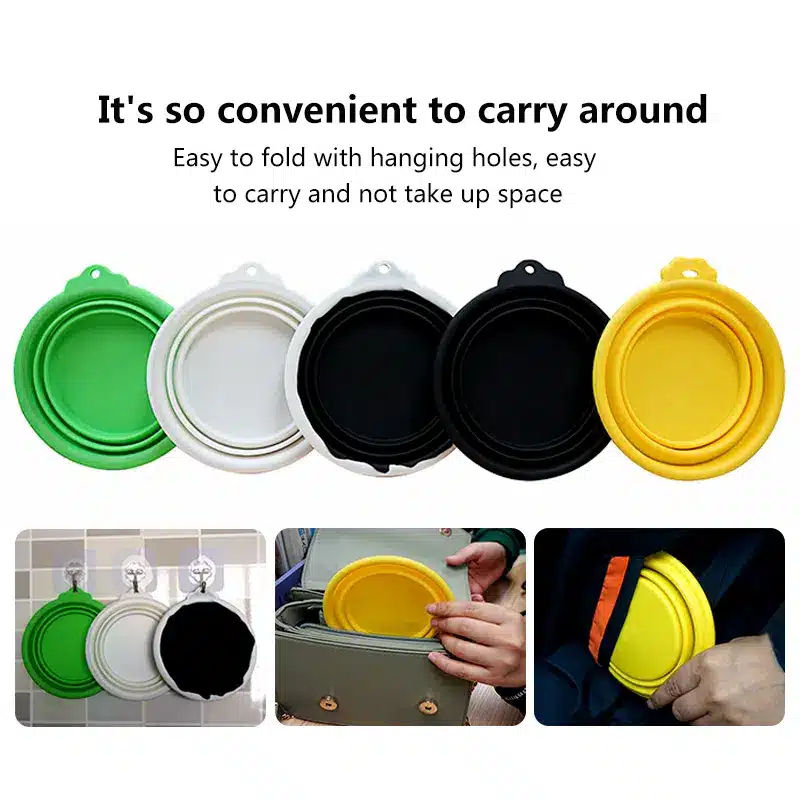
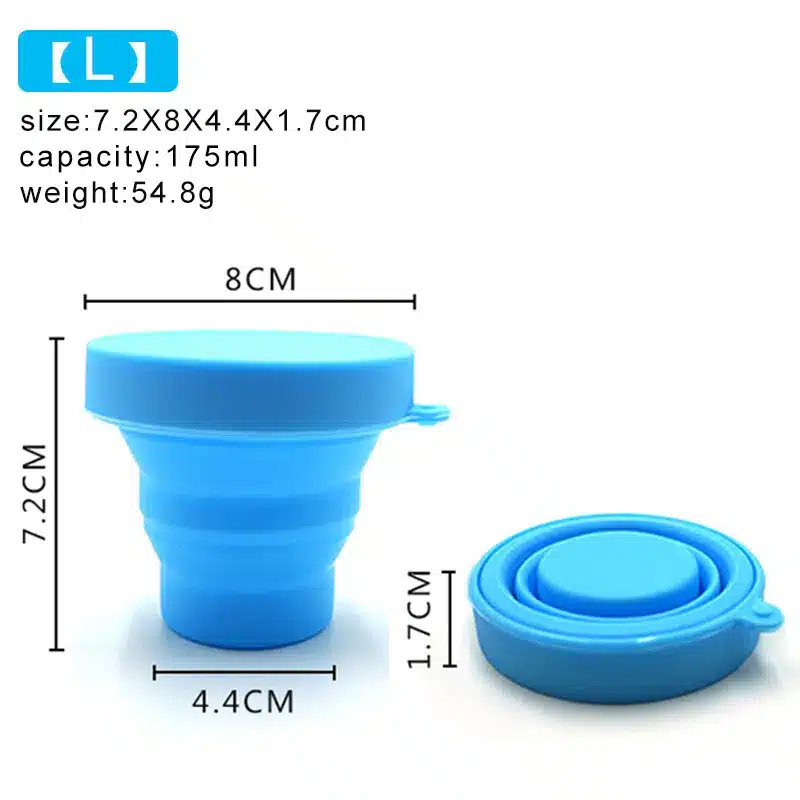
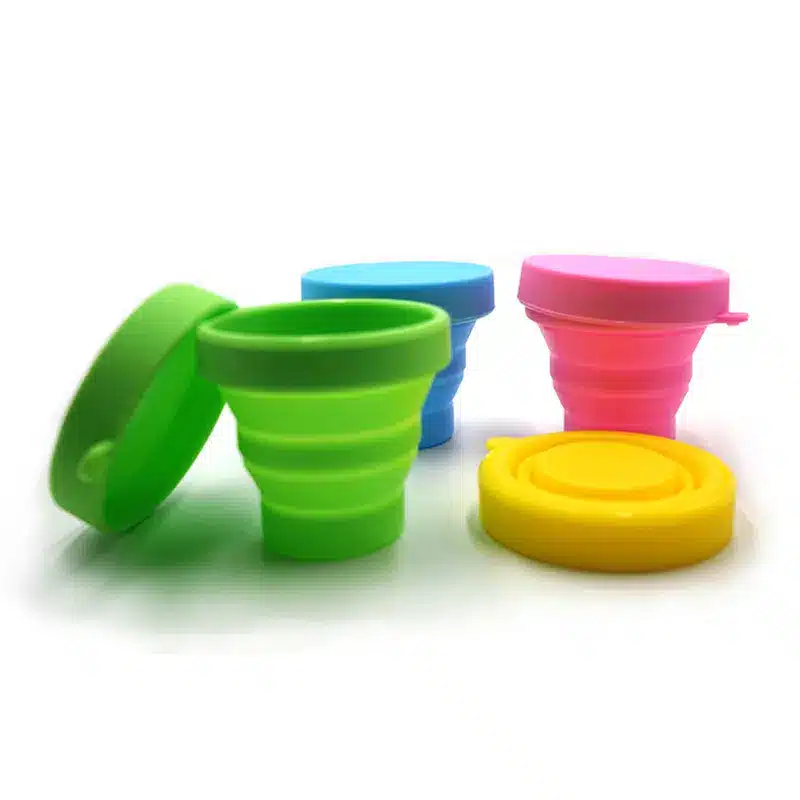
① Folding Cup
The cup is compressible, making it easy to carry and suitable for travel.
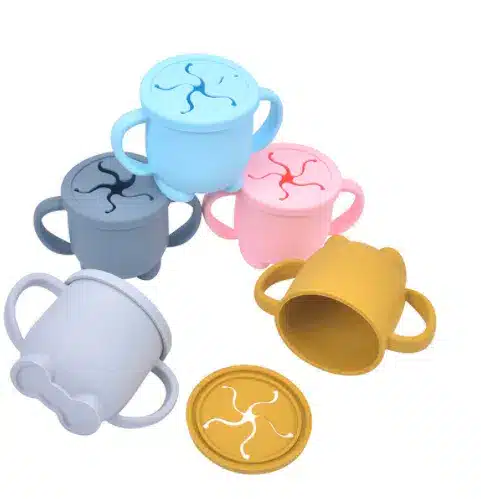
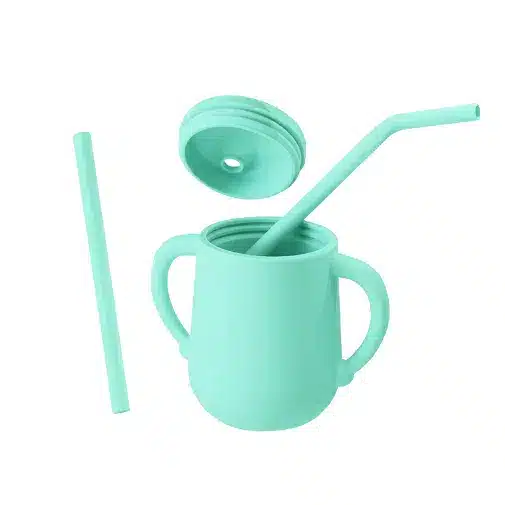
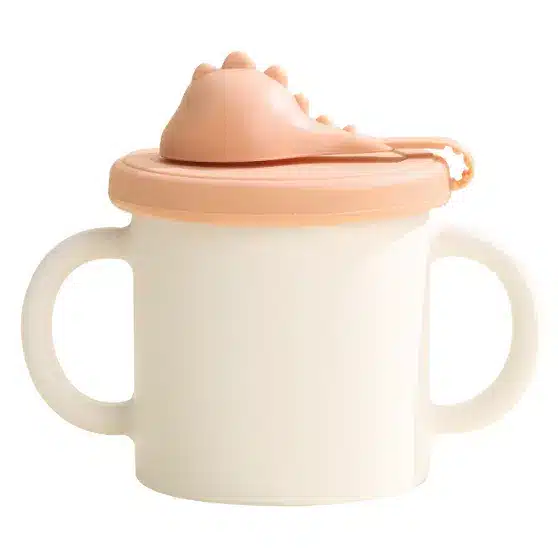
②Double-handle cup
Silicone handles on both sides for easy gripping by baby.
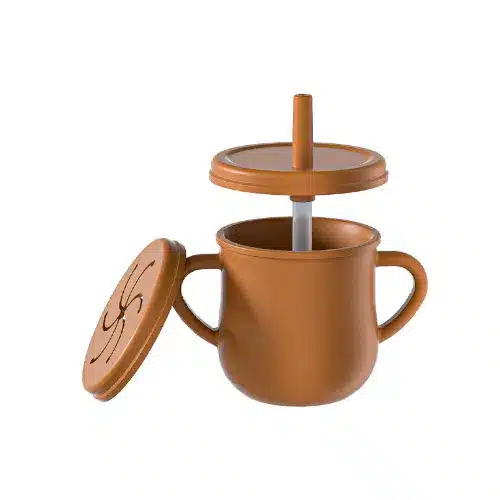
③ Gravity Ball Straw Cup
Built-in silicone gravity ball allows you to drink from any angle.
(III) By Functional Features
① Leakproof
Equipped with a silicone seal, it prevents leaks even when inverted, making it suitable for outdoor use.
② Insulated
Designed with a double-layer silicone design and a stainless steel liner, it maintains water temperature.
③ Detachable
The straw, lid, and seal can be disassembled for easy and thorough cleaning.
Why choose a silicone water cup?
Safe and harmless:
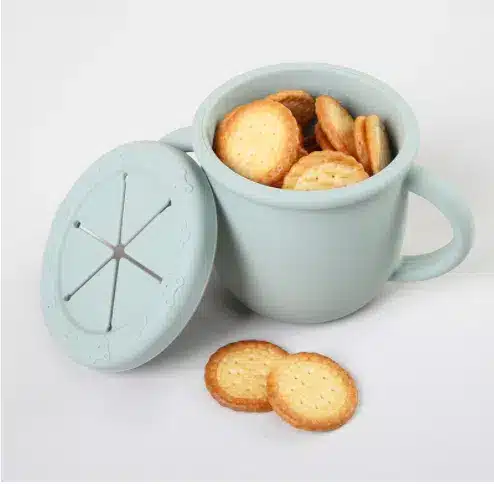
Plastic water cups may release bisphenol A, which may affect the baby’s growth and development; stainless steel water cups may have the risk of heavy metal precipitation; silicone water cups are made of food-grade silicone, which is non-toxic and odorless.
Lightweight and easy to carry:
The silicone water cup is compact and can be carried with you. After use, you can rinse it with clean water and fold it into your bag.

High and Low Temperature Resistance:
Silicone has a temperature resistance range of -40°C to 220°C, far exceeding that of food-grade plastics. It is safe to use and can even be heated in a microwave.
Soft and Durable:
Silicone feels soft, like human skin, and will not cause unnecessary damage to your baby’s teeth or lips. It will not fade in everyday temperatures and has a longer lifespan than silicone water bottles.
Easy to clean:
The surface of the silicone is smooth, oil and dirt are not easy to penetrate, easy to clean, waterproof, and can be cleaned directly with clean water and a rag, which is very convenient.
If you want to know more about silicone products, please contact us JUTION.
Who are the suitable people for silicone water cups?

When is it appropriate to use silicone water cups?
- Around 6 months: At this age, babies begin to teethe. Silicone water bottles not only help them get plenty of water but also serve as a replacement for silicone teethers, which can help alleviate teething discomfort.
- Around 8 months: At this stage, babies can try using silicone cups with straws. This allows them to drink while sitting and helps improve their sucking ability.
- Around 12 months: Babies at this stage can be trained to use the same open cup as adults. The silicone material is drop-proof and the edges are soft and bump-proof.
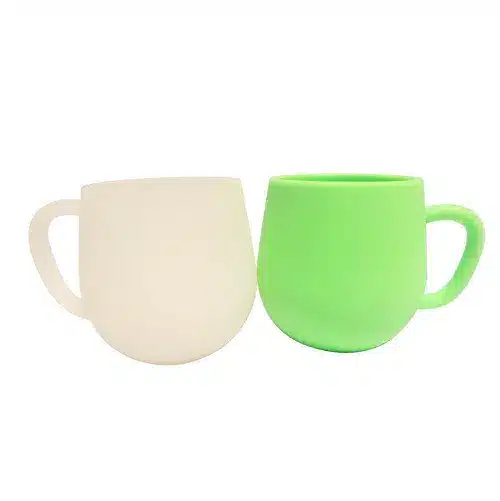
Where is it suitable to use silicone water cups?
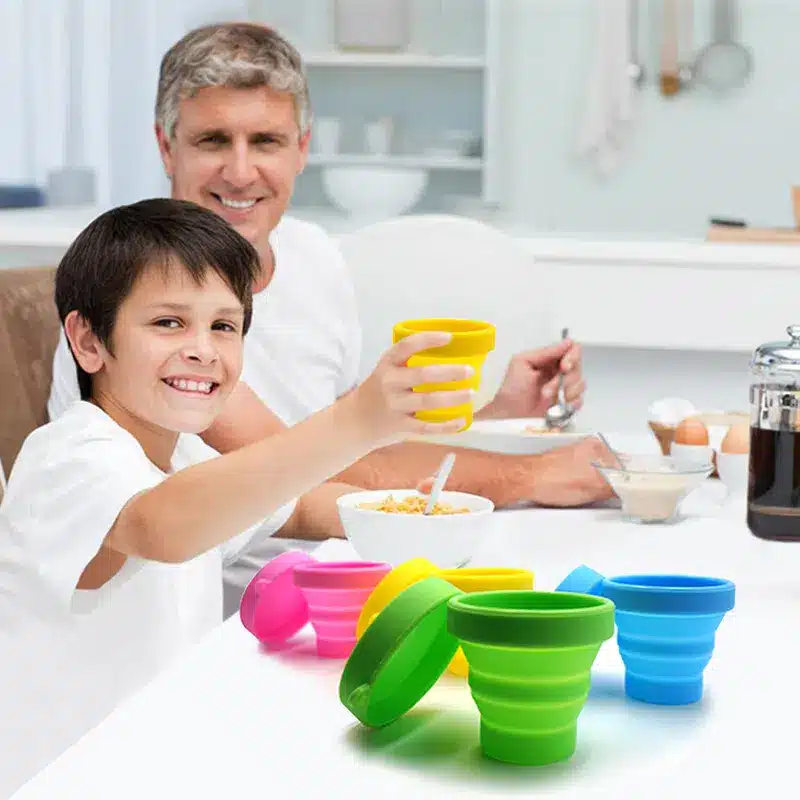
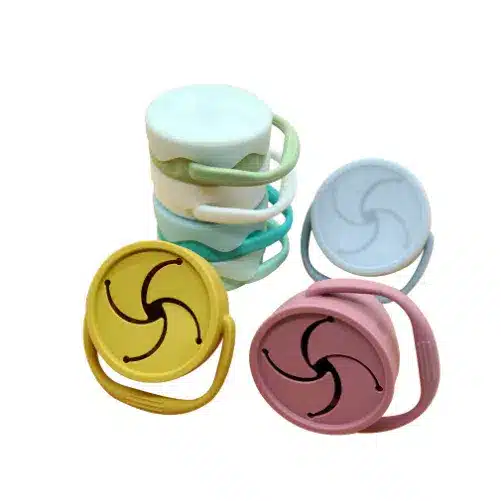
If you would like custom silicone products, please contact us at JUTION.
How to produce silicone water cups?
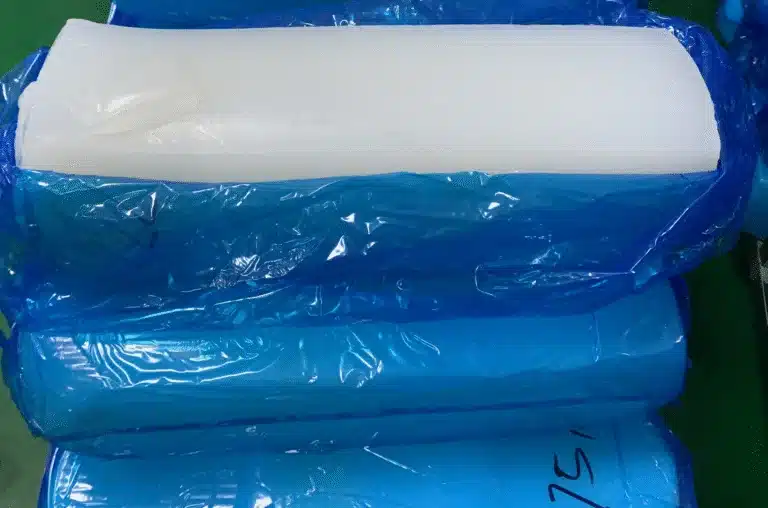
Raw Material Processing
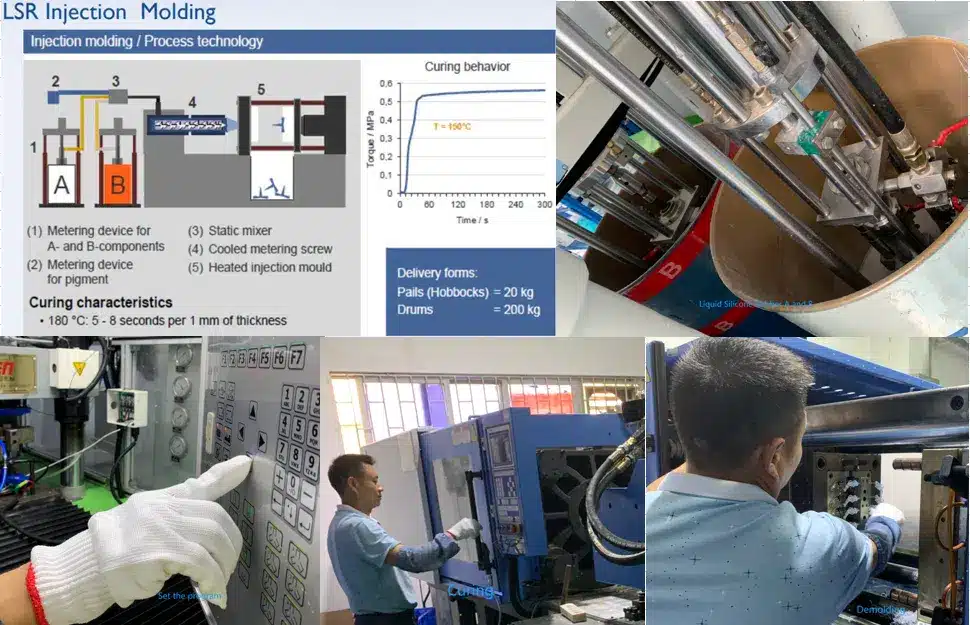
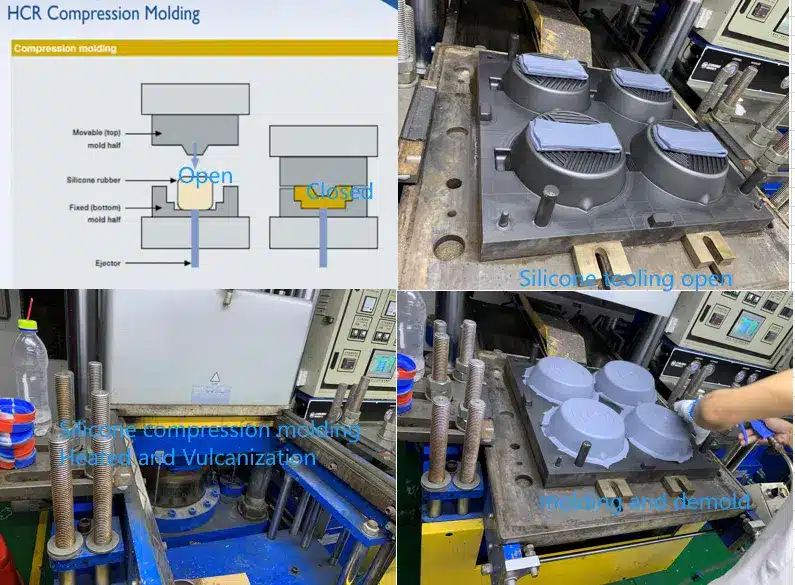
Solid silicone rubber is mixed in an open mill (temperature ≤ 45°C) to maintain a hardness fluctuation within ±2°. The rubber is then cut to 1.1-1.2 times the mold cavity volume to prevent material shortages and excessive flash.
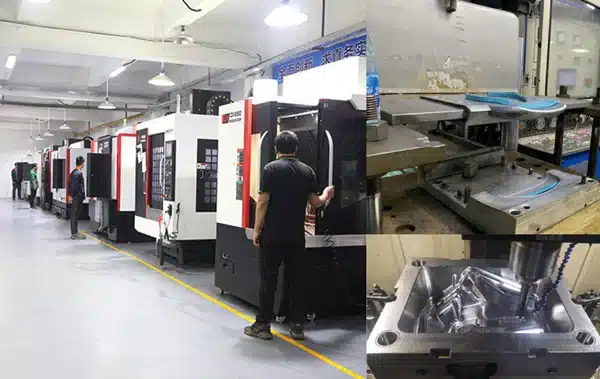
Mold Preparation
The mold must be preheated to 120-180°C (medical molds require higher requirements) and sprayed with a food-grade release agent (0.5-1.5 mg/cm²). Excessive release agent can cause surface oil stains, affecting the quality of the finished product.
Loading and Mold Closing
Precisely weigh the rubber compound (with an error of ≤ ±0.5%) to avoid uneven cavity pressure. After mold closing, apply a low-pressure vent of 5-10 MPa to prevent trapped air and bubbles. Then, apply a high-pressure hold of 15-25 MPa. The hold time is calculated based on the thickness of the part (60 seconds per 1 mm of thickness).
Vulcanization
The temperature is maintained at 170 ± 2°C, and the curing time is calculated based on the thickest part of the part (1.5 minutes per mm of thickness). For example, a 5 mm thick part requires 7.5 minutes of curing. Temperature fluctuations exceeding 3°C can cause changes in crosslinking, affecting the performance of the finished product.
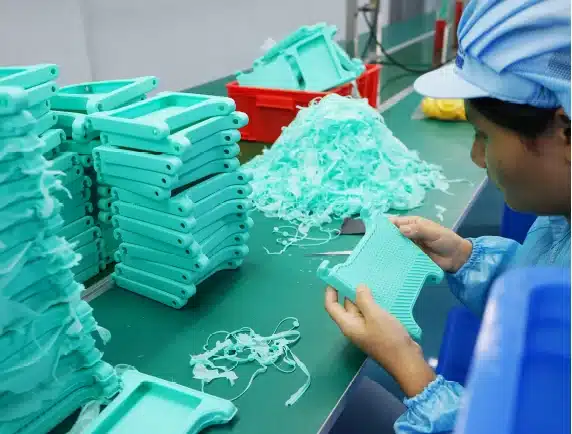
Post-Processing and Inspection
After mold opening, the mold is immediately fixed with a cooling fixture to prevent deformation due to high temperatures. Medical products are removed using a suction cup robot and plasma cleaned to remove mold release agent residue. Finished products undergo 100% dimensional inspection (accuracy ±0.005mm) and particle screening (particles >0.3μm, ≤100 particles/cm²)
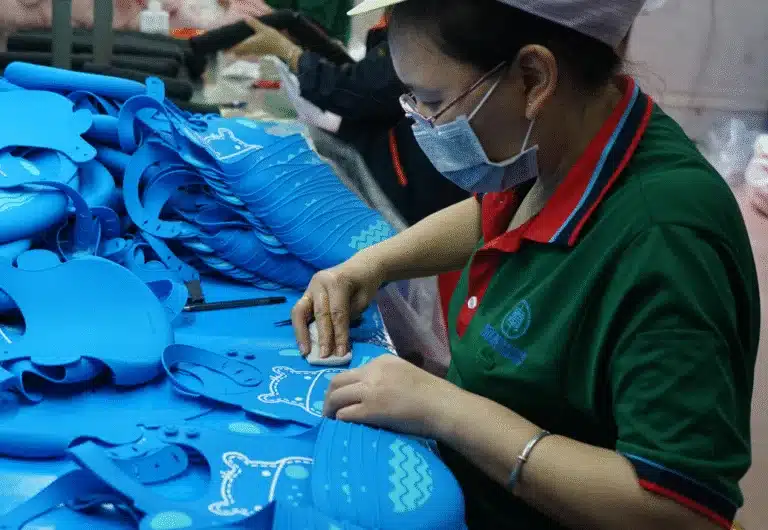
We JUTION is a one-stop customized silicone product manufacturer and silicone molding solution provider specializing in the field of silicone products. If you want to customize silicone products, you can contact us.
How to purchase the right baby silicone water cup?
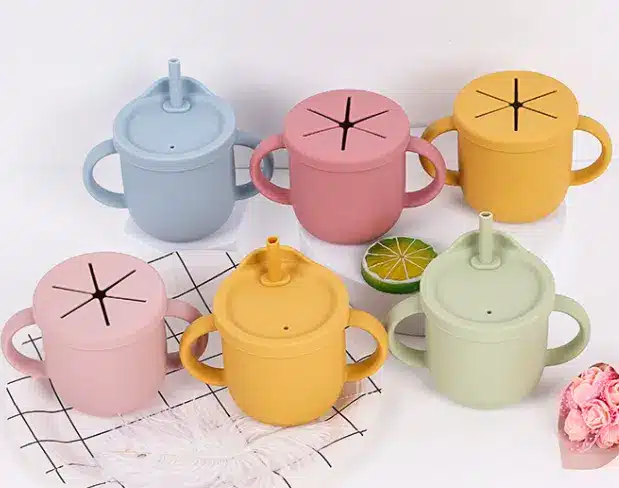
Check the label:
When purchasing, carefully check the product’s label and instructions to ensure it meets safety standards and ensures quality.
Handle design:
Silicone water bottles with handles help develop baby’s grip and make it easier for them to drink water on their own.
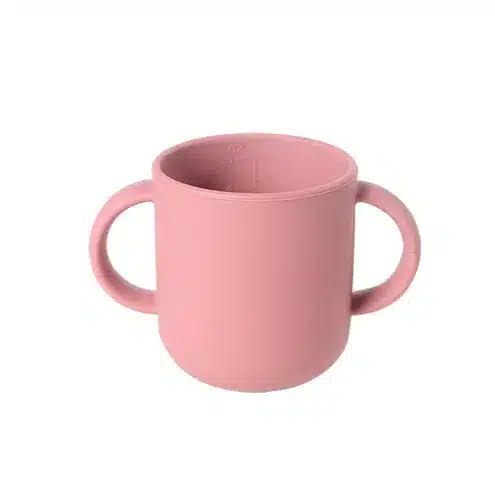
With scale:
Buy a water cup with scale, you can know how much water your baby drinks every day, and you can better control the amount of water your baby drinks.

Anti-choking design:
Some water cups have a straight or cross-shaped opening at the straw mouth. This design is to make the water flow more slowly so that the baby will not choke due to too much water coming out at once.

Small parts:
A cup without small parts is very easy to clean, and the baby will not accidentally swallow the small parts in the cup.
How to control the quality of silicone water cups?
Raw Material Management
Supplier Audits: Select FDA/LFGB-certified food-grade silicone suppliers and regularly evaluate their quality management systems and environmental standards.
Raw Material Testing: Each batch of raw materials is tested for indicators such as volatile matter (≤0.5%), hardness (±2 Shore A), and Mooney viscosity (40-60 MU). Medical-grade materials are additionally tested for ISO 10993 biocompatibility.
Production Process Optimization
Formula Design: Formulas are designed based on product application, taking into account raw material compatibility, processing temperature, and curing time. Industrial products must be tested for oil resistance (ASTM D471 standard) and tear strength (≥25 kN/m).
Molding Process
Injection molding: Control injection pressure, speed, and temperature to ensure dimensional accuracy.
Compression molding: Pay attention to mold preheating temperature and time to avoid bubbles and deformation.
Post-Processing
Post-vulcanization treatment enhances crosslinking, heat resistance, and chemical stability.
Finished Product Testing and Certification
Online Monitoring: Real-time monitoring of temperature, pressure, and other parameters during production. Industrial products require tracking of vulcanization temperature (±2°C), pressure (8-15 MPa), and time (t90 + 10%) using a PLC system.
Finished Product Testing: Testing for high-temperature resistance (100-250°C) and aging resistance. Medical-grade products require aging in a Class 10,000 cleanroom to prevent microbial contamination.
Certification Marking: Products must be clearly labeled with the food-grade certification mark. Exported products must comply with international standards such as RoHS.
We at JUTION provide our partners with full support from idea to market launch, and are the preferred partner of leading silicone product brands and retailers.
How to clean and maintain the baby silicone water cups?
Before using the silicone water cup for the first time, it is recommended to clean it with detergent and then boil it in a pot for 6-7 minutes to disinfect it and remove odors.
Regularly check the condition of your straw or mouthpiece. If the mouthpiece is damaged or broken, replace it immediately.
What should I do if my silicone water cup is stained? You can squeeze a small amount of toothpaste on the cup, wait about a minute, and then rinse the silicone cup with water. This will easily remove the tea stains from the silicone cup.
Conclusion
Choosing a safe water cup is an important part of maintaining health. Healthy drinking habits start with choosing the right water cup. Silicone water cups are an ideal choice for your baby’s first water cup, effectively ensuring drinking safety and promoting development. Scientific selection of silicone water cups is key, and quality and safety are the foundation. You need to choose the right style based on your baby’s age and development stage. Correct use and guidance can maximize the value and development effect of silicone water cups. I hope every parent can find the water cup that best suits their baby and enjoy a safe and healthy drinking life.