
Bite and Play Comfort Toy Combo ——Silicone Teether
Every parent wants to provide their baby with the safest and most scientifically sound growth companionship. Especially during teething, babies experience not only itchy and uncomfortable gums but also a strong desire to chew. Traditional teethers often only address the “biting” issue, neglecting deeper needs such as sensory training and emotional comfort during a baby’s growth. This article primarily discusses the definition and target audience of silicone teethers, the reasons infants and young children need them, and specific usage scenarios, as well as purchase considerations and hidden sensory integration play techniques. If you’re interested in silicone teethers or would like to learn more, please read this article.
What is silicone teether?
Teethers, also known as teethers or teeth training devices, are made of safe and non-toxic silicone and come in a variety of designs, including fruits and animals.
They massage the gums. Sucking and biting teethers can help babies develop eye-hand coordination, thereby promoting intellectual development.
In theory, biting teethers can also provide psychological satisfaction and a sense of security.


Why do babies need to use silicone teether necessary?


The right silicone teether not only provides a comfortable gum massage, alleviating the physical and psychological discomfort of teething, but also plays an important role in sensory integration training.
For more information, please contact JUTION.
Who are silicone teethers designed for?

- Teething Babies: Babies typically begin teething around 4-10 months old, and they may experience itchy and painful gums. Silicone teethers can alleviate these symptoms and relieve the discomfort of teething.
- Oral Babies: Babies aged 0-1 enjoy exploring the world through their mouths. Silicone teethers are clean and hygienic, satisfying their oral needs while also aiding the development of oral perception.
- 0-3 years old baby: This is the golden period for sensory integration development. Good sensory integration ability will help the baby’s future learning, sports and life. In fact, using simple silicone teethers can carry out interesting sensory integration training.
When is it appropriate to use silicone teethers?

Gum discomfort during teething:
When your baby’s teeth are about to erupt, choosing a suitable silicone teether can not only relieve gum discomfort but also help strengthen their gums and promote tooth development.
Crying and soothing:
When your baby is frustrated and unhappy, biting and playing with a teether can help distract them, soothe their negative emotions, and provide them with psychological satisfaction and a sense of security.

Sensory integration training:
Silicone teether toys can not only provide a multi-sensory experience, but also promote the baby’s all-round development. For example, some teether toys are usually designed with rattles, which help babies better perceive the world by providing rich auditory, tactile and visual stimulation.
What are the usage scenarios of silicone teethers?

Daily life at home:
Buy some silicone teethers and keep them at home.
Your baby can grab them and chew them on the mat or crib at any time to relieve the pain of teething and kill time.

On-the-go:
Silicone teethers are compact and lightweight, making them easy to store and carry. Some models also feature an anti-drop chain that can be hung on a stroller for easy use anytime.
Gift-Worthy:
Beautifully packaged silicone teethers are both beautiful and practical, making them a perfect gift for families with children.
JUTION manufactures silicone products for a variety of industries, including consumer, industrial, and medical. We are recognized for providing innovative custom silicone products, manufacturing expertise, and technical solutions.
How are silicone teethers produced?
Material Selection
We use food-grade platinum-cured silicone. It is non-toxic and odorless, and produces virtually no byproducts during the curing process, ensuring the material’s high purity and biocompatibility.
Raw Material Preparation
Mix the silicone material and curing agent in the appropriate proportion (typically 1.5% curing agent), stir thoroughly, and set aside.

Mold Making
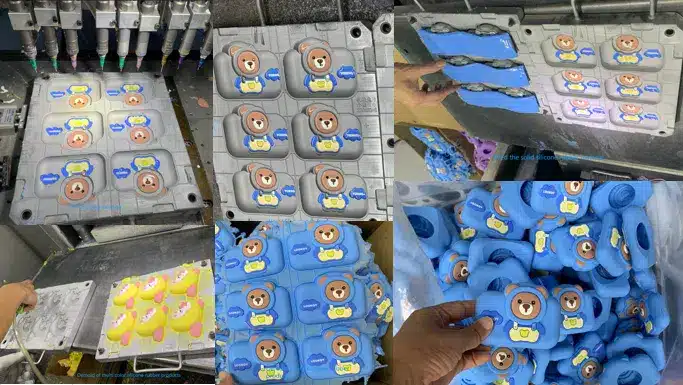
Demolding: Lubricate the dental mold base and surrounding wooden strips with a release agent to ensure smooth demolding.
Mold Assembly: Surround the base with wooden strips, creating a 2-4cm gap. Position the injection point and slowly pour silicone, shaking to remove air.
Plaster Pouring: After the silicone has cured, surround it with wooden strips again and inject plaster powder to create the final mold.
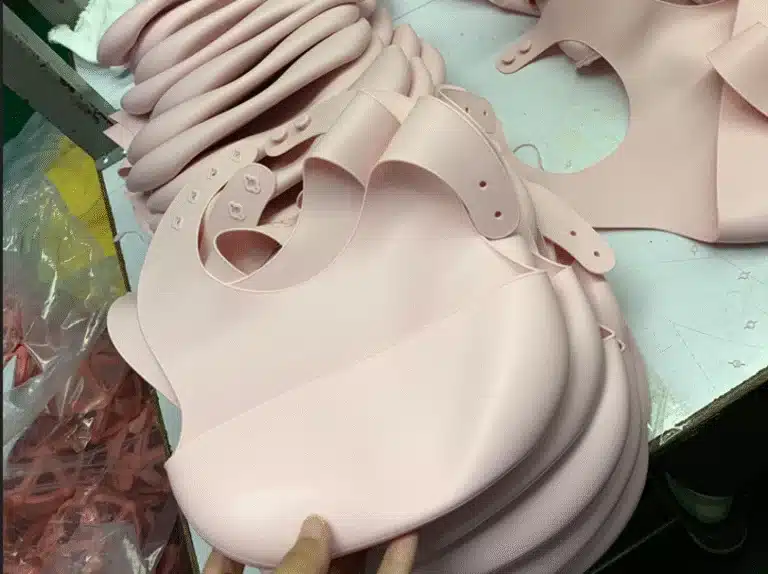
Molding and post-processing:
High-temperature compression molding is carried out in a Class 10,000 dust-free workshop.
Each batch of materials must undergo Shore A hardness testing to ensure that the hardness is always within the range that is most suitable for baby chewing. Before leaving the factory, it must pass a series of strict certifications and provide a queryable batch quality inspection report.
How to control the quality of silicone teethers?
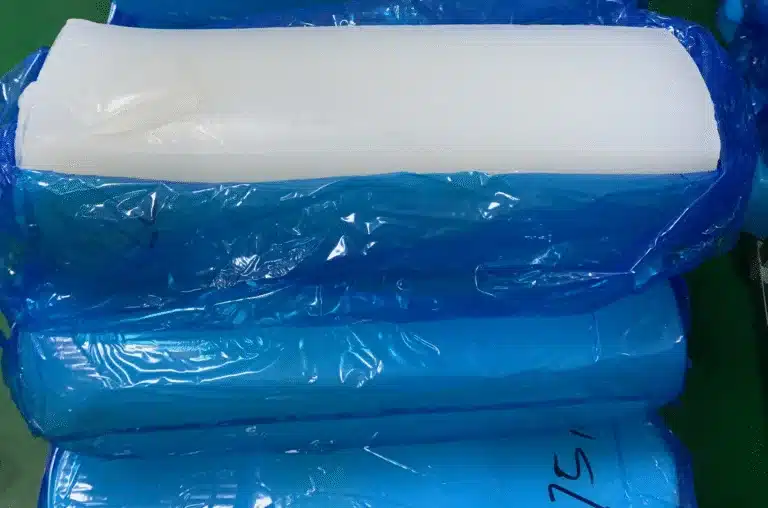
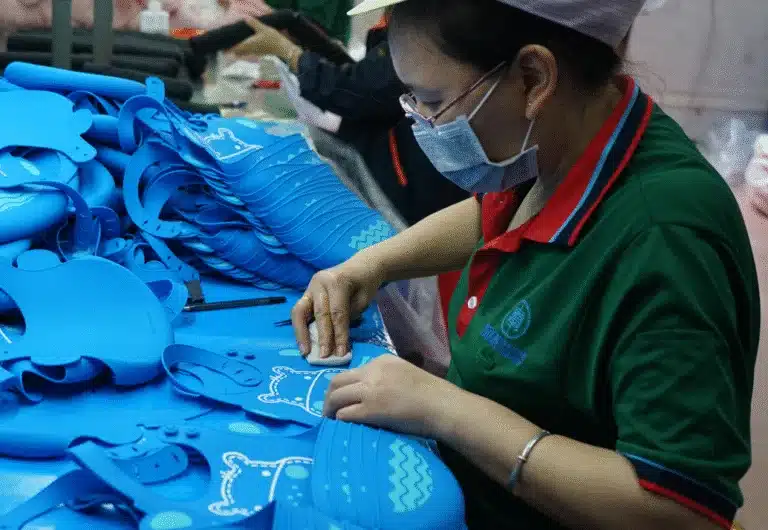
At JUTION, we provide comprehensive support for our partners’ silicone product development, from conception to market launch. We are the preferred partner for leading silicone product brands and retailers.
How to purchase the appropriate silicone teethers?
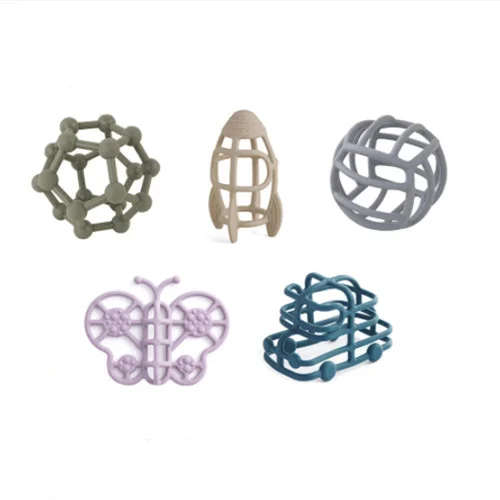
Material: When purchasing a teether, choose food-grade silicone that’s non-toxic, harmless, and non-irritating to ensure product quality and safety.
Color and Design: There are many different shapes and colors of silicone teethers on the market. Those with cute shapes and natural colors are sure to pique your baby’s interest. (Protruding or small parts should be minimized, or preferably absent.)

Hardness: The hardness of a baby teether should be similar to that of a baby’s primary teeth. It shouldn’t be too hard or too soft, as this can damage the baby’s gums, nor too soft, as it won’t help with teething.
Size: The size of a baby teether should be moderate, neither too large nor too small to prevent swallowing or choking.
How to use silicone teethers correctly?
When using silicone teethers, parents must be present and supervise their children to prevent any potential danger. Teething devices should not be used for extended periods of time, and if damaged, discontinue use immediately.
It is recommended to refrigerate the teether for 10 minutes before use. If some teethers are not suitable for refrigeration, please strictly follow the product instructions.
When cleaning the teether, wash it with warm water and edible detergent, then rinse it with clean water and wipe it with a clean towel before use.。

When the teether is not in use, it can be stored in a sterilized container.
How to use silicone teethers to create new ways of playing?
(1) Oral Tactile Stimulation
Hot and Cold Silicone Teethers: Alternate between cold and warm silicone teethers to massage your baby’s gums, helping them adjust to different temperatures and enhancing their oral tactile adaptability.
(2) Oral Muscle Training
Sucking Mango Pit: Place fruit puree in a silicone teether and have your baby try sucking and chewing it. This will train your oral muscles and improve their biting and chewing abilities.
(3) Auditory Stimulation and Searching
Sound Hide-and-Seek: Hide the silicone teether in a corner of the room and make gentle noises around it to guide your baby to find it. This helps strengthen their spatial awareness and sound direction through sound.
Conclusion
Raising a child is not only a physical job, but also a mental job. How to choose the most suitable and safe product for your baby is the top problem for parents. Teething gels, like pacifiers, are products that babies will use as they grow. Choose a suitable silicone teether and guide your baby to explore the fun of teething gels, so that your baby will be happy and parents can rest assured.


