
Silicone baby feeding mat-Your baby can freely enjoy the pleasure of eating
As a professional who has been deeply engaged in the field of silicone materials for many years, I have witnessed the iteration and update of countless parenting products, but today, from the perspective of a materials expert, I would like to reveal to you a secret weapon that may change your parenting experience – silicone placemats. Today, when independent eating has become the mainstream of modern parenting, choosing a suitable silicone placemat is not only related to cleanliness and hygiene, but also to the development of baby’s eating habits and the cultivation of independence. This article mainly introduces the definition and target users of silicone baby placemats, the reasons why infants and young children need it and the specific application scenarios, as well as precautions and cleaning and maintenance methods when purchasing.
If you are interested in silicone baby placemats or want to know more related information, please read this article.
What is a silicone placemat?
Silicone placemats designed specifically for babies and children are made of food-grade silicone materials.
They do not contain harmful substances, have rounded corners, are safe and comfortable, and will not harm babies.
They are environmentally friendly, non-toxic, high-temperature resistant, soft and durable.
They integrate anti-fouling protection, food partitioning, fun guidance, and easy cleaning functions, making parents feel more at ease.
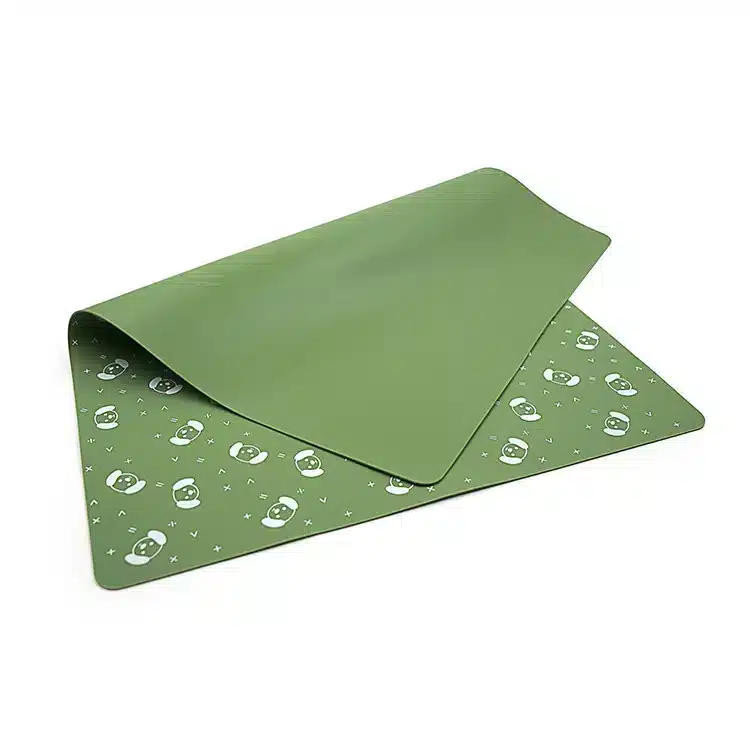
Silicone placemats with cute patterns can also make meal time more interesting.


Who are the target users of the silicone placemats?
Babies in the early stages of solid feeding:
It is common for babies at this stage to overturn bowls and plates and have food flying around. Silicone placemats with built-in adsorption function are very practical. They can not only be adsorbed on the table, but also catch dropped food.

Babies in the self-feeding training period:
Babies at this stage can better control their hand movements and are very interested in eating by themselves, but they always make a mess when eating. Silicone placemats can fix other tableware and catch the baby’s dropped food, providing a good dining environment for the baby, allowing the baby to enjoy the process of eating.

Babies who are tired of eating:
Are you helpless with your child who doesn’t like to eat and always makes trouble at the table? Then provide your child with a safe, durable and cute placemat! Parents can use the silicone placemat and food to play with their baby while eating.
Why do we need silicone placemats?
Anti-leakage:
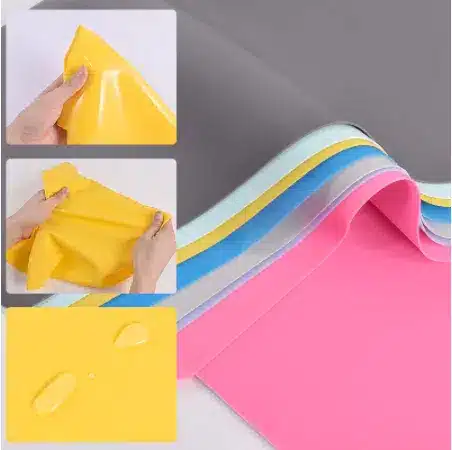
The surface of the silicone placemat is smooth. If oil or water accidentally drips on it, it will not leak onto the table, reducing your cleaning work.

Safe and Durable:
Made from food-grade silicone, the silicone placemat is soft, resilient, durable, safe, and odorless, effectively shielding against bacteria on the tabletop, creating a clean and hygienic dining environment for your baby.
Convenient and Portable:
The silicone placemat is easily foldable, lightweight, and soft, making it easy for children to roll up and store, making it convenient to take with them on the go.
Strong adsorption:
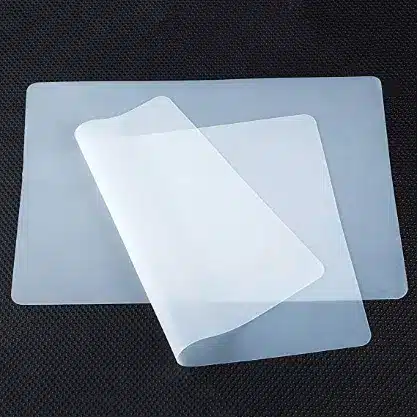
When your baby is eating, you can place the soft silicone placemat on the table. The sticky surface can prevent the tableware from sliding or falling.
Easy to clean:
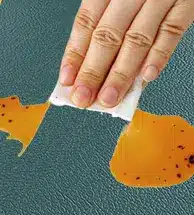
The surface of the silicone placemat is smooth. After eating, you can rinse the placemat with running water, which is super convenient. It can withstand temperatures over 300℃ and can be cleaned and disinfected directly with hot water or directly in the dishwasher.
If you want to know more about silicone products, please contact us JUTION.
When is it appropriate to use the silicone placemats?
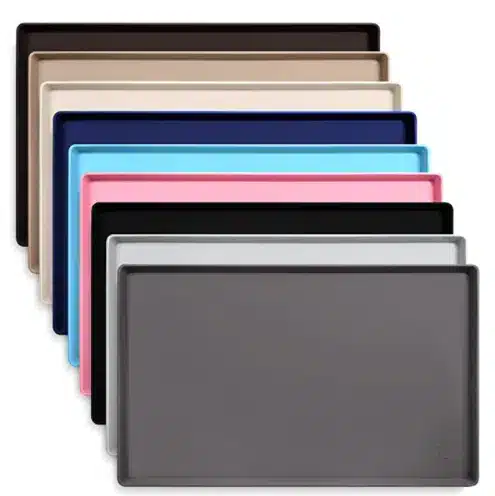
Dining at home:
Silicone placemats are very suitable for infants and young children because of their non-toxic and durable properties. You can let them eat independently on the mat without spending too much time on cleaning the table and the floor.

Dining out:
When eating out, if the table is not very clean, the baby’s health alarm will sound. Silicone placemats are safe and hygienic. If you drop food on it, you don’t have to worry about it getting dirty when you pick it up again.

Travel picnic:
The silicone placemat can be rolled up or folded easily, making it a must-have for family travel and picnics. With it, you no longer have to worry about bacteria on the outdoor dining table, allowing your baby to eat with peace of mind. After the meal, simply rinse with running water, which is very convenient.
Where are silicone placemats suitable for use?
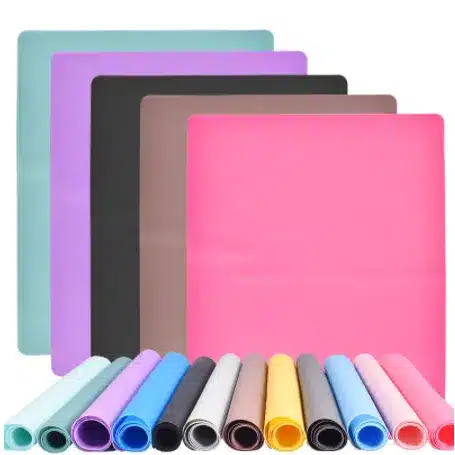
Daily life at home:
When dining at home, you can put a silicone placemat on the table in front of your child to prevent the tableware from moving, protect the table from burns and oil stains, and catch dropped food.
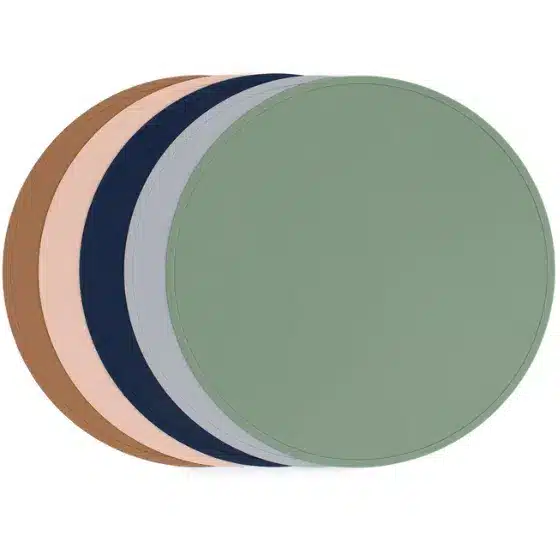
Dining out:
When dining in an external restaurant, you may worry about the sanitation of the environment. Then fold the silicone placemat and put it in your bag for easy access at any time, creating a safe and hygienic dining environment for your baby.

Educational institutions:
In places like kindergartens and nurseries where a large number of children gather, it is easy for the table to be adversely affected by daily drawing and dining – paint, grease, and food residues are all over the table. Customized and wholesale large quantities of silicone placemats can clean stains, residues, grease, etc. with a single wipe, without affecting the normal use of the table.
How to produce silicone placemats?
Raw material preparation
Weigh the raw rubber according to the order requirements, add the vulcanizer, reinforcing agent, and other auxiliary materials in proportion, and mix them evenly in a twin-roll mixer or internal mixer to ensure stable material properties.
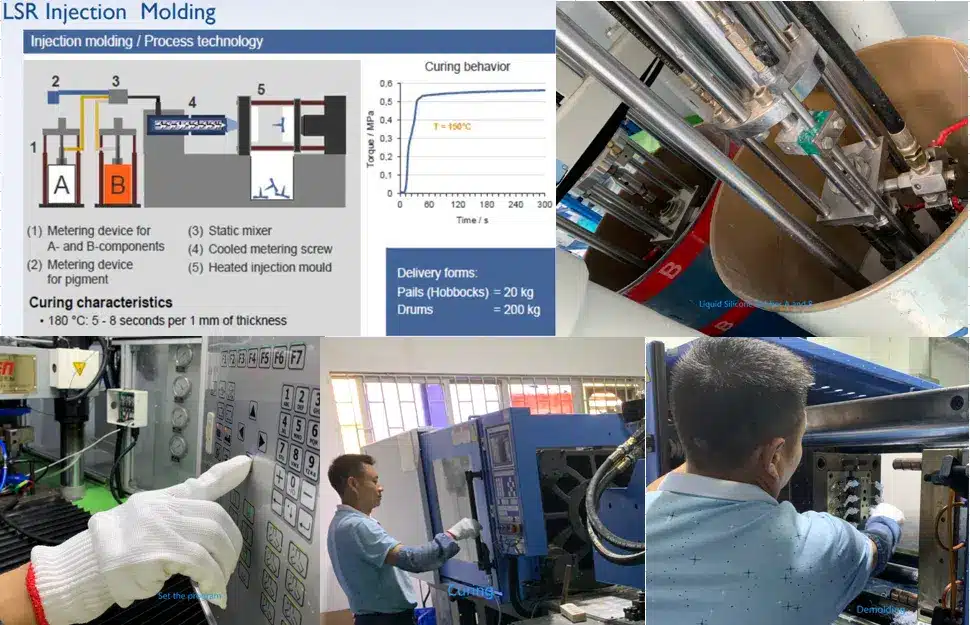
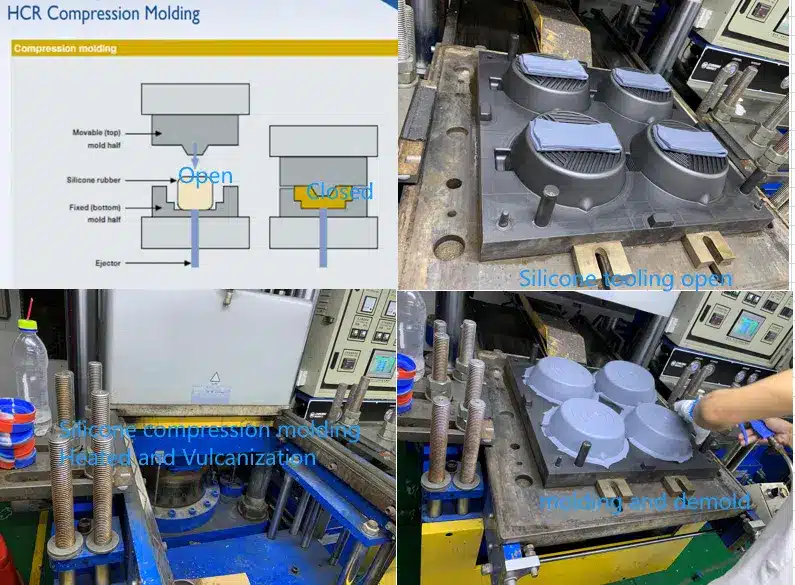
The prepared raw materials are injected into the mold and pressed at a temperature of 170±2°C. The curing time is controlled according to the thickness of the product (1.5 minutes per millimeter of thickness). After molding, the product must be immediately cooled to prevent deformation due to high temperature.

Deburring and Trimming
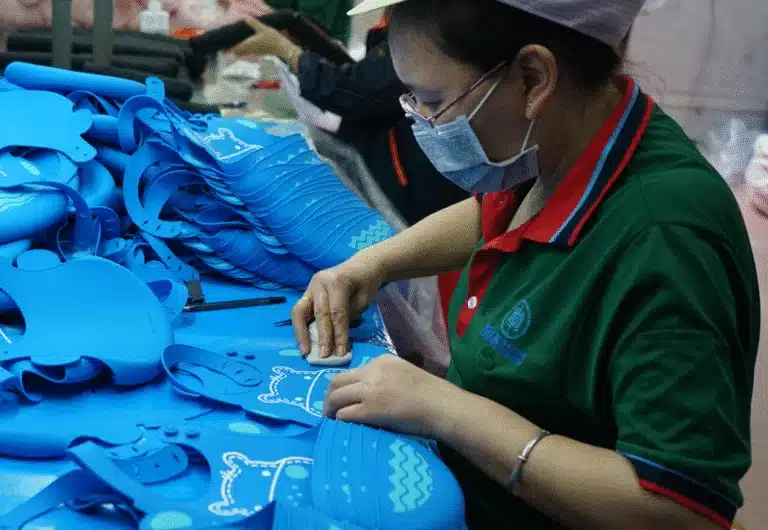
After demolding, remove excess burrs and trim the edges with shears to ensure a smooth, burr-free finish.

Screen Printing
Use screen printing technology to print patterns or text in designated locations, enhancing the aesthetics of your product.

Surface treatment and inspection
Plasma cleaning is used to remove mold release residue. Dimensional accuracy (±0.005mm) is inspected using a projector, and particulate contamination is screened (particles >0.3μm, ≤100/cm²).
Quality Control
Final products undergo 100% inspection to ensure they are free of deformation, stains, and meet FDA food safety standards.
We, JUTION, are a one-stop custom silicone product manufacturer and silicone molding solution provider specializing in the field of silicone products. If you want to customize silicone products, please contact us.
How to purchase the right silicone placemat?
Safety:
Before purchasing, parents can check whether the placemat has a safety certification.
Design:
The fun animal shapes make mealtimes more enjoyable for babies, the cartoon patterns add a touch of childlike innocence, and the beautiful colors stimulate baby’s appetite.

Details:
Check the accessible edges of the placemat carefully to ensure there are no sharp edges or points that could pose a threat to your baby.
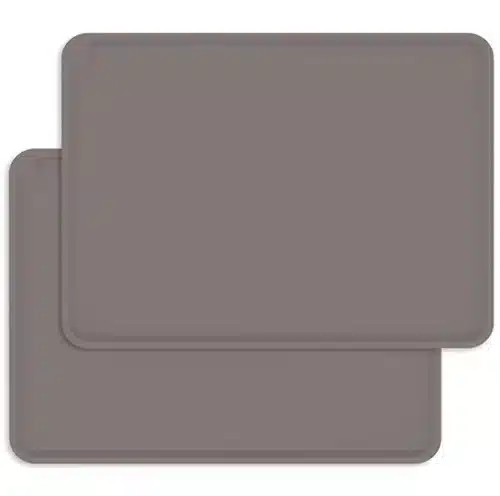
Size and thickness:
When purchasing, we need to choose the appropriate specifications according to actual needs. Choosing the right silicone mat can better meet our needs.

How to control the quality of silicone placemats?
Raw Material Control
Material Certification: Food-grade silicone must be FDA/LFGB certified. Medical-grade silicone must pass ISO 10993 biocompatibility testing.
Key Performance Testing: Upon arrival, we test for volatile matter (≤0.5%), hardness deviation (±2 Shore A), and Mooney viscosity (40-60 MU) to ensure the purity of the material.

Production Process Control
Vulcanization Process: A PLC control system is used to monitor temperature (±2°C), pressure (8-15 MPa), and time (t90 + 10%) in real time to ensure complete vulcanization and the absence of bubbles.
Venting Design: The mold is equipped with 0.5-1 venting grooves per square centimeter, with a depth of 0.03-0.05 mm, to prevent air accumulation within the colloid.
Safety and Performance Testing
Chemical Safety: Residual concentrations of heavy metals (such as lead and cadmium) must be 30%-50% lower than food safety standards. Infant and toddler products must comply with EU EN71-3 standards.
Physical Performance: High-temperature resistance (100°C continuous heating for 240 hours without deformation) and low-temperature resistance down to -30°C without breakage. Elastic recovery rate must be no less than 85% of that at room temperature.
Finished Product Acceptance Criteria
Dimensional Accuracy: Side length tolerance ≤ 1 mm, 3 mm for industrial-grade applications. Thickness tolerance controlled within ±0.2 mm.
Appearance Inspection: Surface free of bubbles, cracks, or white spots. Color uniformity without clumping or spots.
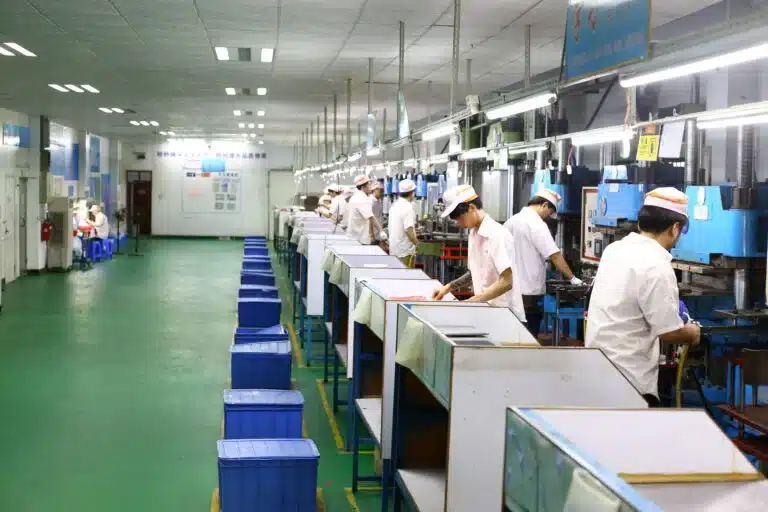
We at JUTION provide our partners with full support from idea to market launch, and are the preferred partner of leading silicone product brands and retailers.
How to use silicone placemats correctly?
First, clean the surface of your table, ensuring it’s free of dust and debris. Wait until it’s completely dry before applying the silicone mat.
Next, place the silicone mat on the surface of the table, pressing it gently to adhere more firmly to the surface. Ensure the outer edge of the mat is completely in contact with the surface and in close contact.

Finally, check the silicone pad regularly. After long-term use, the silicone pad may age or deform. If it is found to be damaged or deformed, it should be replaced in time.

How to clean silicone placemats?
Tools and Materials:
You’ll need the following tools and materials: warm water, neutral detergent, a soft-bristled brush, and a towel.
Cleaning:
Place the silicone mat in the sink and soak it in warm water for about 5 minutes to loosen food residue and dirt.
Add an appropriate amount of neutral detergent to a bowl of warm water and stir well.
Pour the neutral detergent solution onto the silicone mat and gently scrub the surface with a soft-bristled brush to thoroughly remove food residue and dirt. (For stubborn stains, apply a little more pressure before scrubbing)
After scrubbing, rinse the silicone pad with clean water, making sure to rinse away all neutral detergent and residue.
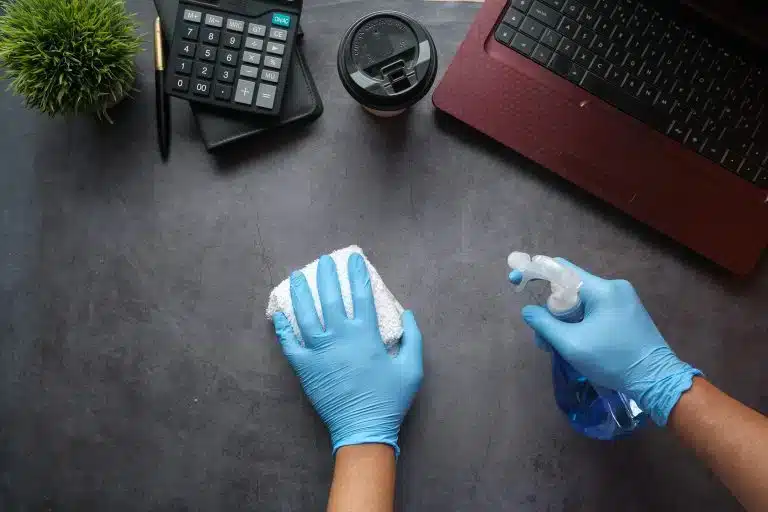
Drying:
After cleaning, gently wipe the surface of the silicone mat with a towel, or place it in a well-ventilated area to dry.
Storage:
After drying, store the silicone mat in a dry place away from direct sunlight and moisture.

Conclusion
Babies not eating well is a big headache for parents. In fact, all problems can be solved by choosing a good eating tool for babies – silicone placemats. Silicone placemats are an important tool for modern independent feeding. They can stimulate babies’ interest in eating, effectively promote the development of their eating skills, and let them enjoy the real fun of food as they please. When purchasing silicone placemats, quality and safety are the basis. Parents should choose according to the baby’s age, eating ability and usage scenarios to maximize product value and user experience.


