Silicone bowls vs. plastic bowls Which one is the best choice for babies
As a professional who has been deeply engaged in the field of silicone materials for many years, I have witnessed how silicone materials have reshaped the landscape of maternal and infant products with their unparalleled safety and functionality. As a person with a baby, I have been confused and anxious about choosing tableware for my baby like other parents. In this era of information explosion, there are a wide variety of tableware made of various materials, and the health and safety of babies are the most concerned issues for every family. Today, based on a large amount of scientific data, user feedback and professional experience, I will give you an in-depth analysis of the pros and cons of silicone bowls and plastic bowls, the reasons why silicone bowls are most suitable for infants and young children, as well as the precautions and cleaning and maintenance methods when purchasing them.
If you are interested in silicone bowls or want to know more about them, please read this article.
What are silicone bowls and plastic bowls?

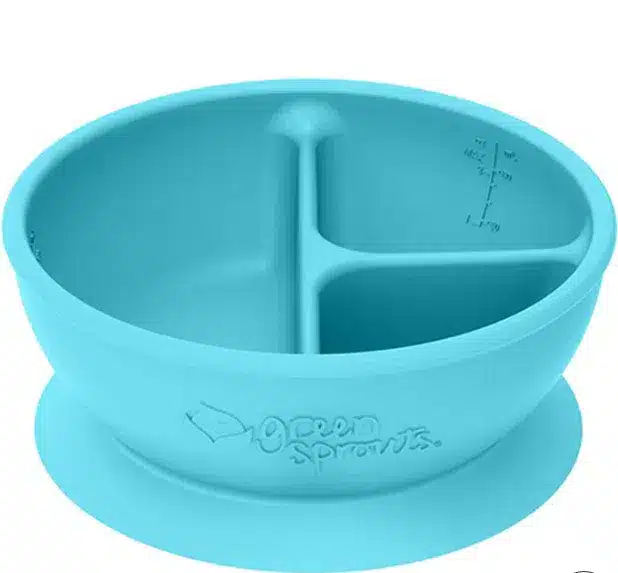
Silicone bowls are made of food-grade silicone as the main raw material and are formed by high-temperature molding.
They are non-toxic and odorless, have stable chemical properties, and have excellent softness and temperature resistance. They are specially used for placing food and drinks.

Plastic bowls are usually made of plastic materials such as PP (polypropylene) and PE (polyethylene) through injection molding.
They have high hardness and low price.


Why are silicone bowls the best choice?


Who are suitable to use silicone bowls and plastic bowls?
Silicone bowls
Safety-conscious families with newborns:
Silicone bowls are chemically stable, non-toxic, odorless, and soft, making them suitable for parents who prioritize their baby’s safety.
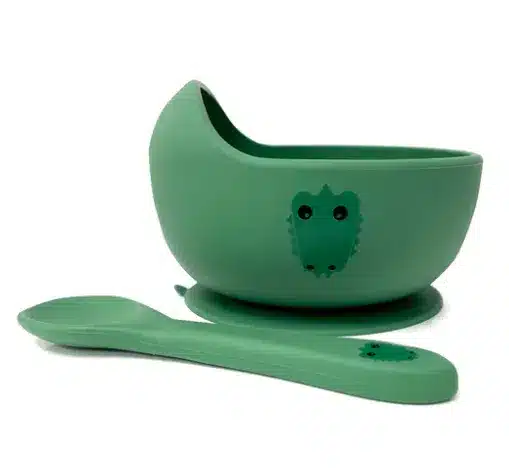
Babies in the stage of self-feeding:
Babies who have just started to learn to eat independently may have their tableware knocked over or dropped. Silicone bowls are stable and not easy to slide. Even if they fall, they will not break, which can effectively assist children in eating.
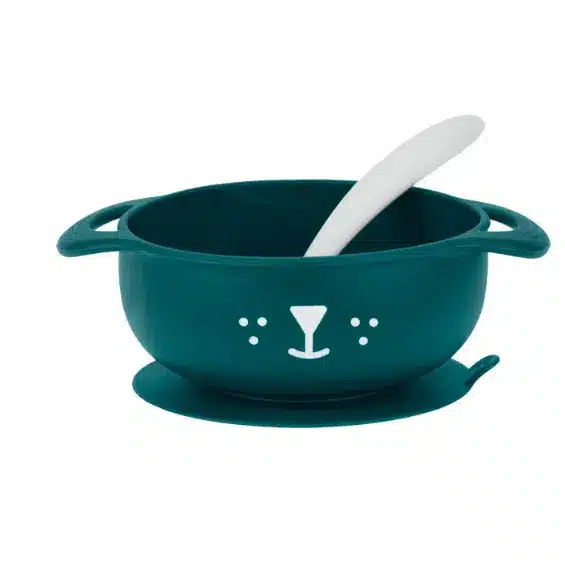
Plastic Bowls
Families on a Budget:
Based on price alone, most plastic bowls are advantageous and suitable for those on a tight budget.
For Short-Term Use:
While plastic bowls may not be as high-quality, safe, or environmentally friendly as silicone bowls, they are a viable option for temporary use.

If you want to know more about silicone products, please contact us JUTION.
When is it appropriate to use silicone bowls vs. plastic bowls?
Silicone Bowl
For solid food feeding:
Babies aged 4-6 months are starting to eat solid food. This silicone bowl is soft, non-slip, and ergonomically designed for easy handling, making feeding easy for both parents.
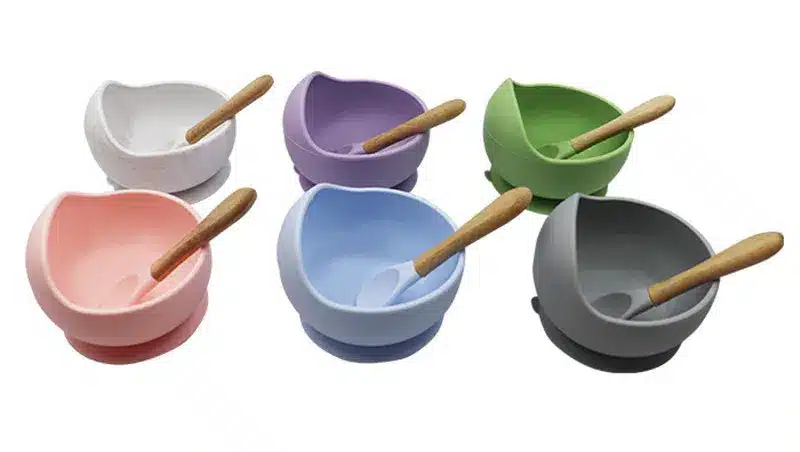
Self-feeding:
When babies first learn to use tableware, they are likely to drop it on the ground and break it.
If you use silicone tableware, you won’t have this problem.
Special silicone tableware is conducive to cultivating the baby’s hands-on ability and promoting flexible finger movements.
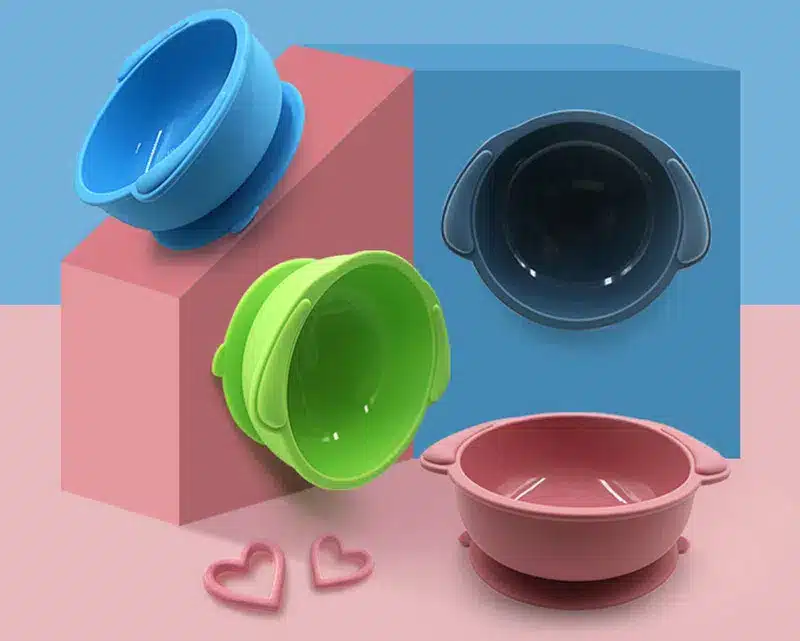
plastic bowl
For older children:
Compared with silicone bowls, plastic bowls are less safe and may pose a health threat to younger infants and young children.
However, for older children with strong immunity, using plastic bowls is OK.
Short-term use or limited funds:
Plastic bowls are cheap and suitable for wholesale when the budget is limited; although the quality of plastic bowls may not be good, they can be used temporarily.

How to produce silicone bowls and plastic bowls?
Silicone Bowl Production Process
Raw Material Processing: Food-grade silicone is used, and color customization is achieved through masterbatch mixing to ensure a non-pungent odor.
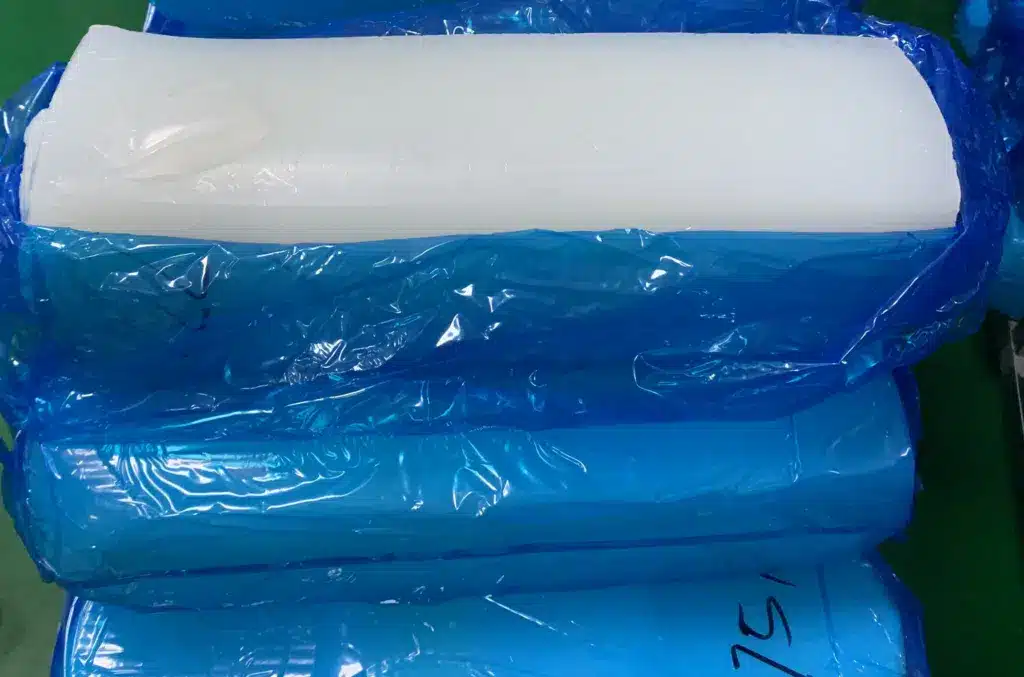
Mold Design: Design a silicone mold based on the product’s shape, taking into account the positioning of the plastic and silicone components for integrated molding.
Molding Process: Silicone raw material is injected into the mold and cured at high temperature (usually around 170°C) to set the material in shape.

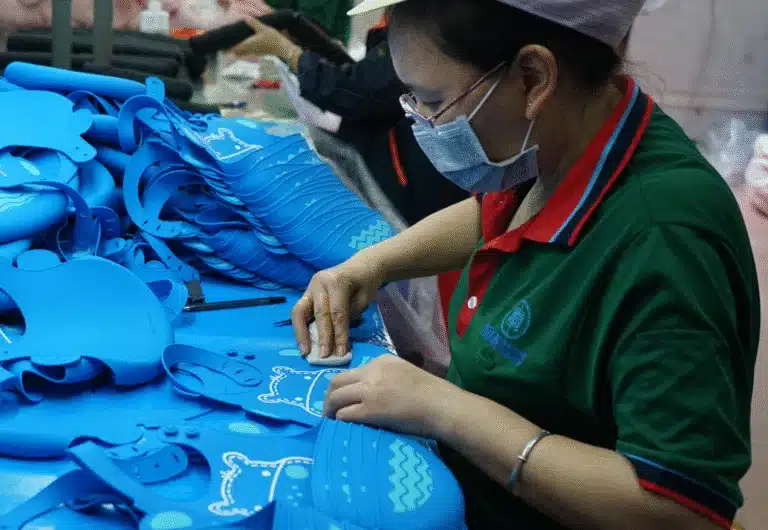
After molding, the product undergoes rough edge treatment and quality inspection to ensure there are no cracked edges or black spots.
Surface Treatment: Some products may be finished with a smooth or frosted finish to enhance the feel and appearance.
Plastic Bowl Production Process
Raw Material Melting: Plastic pellets are added to the injection molding machine’s hopper and heated until molten.
Injection Molding: Molten plastic is injected into the mold cavity under high pressure, where it is fixed to the desired shape by a cooling system.
Insert Integration: If a metal insert is required, the insert is secured in place using vacuum or mechanical means to ensure proper material integration.
Post-Processing: After demolding, a visual inspection is performed to remove defective products.
JUTION is a one-stop custom silicone product manufacturer and silicone molding solutions provider specializing in silicone products. If you would like custom silicone products, please contact us.
How to choose the right bowl for your baby?

How to control the quality of silicone bowls and plastic bowls?
Raw Material Control
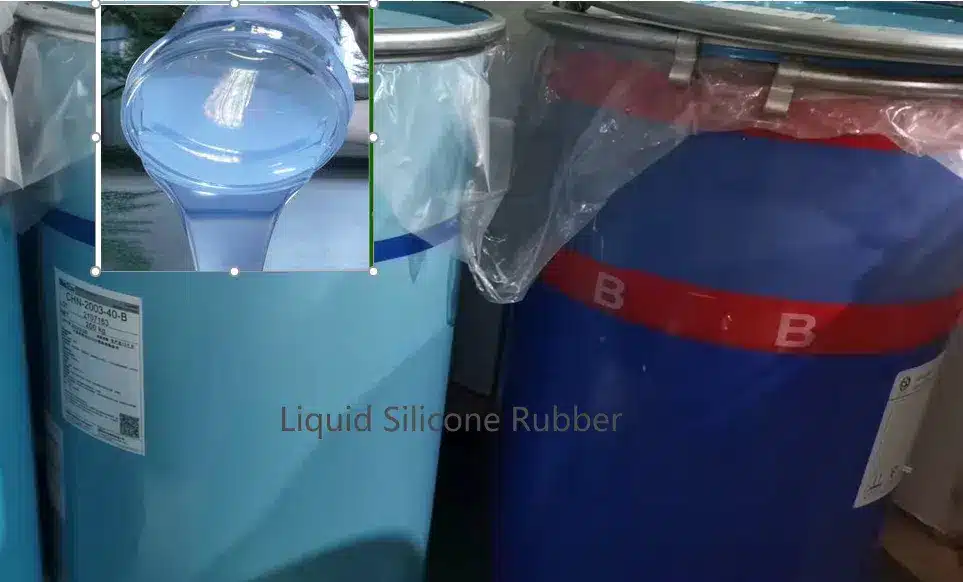
Silicone bowls: Food-grade silicone (FDA/LFGB certified) must be used. Raw materials must be tested for indicators such as volatile matter (≤0.5%), hardness deviation (±2 Shore A), and Mooney viscosity (40-60 MU) before entering the factory.
Plastic bowls: Environmental certification (such as ROHS) is required. Raw materials must be tested for heavy metal content (Pb ≤1 mg/kg) and potassium permanganate oxygen consumption ≤10 mg/kg.
Production Process Control
Silicone bowls: Use a compression molding process, requiring precise mold temperature control (160-180°C for solid silicone, 170-210°C for liquid silicone). Designed with 0.5-1 vent grooves per square centimeter, with a depth of 0.03-0.05 mm.
Plastic bowls: Use injection molding, ensuring a stable melt temperature to prevent material degradation.

Vulcanization and Post-Processing
The silicone bowl vulcanization process utilizes a PLC control system, with real-time monitoring of temperature (±2°C), pressure (8-15 MPa), and time (t90 + 10%). Secondary vulcanization requires a 4-hour oven treatment at 200°C.
Plastic bowls must be produced in a sterile workshop to prevent impurity absorption.

Testing and Certification
Chemical Safety: Silicone bowls must pass a total migration test (≤60 mg/kg for infants and young children, ≤10 mg/dm² for adults). Plastic bowls must meet a total migration test of ≤10 mg/dm².
Physical Properties: Silicone bowls must withstand temperatures from -50°C to 200°C and have a tear strength of ≥25 kN/m. Plastic bowls must pass a high-temperature test (≥120°C).

We at JUTION provide our partners with full support from idea to market launch, and are the preferred partner of leading silicone product brands and retailers.
How to clean and maintain the bowls?
Before use, clean the bowl according to the instructions in the manual to ensure it is free of dust and maintains a clean, hygienic appearance.
After use, rinse promptly with a soft cloth and neutral detergent (do not use harsh cleaning tools such as coarse cloths or steel wool), then rinse thoroughly with clean water.

After cleaning, wipe it dry or place it in a cool place to drain. Do not expose it directly to the sun to avoid fading or yellowing, which will affect its appearance and durability.
What are the precautions for using silicone bowls?
Plastic bowls are not heat-resistant, so it is recommended to use them under the conditions specified on the label and avoid using them for steaming.
Plastic is also not wear-resistant, so use a soft cloth when cleaning, not steel wool or a brush.
Silicone bowls easily absorb odors and should be cleaned promptly after use.
After cleaning, wipe them dry or place them in a cool place to drain.
Do not stack them wet to prevent mold, discoloration, and deterioration.
Do not expose them directly to the sun to prevent fading or yellowing, which affects their appearance and durability.

Conclusion
Tableware for babies must be safe and easy to use! Silicone bowls are significantly superior to plastic bowls in terms of material safety and durability, drop resistance, temperature resistance, and ease of cleaning, making them a safer choice. Although plastic bowls are cheaper per unit, silicone bowls offer a higher overall cost-effectiveness when considering their service life and safety. When using bowls for babies, choose bowls that are suitable for them, taking into account aspects such as material safety, design functionality, color patterns, and cleaning and disinfection. Choose a set of suitable tableware for your baby so that they can grow up healthily and happily while enjoying delicious food.