
Baby Teether Recommendation – Silicone Baby Teether
As an experienced expert in the silicone industry, I’m well aware of the special requirements for baby teethers in terms of material selection and production processes. Teething is a critical stage in infant growth, and choosing the right teether not only alleviates discomfort but also impacts their health and safety. Based on my professional experience, combined with industry data, customer feedback, and social media analysis, this article will comprehensively analyze the key points for silicone baby teethers, as well as purchase precautions and cleaning and maintenance methods. If you are interested in silicone teethers or want to learn more about them, please read this article.
What is silicone teether?
Silicone teether is made of safe and non-toxic silicone as the main raw material.
It is a chewing tool specially designed for infants and young children in the teething period.
It has the effect of massaging the gums and can also promote the baby’s eye-hand coordination, thereby promoting the development of intelligence and giving the baby psychological satisfaction and a sense of security.


(1) Basic Silicone Teether
This simple design is made from a single silicone material and may have textured or raised surfaces.
It’s suitable for babies in their early stages of teething and with weaker grip.

(2) Massage and Soothing Type
The surface features densely packed raised dots or wavy patterns, providing friction and relief for gum swelling and pain.
(3) Multifunctional Type
Combining a teether with other features (such as a rattle), it caters to both teething and entertainment needs, suitable for babies aged 6 months and older.

(4) Stage-Specific Type
Designed for different stages of tooth eruption (e.g., incisors and molars), with varying shapes and hardness (a slender design facilitates chewing during the front teeth stage; a wide, thick, flat design is suitable for back teeth grinding during the molar stage).
(5) Portable Type
Comes with a chain-stop feature, making it suitable for use on the go or when your baby’s grip is unstable.
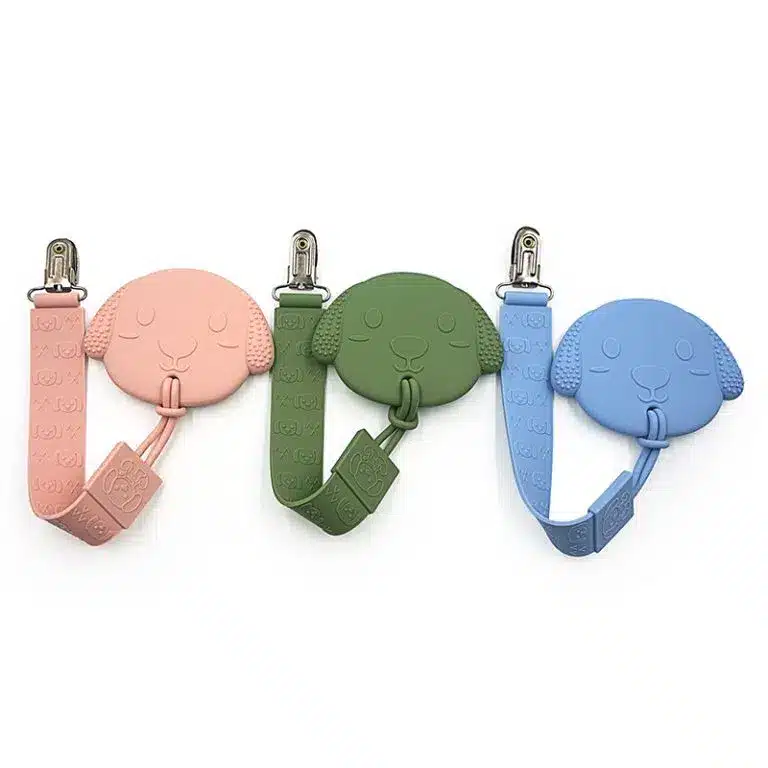
According to the 2023 Global Baby Teether Market Report, silicone teethers have reached a 65% market share, with an annual growth rate of 14.8%, making them the safest teether material preferred by parents.
If you require a customized silicone teether, please contact JUTION.
Why are silicone teethers suitable for babies?


Who should be concerned about silicone teethers?
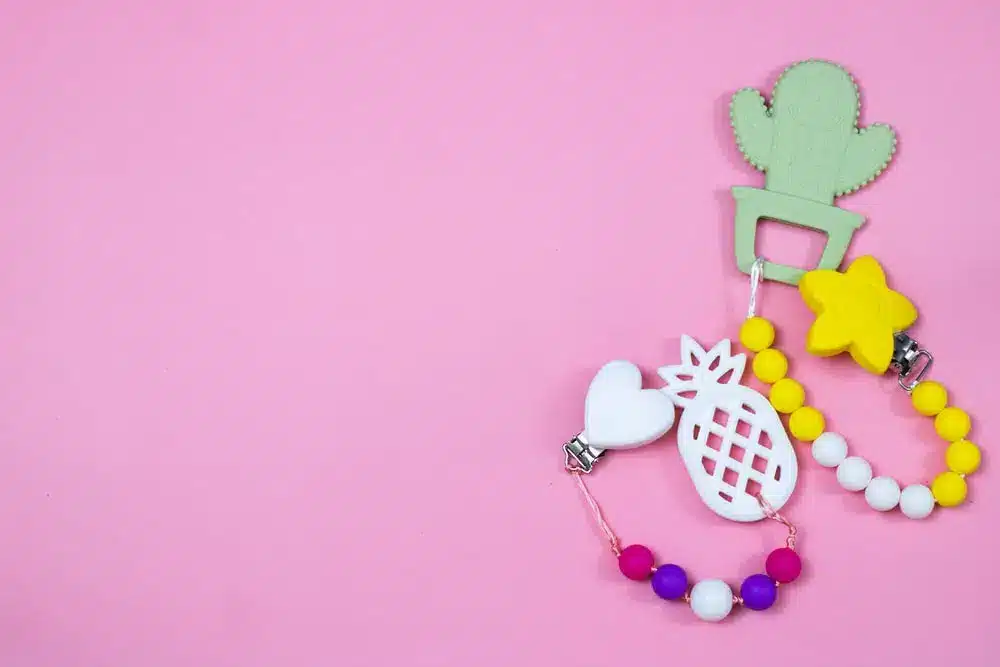
When is the best time to use silicone teethers for babies?
Silicone teethers are suitable for babies during their teething stages. When teething, gums may swell and ache, and gums may feel uncomfortable, it’s recommended to use a teething product like a teether.
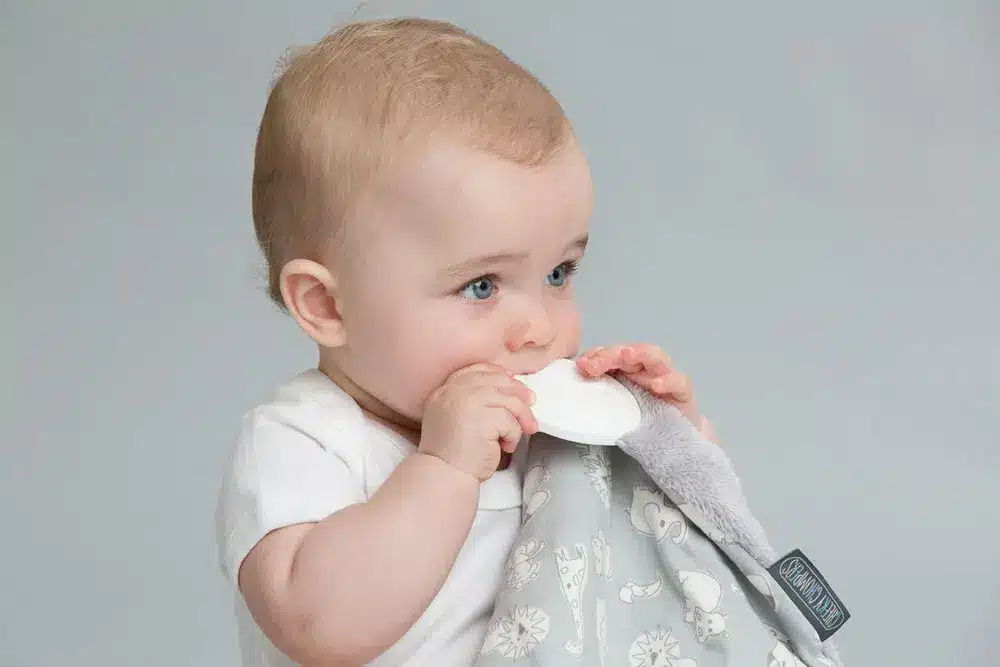
Pre-teething (3-4 months): Introduce when drooling and finger biting begin.
Teething (6-8 months): Increased use is necessary when gums become noticeably red and swollen.
Molarization (12 months+): Continue using teethers as the back molars erupt.
Sucking and chewing on teethers not only relieves gum pain but also helps develop fingertip control. It also helps prevent babies from eating dirty or dangerous items, strengthens their chewing skills, and promotes eye-hand coordination, thereby boosting their intellectual development.
At JUTION, we support our partners’ silicone products from conception to market launch. We are the preferred partner for leading silicone product brands and retailers.
What are the usage scenarios of silicone teethers?
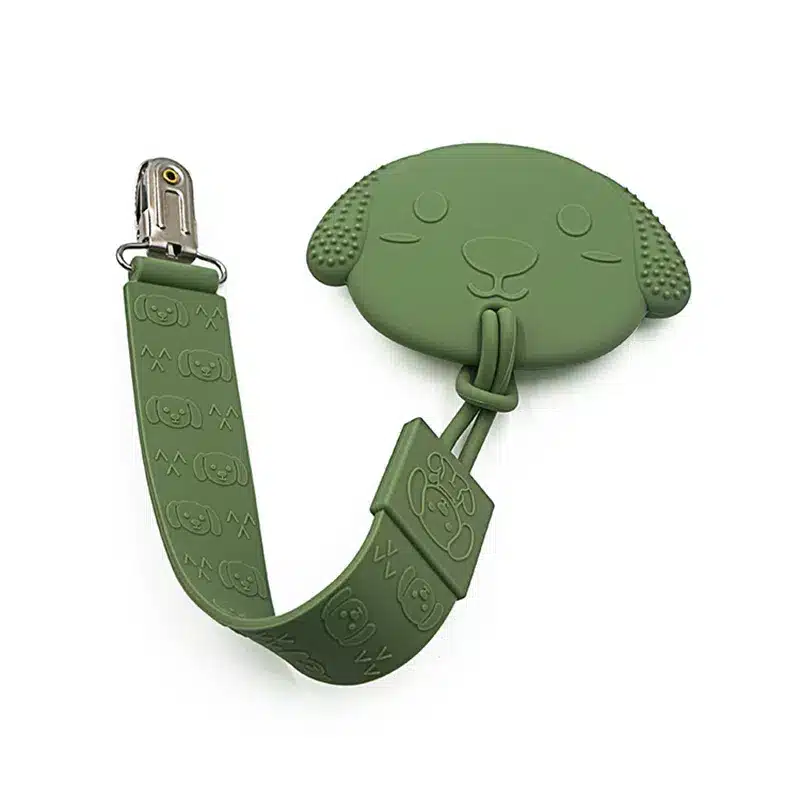
- Daily Use at Home: Silicone teethers can be used by teething babies to massage their gums, promote blood circulation, and alleviate teething discomfort. They can also serve as a toy for babies who are upset or lonely.
- Portability: Silicone teethers are compact and lightweight, making them easy to store and carry. Even when you’re out and about, you can use them to relieve gum redness, irritation, and chewing.
- Daycare center: By sucking and chewing teethers, babies can coordinate their hands and mouths, thereby promoting further development of intelligence. It is a good early education teaching aid.
How are silicone baby teethers produced?
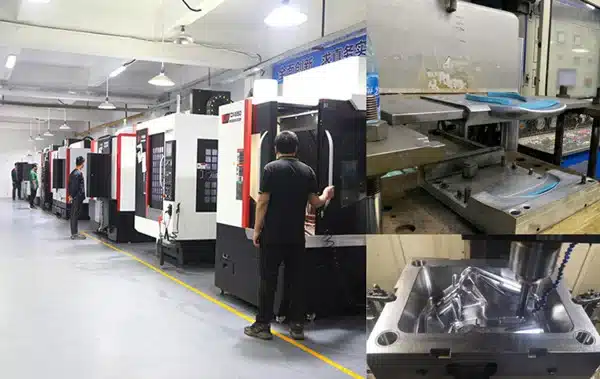
The production process of silicone teething gel primarily includes key steps, including raw material preparation, mold making, pouring and vulcanization, finished product processing, and quality inspection:
Raw Material Preparation
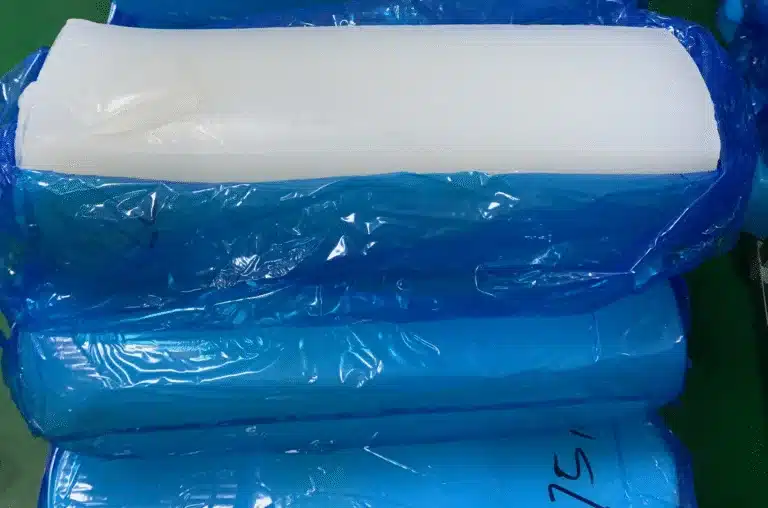
Mix the silicone material and curing agent in the correct proportion (usually 1.5% curing agent), stir thoroughly, and set aside.
Mold Making
Mold Release: Lubricate the dental mold base and surrounding wooden strips with a release agent to ensure smooth demolding.
Mold Assembly: Frame the base with wooden strips, creating a 2-4cm gap. Position the pouring point and slowly pour the silicone, shaking the base to remove air.
Plaster Pouring: After the silicone has cured, surround it with wooden strips again and inject plaster powder to create the final mold.
Pouring and Vulcanization
Slowly pour the prepared silicone along the fixed point, continuously shaking to remove air. Curing is complete after 60 minutes.

Finished Product Processing
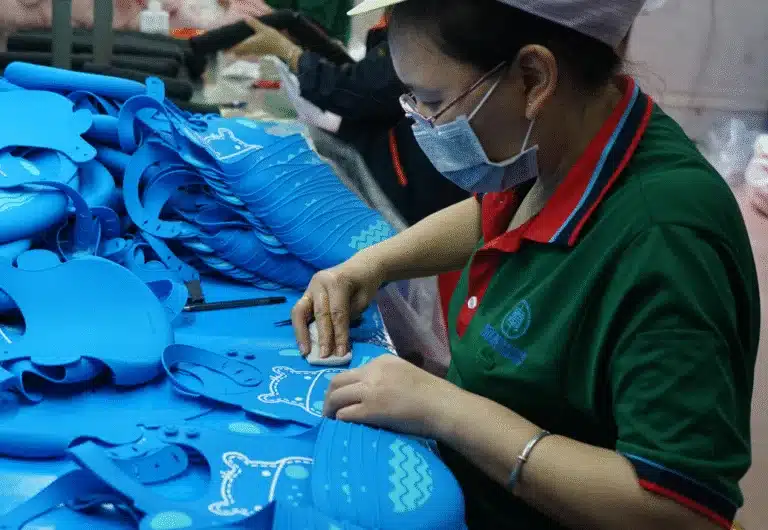
The wood strips and plaster molds are removed, and the finished product undergoes post-processing, including flash removal and plasma cleaning, to ensure a smooth, impurity-free surface.
Quality Inspection
Physical Properties: Tensile Strength >8MPa, Tear Strength >20kN/m
Chemical Safety: FDA, LFGB, and REACH certified
Use Tests: Torsion and Tensile Test (withstands 50N tensile force), Bite Test
How to control the quality and safety of silicone teethers?
Raw Materials and Production Standards
Material Selection: Food-grade silicone must be used, FDA/LFGB certified, ensuring it is non-toxic and odorless.
Production Requirements: Reputable manufacturers must be ISO-certified. The production process must pass biocompatibility testing (such as cytotoxicity testing) and undergo high-temperature deodorization (≥4 hours) to eliminate residual processing aids.
Production Process Control
Temperature Control: Curing temperature must be precise (±2°C), pressure maintained at 8-15 MPa, and time controlled within the t90 + 10% range to ensure sufficient molecular chain relaxation.

Venting Design: The mold should be equipped with venting grooves of 0.5-1 per cm², with a depth of 0.03-0.05 mm, to prevent air bubbles and volatile residue.
Product Testing and Certification
Certification Standards: LFGB, FDA, and ROHS certifications must be passed. Defective products with burrs and air holes are eliminated to ensure chemical safety and environmental friendliness.
How to purchase the right silicone baby teethers?
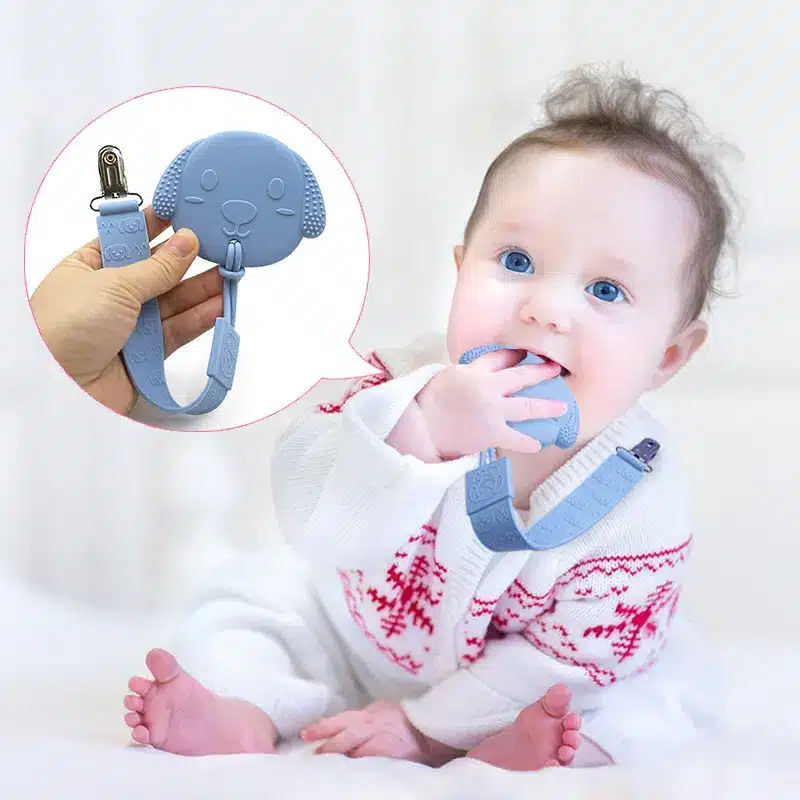
JUTION manufactures silicone products for various industries, including consumer, industrial, and medical. We are recognized for providing them with innovative custom silicone products, manufacturing expertise, and technical solutions.
How to clean and maintain silicone teethers?
Before first use, rinse thoroughly with clean water to remove dust and bacteria that may have accumulated during production and transportation. Wash the teether with warm water and a edible detergent before and after each use, then rinse thoroughly with clean water and wipe with a clean towel. After thoroughly cleaning, store the teether in a cool, dry place to prevent mold. (When cleaning and disinfecting, strictly follow the teether’s instructions to avoid damaging the teether.)
Inspect the teether carefully before and after each use. If any damage is detected, replace it immediately.
Conclusion
Silicone baby teethers are an ideal choice for teething infants and toddlers, representing a high-potential market opportunity for brands and businesses. Their safety and functionality have been scientifically validated. When choosing a teether, parents should carefully consider their baby’s preferences, the age-appropriate design, and the practical functionality of the teether. Only by choosing the right teether can your baby enjoy a comfortable teething experience.


