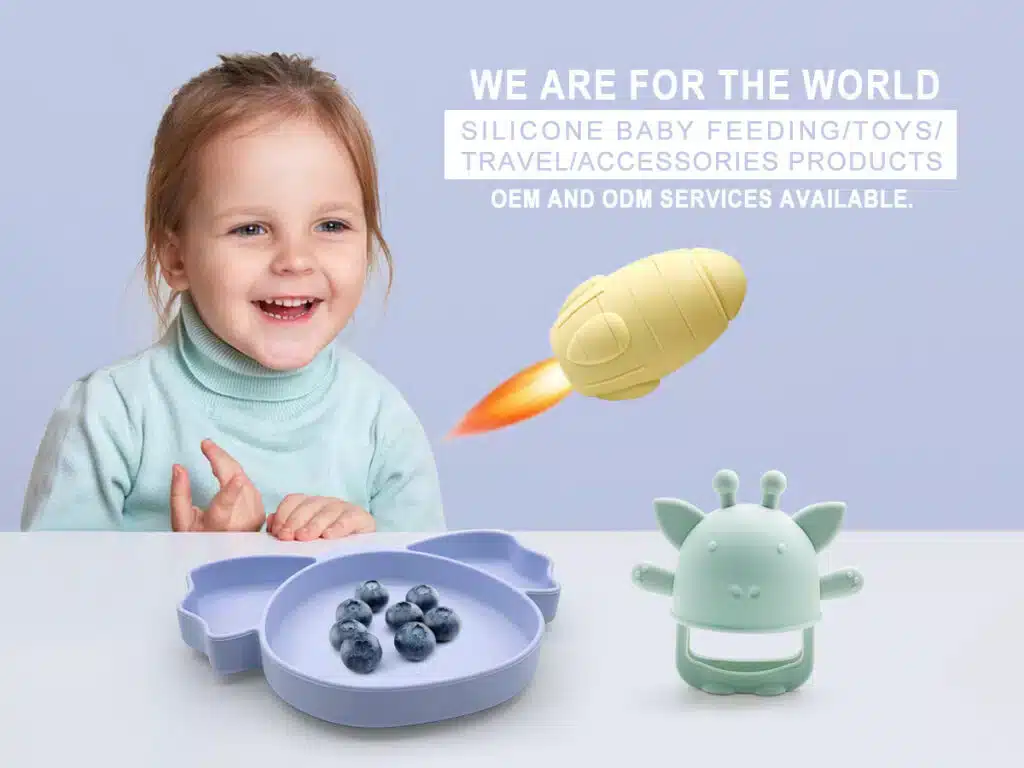
Early education and intelligence-enhancing silicone teether rattle
I am a senior practitioner who has been deeply involved in the silicone industry for many years. Over the years, I have witnessed how silicone materials have developed from a single industrial use to a magical medium that empowers the early develo pment of infants and young children. Today, we will focus on a product that combines function and wisdom-a silicone teether rattle. Nowadays, more and more parents are beginning to pursue multi-purpose parenting tools with early education functions. Silicone teether rattles not only have the function of “grinding teeth”, but can also be used for vocal entertainment, which perfectly combines the physiological needs of the teething period with the psychological needs of sensory, cognitive, and motor development. This article mainly introduces the definition and target users of silicone teether rattles, the reasons why infants and young children need it and the specific applicable time, as well as precautions and cleaning and maintenance methods when purchasing. If you are interested in silicone teether rattles or want to know more about it, please read this article.
What is a silicone teether rattle?
The Silicone Teether Rattle combines a silicone teether and a hand rattle into one.
Made from the softest food-grade silicone, it features a multi-textured, concave-convex surface that is safe and gentle on your baby’s gums.
It’s perfect for soothing sore gums and aiding in the development of visual, auditory, and fine motor skills.


Why choose silicone teether rattles?

The quality of plastic rattles on the market varies greatly. Many cloth rattles are monotonous in color and may not capture a baby’s interest. Wooden rattles are heavy and generally not recommended for babies who are confined to lying down.
Safe, non-toxic, soft silicone not only protects baby’s gums when biting, but also eliminates the risk of their hands slipping and injuring themselves.

The sound of the rattle can help babies distinguish sounds and identify directions.
The bright colors of the silicone teether rattle can attract babies’ attention, help babies perceive colors in their early stages, and promote faster brain development.
If you want to customize a unique silicone teether rattle, please contact us JUTION. We will provide you with the most loyal service and the most affordable price.
Who are the applicable targets and users of the silicone teether rattles?
Infants and young children are the primary users of silicone teether rattles.
Grip training is essential for fine motor development in infants and young children. Whether or not this grip is properly developed directly impacts many future life skills. Silicone teether rattles are ideal for babies just starting to practice gripping, as they can help their fingers become more flexible.

When the baby starts to teeth, the gums will be very uncomfortable. Baby can chew the teether to relieve the discomfort of the gums and promote the development of the teeth.
When and in which stages should the silicone teething rattle be used?
Babies aged 4 to 6 months: Babies in the teething period will bite all kinds of things randomly. Parents should not blindly stop their babies, but help them choose a suitable teether to soothe their emotions and relieve discomfort. Choose a silicone rattle so that you can let your baby chew it without worry and relieve the discomfort of the teething period.
Babies aged 2 months to 1 year: Babies begin to explore the world through their mouths. Babies in the oral stage enjoy sucking their hands and even their feet, and they love to bite anything they can get their hands on. This shows that they are curious about the world, and chewing provides a sense of security, making it a form of self-play. Parents should not stop this behavior! It’s best to prepare a safe and harmless silicone rattle teether, which not only satisfies your baby’s oral needs but also supports their brain development.

For more information on silicone products, please contact JUTION.
Where is the best place to use the silicone teether rattles?
- For daily use at home: Teething babies can chew on silicone teething rattles to relieve teething discomfort and prevent bad habits like biting their fingers. Parents can also use the rattles to interact with their babies and strengthen their emotional connection.
- Early childhood education institutions: Silicone teething rattles serve multiple functions: a teether, a rattle, and an early childhood education toy. Through color, sound, and shape, they stimulate brain development and provide multiple uses.
- Traveling: The silicone teether rattle is small and light, easy to store and carry. Babies who are anxious or bored during travel can use it to pass the time and relieve their emotions.


How to produce silicone teether rattles?
Raw Material Preparation
Mix the solid silicone rubber in an open mixer (temperature ≤ 45°C) to ensure stable hardness (fluctuation ≤ ±2°). Cut the rubber compound to 1.1-1.2 times the mold cavity volume to prevent material shortages and excessive flash.
Mold Preparation
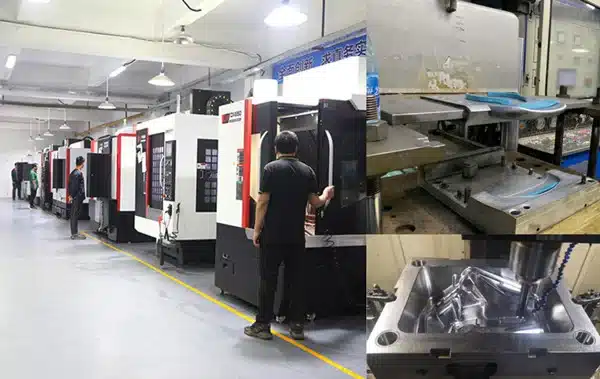
Medical molds must be preheated to 160-180°C (120°C for standard molds) and sprayed with a food-grade release agent (0.5-1.5 mg/cm²). The mold must be precisely positioned and loaded with material, with an error of ≤±0.5%.
Molding Process
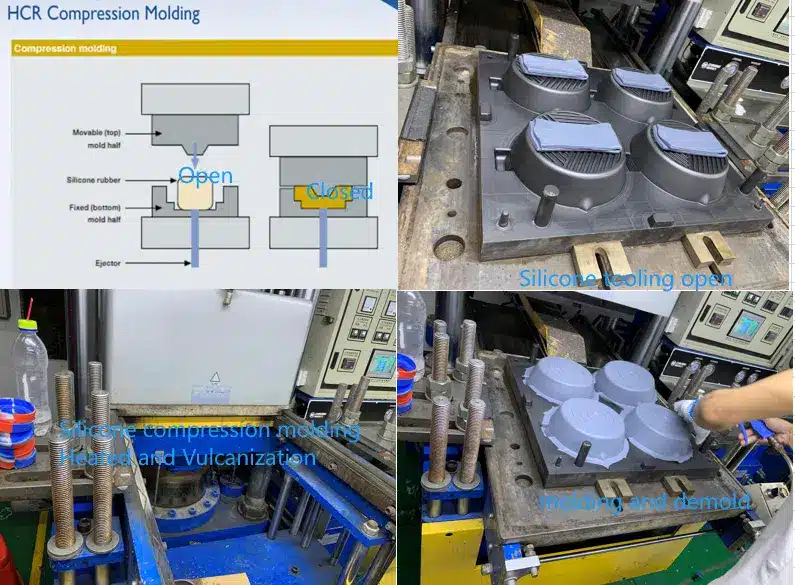
Compression Molding: The rubber compound is placed in a mold. Initially, the pressure is released at low pressure (5-10 MPa), followed by high pressure (15-25 MPa) until the product solidifies.
Vulcanization: The temperature is controlled at 170 ± 2°C, and the curing time is calculated based on the thickest part of the product (1.5 minutes per millimeter of thickness).
Post-processing
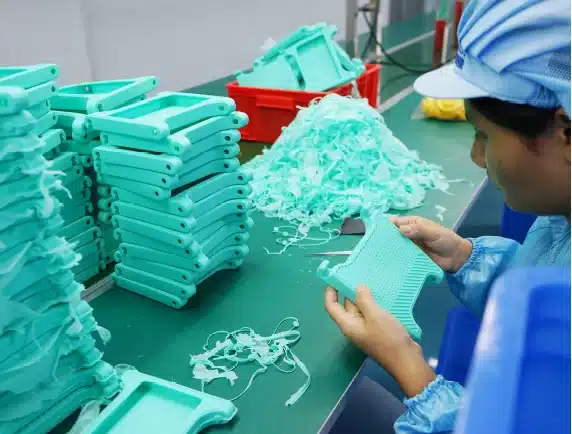
Medical parts need to be removed by a suction cup robot and immediately cooled and shaped, while ordinary parts are directly removed and burrs are trimmed.
Quality Control
Product dimensions are inspected using a projector (accuracy ±0.005mm), and a laser particle counter is used to screen for particles larger than 0.3μm (≤100 particles/cm²).
JUTION is a one-stop custom silicone product manufacturer and silicone molding solutions provider specializing in silicone products. If you require custom silicone products, please contact us.
How to choose the right silicone teether rattles?


How to control the quality of silicone teether rattles?
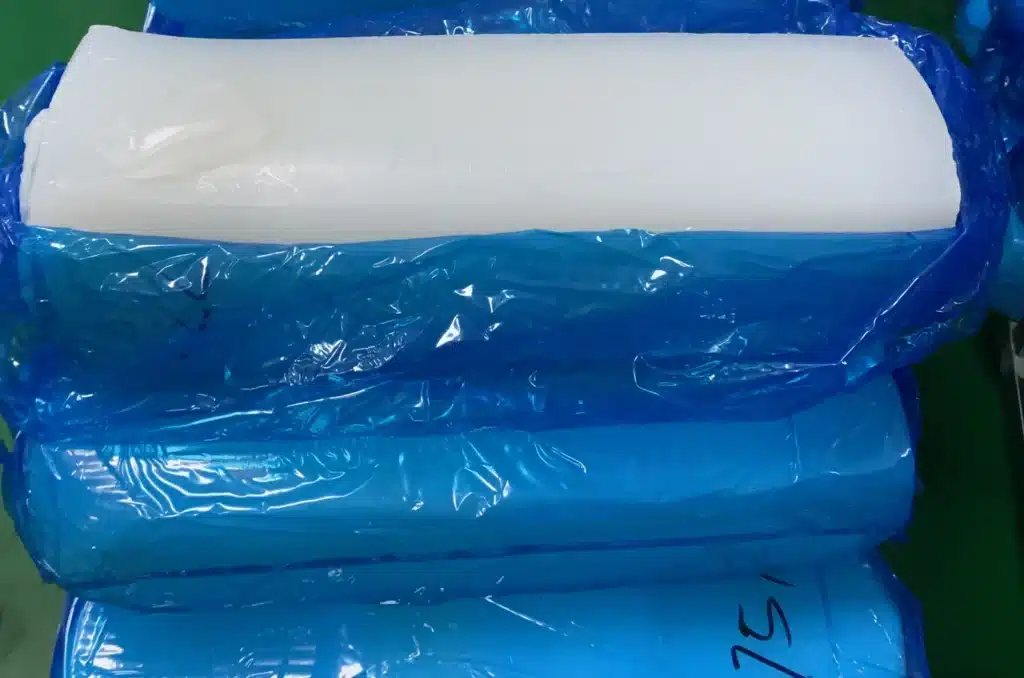
Raw material control
Food-grade silicone (FDA/LFGB certified) must be used. Raw materials must be tested for indicators such as volatile matter (≤0.5%), hardness deviation (±2 Shore A), and Mooney viscosity (40-60 MU).
Product Design Requirements
Entry length ≤ 35 mm to avoid throat discomfort.
Rattle design must be easy for infants and young children to grasp, avoiding sharp edges and corners.
Production Process Control
Mixing Process: Internal mixer temperature 20-25°C, mixing time 8-12 minutes, discharge temperature ≤ 50°C to ensure sufficient molecular chain relaxation.
Molding and Curing: Mold temperature 160-180°C, 0.5-1 venting grooves per square centimeter. A PLC system monitors temperature (±2°C), pressure (8-15 MPa), and time (t90 + 10%) in real time.

Post-processing: High-temperature baking for at least 4 hours to remove odors. The finished product must be cleaned and dried.
Product Inspection Standards
Appearance Inspection: No black spots, impurities, bulges, or color variations.
Safety Testing: Passed acid and alkali resistance, aging resistance, and microbial testing.
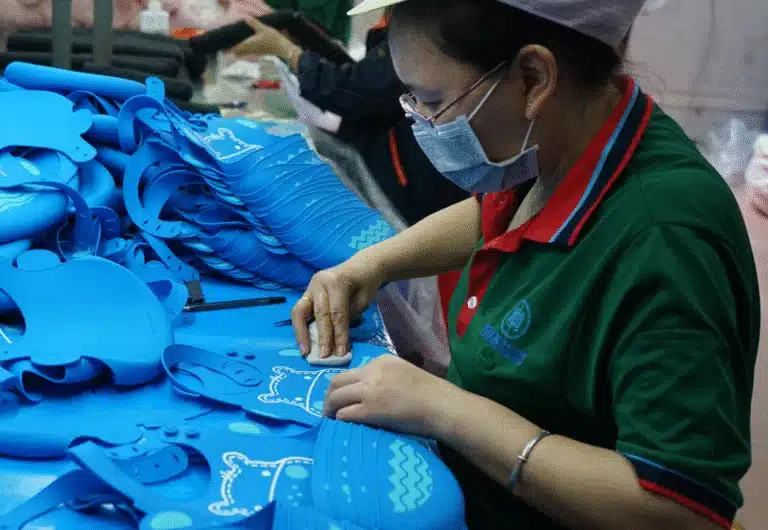
The silicone products produced by our JUTION are suitable for various industries such as consumer goods, industrial products and medical treatment. They are of good quality and you can rest assured to contact us for customization.
How to clean and maintain the silicone baby teether rattle?
Silicone rattle teethers should be cleaned promptly before and after use.
It is recommended to use warm water and cleaning solution to clean them.
Rinse them with water and wipe them with a clean towel before use to avoid any moisture residue.
(Note that there is a small hole on the ball of the rattle model. Be careful not to let water get in when cleaning.)
When not in use, store the toothbrush in a clean, sealed bag or sterilized container.

Carefully inspect the toothbrush before and after each use. If any damage is found, replace it immediately.
Conclusion
Toys play an important role in a baby’s life and learning. Nowadays, many toys focus more on the development of children’s intelligence, and thus are becoming more and more complex. However, the teether rattle stands out with its simple and practical design. Through multiple stimulations of sound, touch and color, it helps promote the baby’s intellectual development. An excellent early education and educational silicone teether rattle is not just a toy, but also a partner for the baby’s growth and a safe choice for parents.