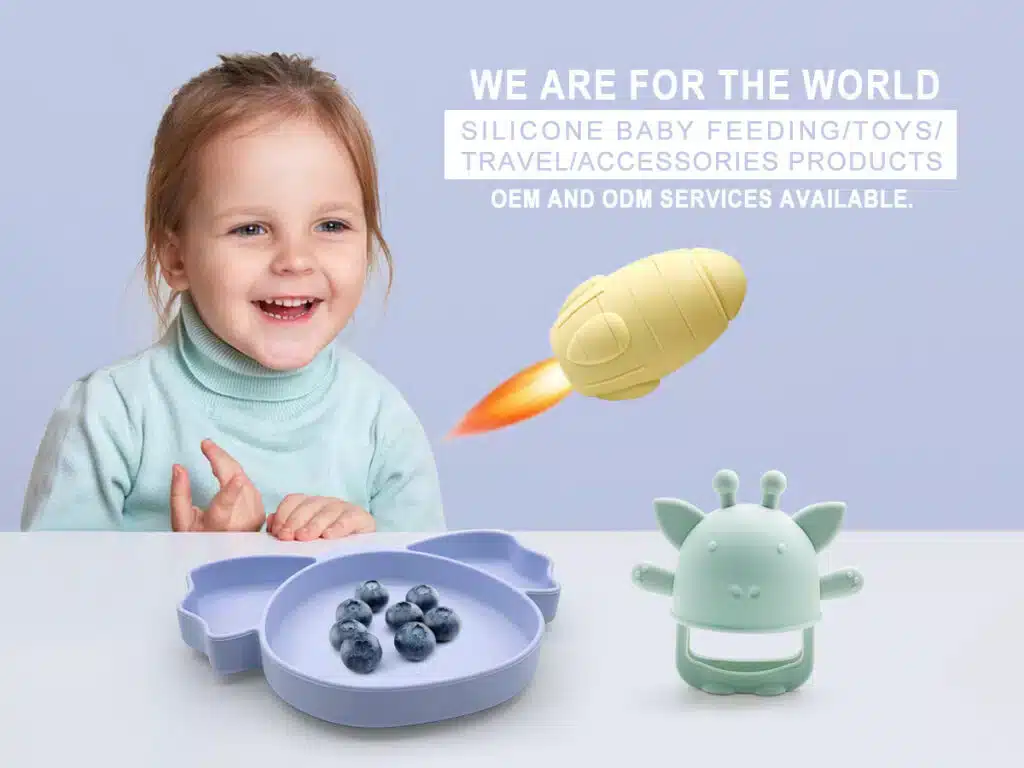
The diversity of silicone toys Stimulating babies’ desire for exploration
As a professional with many years of experience in the field of silicone materials, I have witnessed how silicone materials have reshaped the landscape of maternal and infant products with their unparalleled safety and functionality. During the critical period of a baby’s growth, appropriate sensory stimulation and exploration opportunities are essential for neurodevelopment. Today, we will delve into how silicone toys, through their unique diversity, are an ideal choice for stimulating a baby’s desire to explore. This article mainly introduces the definition and types of silicone toys, why infants and young children need them and their specific application scenarios, as well as precautions when purchasing.
If you are interested in silicone toys or want to know more about them, please read this article.
What are silicone toys?
Silicone toys are made of food-grade silicone materials. They are soft, elastic, feel close to the skin, are non-toxic and odorless, have strong anti-allergic properties, and are easy to clean and disinfect. They are designed with a variety of textures, shapes, colors, and functions. They integrate tactile stimulation, visual training, auditory development, hand-eye coordination, and other functions.
They are especially suitable for infants and young children with sensitive constitutions.


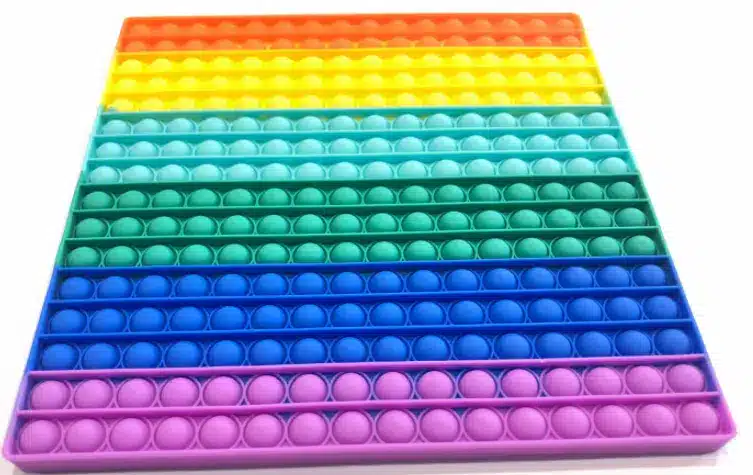
(1) Educational toys (silicone blocks, silicone button toys, etc.)
Each toy can be played with in different ways: recognizing colors, shapes, and sizes, promoting the development of a baby’s cognitive and exploratory abilities.
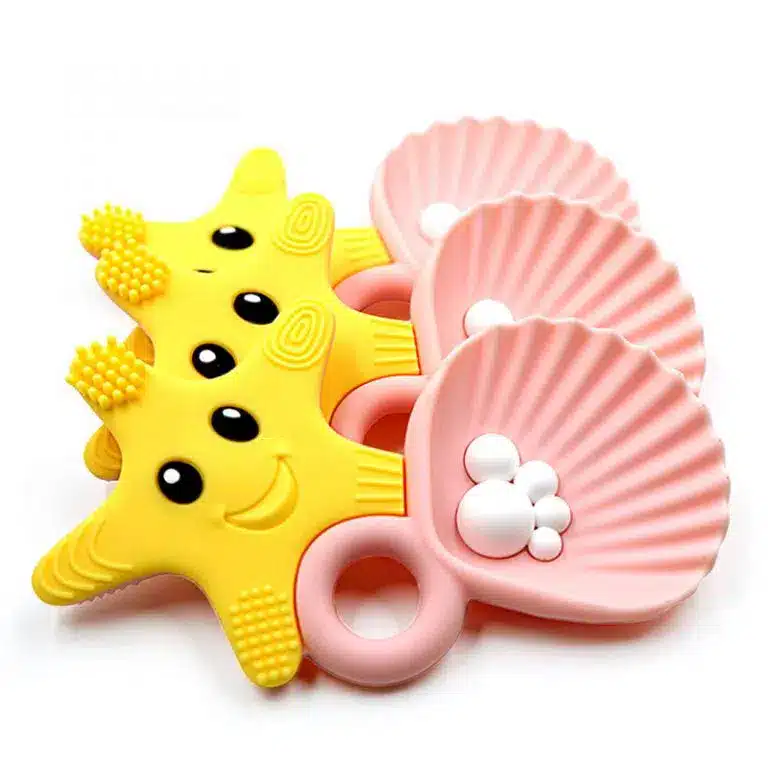
(2) Chewing (Teethers)
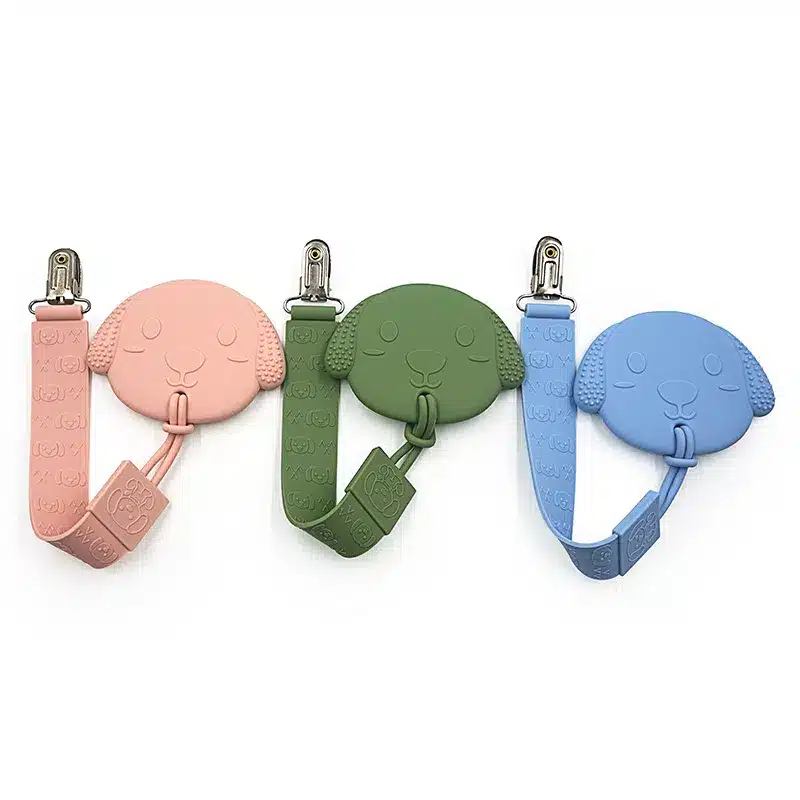
Teethers, such as suckers and silicone spoons, are very suitable for babies this age. They can help them sharpen their teeth and learn to grasp, which can prepare them for solid foods.
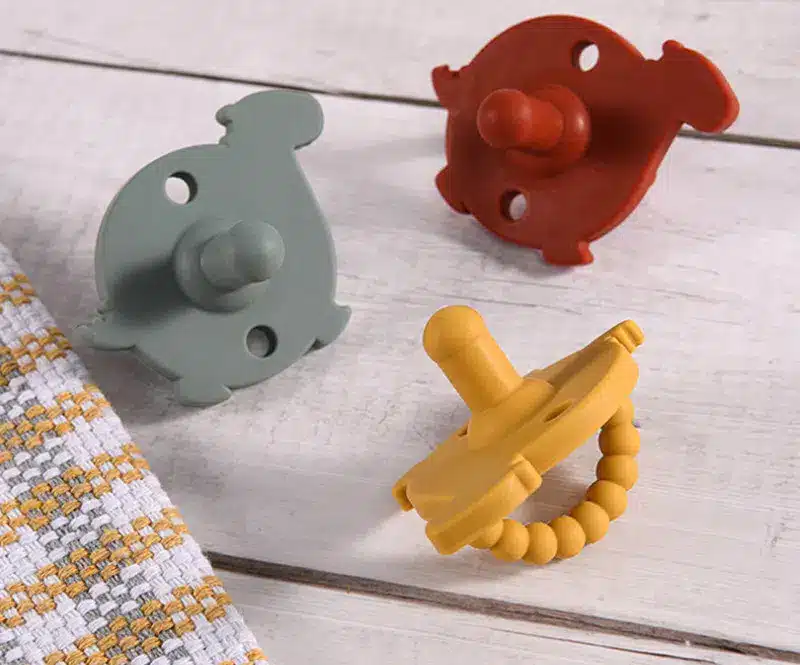
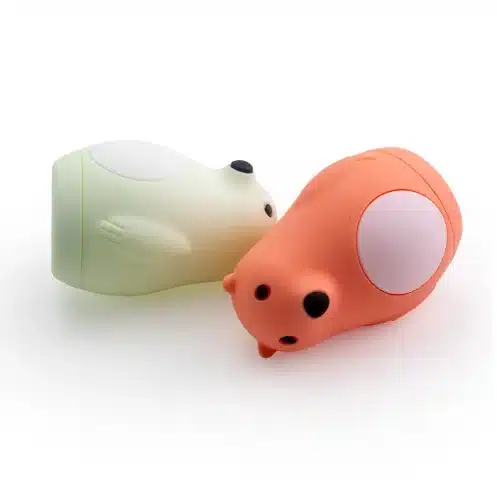
(3) Comfort toys (silicone pacifiers, silicone dolls)
When babies are around 6 months old, you can introduce comfort objects to give them a sense of security and relieve their tension and anxiety.
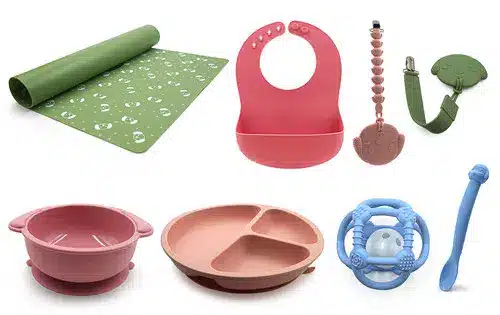
(4) Silicone Grasping Toys (Rattles or Grab Balls)
Made of food-grade silicone, they’re perfect for children practicing grasping. They make a rustling sound when shaken, and can be hung on a stroller or placed in a bag.
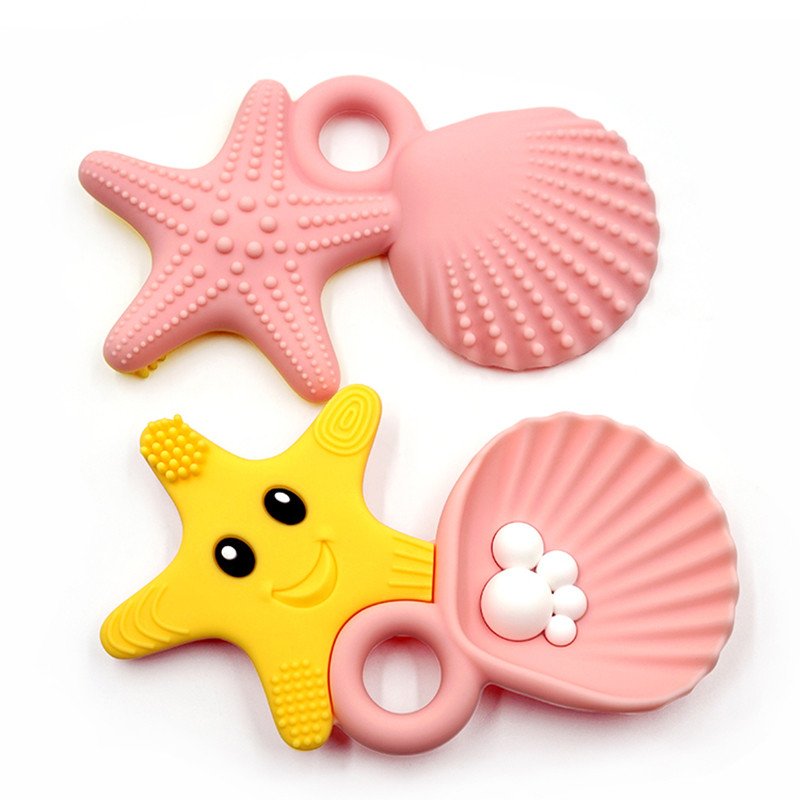


Why do babies need to use silicone toys?
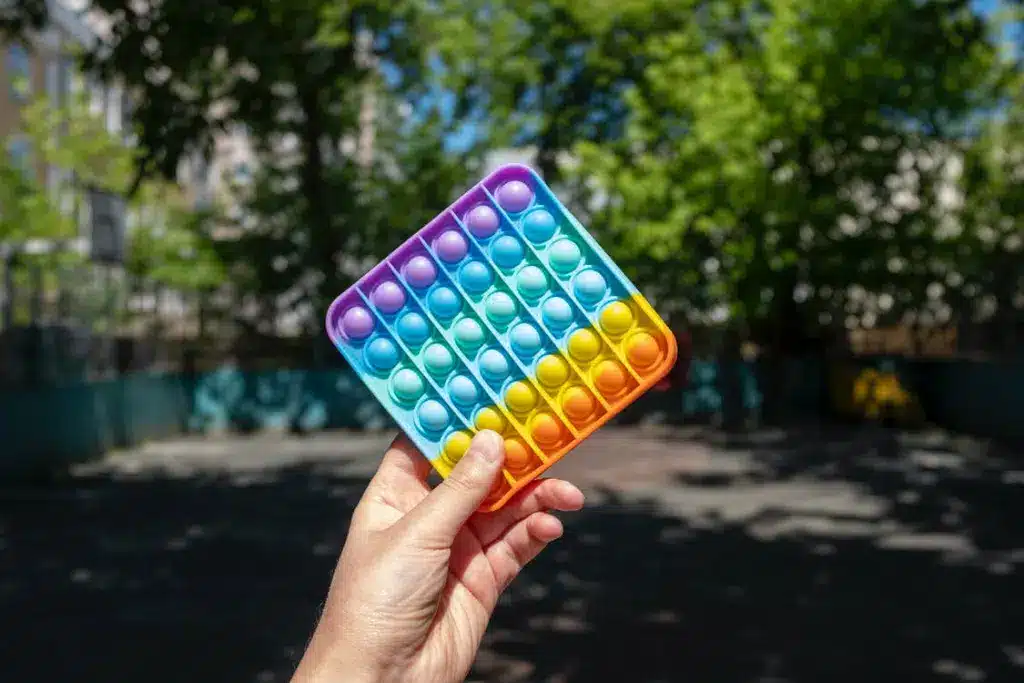
Soft and durable: silicone toys are very soft to the touch, fit the touch of human skin, and are more flexible. They are not as poor in touch and fragile as wooden and plastic building blocks.
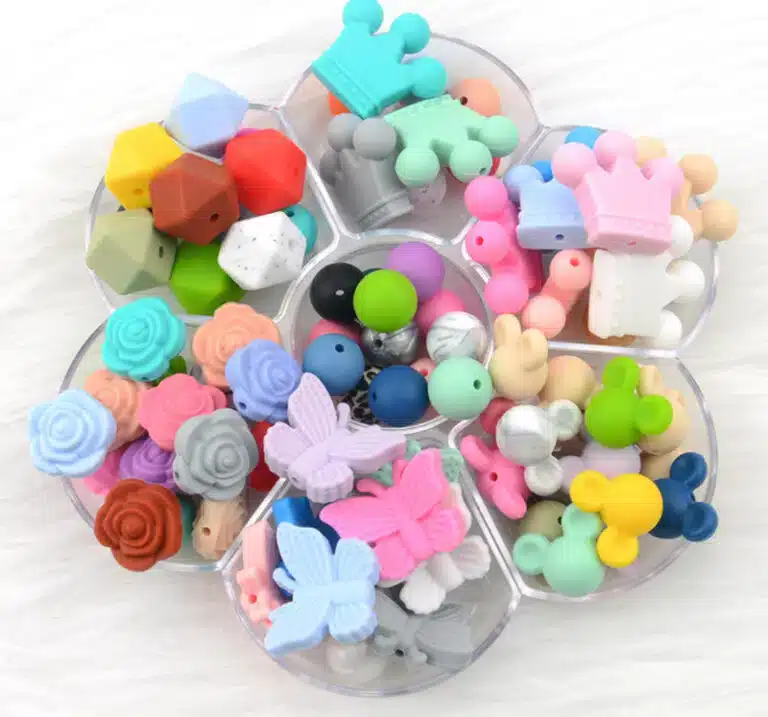
Diverse functions: Silicone toys can help children learn basic concepts such as color, shape, size, etc., stimulate children’s imagination and make learning more interesting.
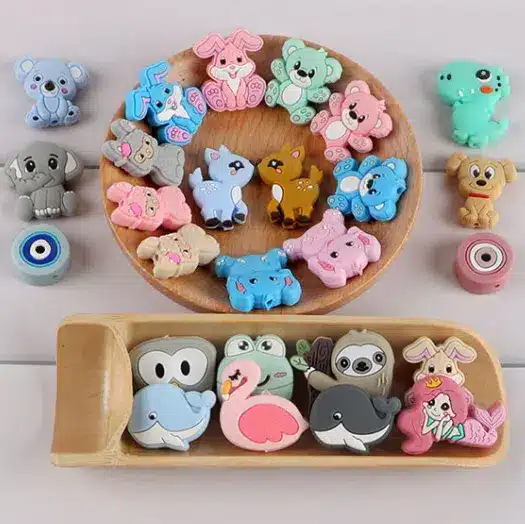
Safe and Harmless: Silicone is a very soft material that effectively protects the baby’s mouth. Silicone is also non-toxic and poses no threat to the baby’s health.
Color and Design: Silicone toys come in a variety of colors and designs to suit the preferences and needs of different children.
Who is interested in silicone toys?
New parents who focus on scientific parenting:
Unlike plastic and plush toys, silicone toys are hygienic and safe, with smooth surfaces that are easy to clean, and textured designs that stimulate children’s sense of touch and vision, promoting cognitive development while playing.
Early childhood education institutions:
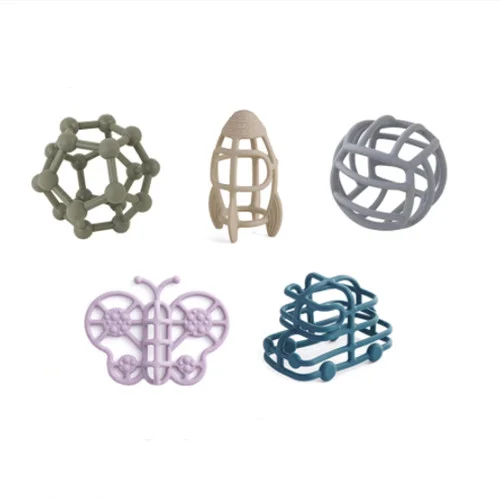
Silicone toys have diverse functions, rich colors, and different texture designs on the surface. They can attract children’s attention, stimulate their vision, touch, and hearing, and promote sensory development.
If you want to know more about silicone products, please contact us JUTION.
When is it appropriate to use silicone toys?

Infancy:
Babies like toys with bright colors and soft sounds. For example, silicone rattles, with bright colors, can attract babies’ attention, and the crisp sound can stimulate their auditory development.

Preschool:
At this time, the baby’s hands-on ability is enhanced. Simple silicone puzzles can exercise their observation and hands-on ability; building blocks allow babies to build various shapes and use their imagination.
Children over 5 years old:
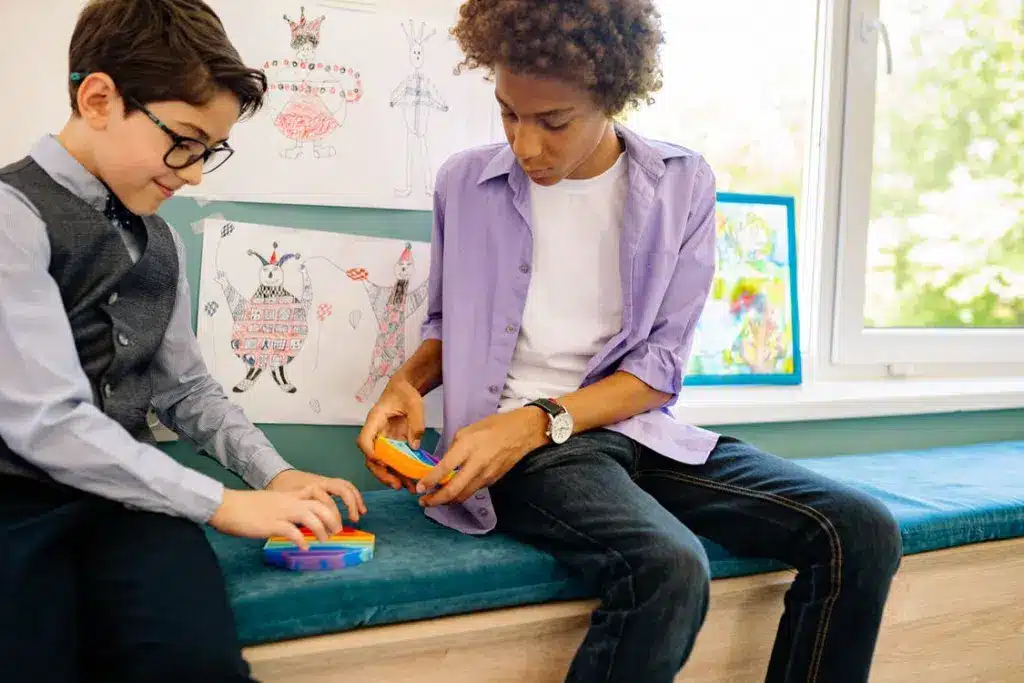
This stage is suitable for more complex toys, such as detachable and reassembled silicone toy sets or decompression and kneading toys, which can stimulate their interest in exploration.
Where are silicone toys suitable for use?
Crib:
Silicone toys can be hung above the crib, allowing babies to reach out, touch, and grasp them, helping to improve their grasping skills and hand-eye coordination.
Bathroom:
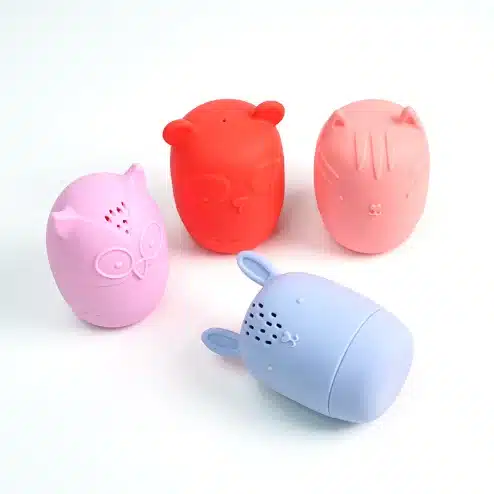
Silicone toys can be played with during bathtime, making the bath more enjoyable and engaging.

Outdoor activities:
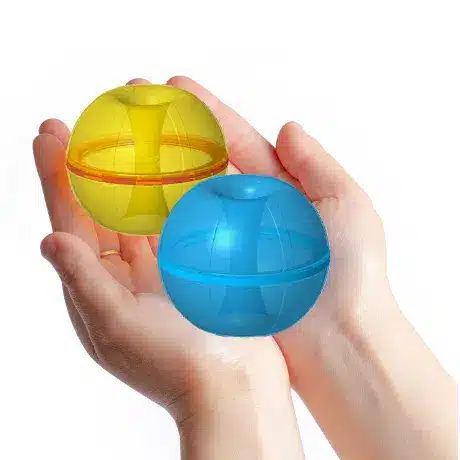
When taking your baby out to play, you can hang silicone toys on the stroller or put them in your bag. When necessary, your baby can touch the toys to soothe his emotions and learn about the surrounding environment while playing.
If you want to customize silicone products, please contact us JUTION.
How to produce silicone toys?
Material Preparation
The primary raw material is silicone (such as food-grade silicone). Different mold hardnesses (e.g., 20° or 40°) are selected based on the product’s characteristics. Auxiliary materials such as vulcanizers and color pastes are also used.
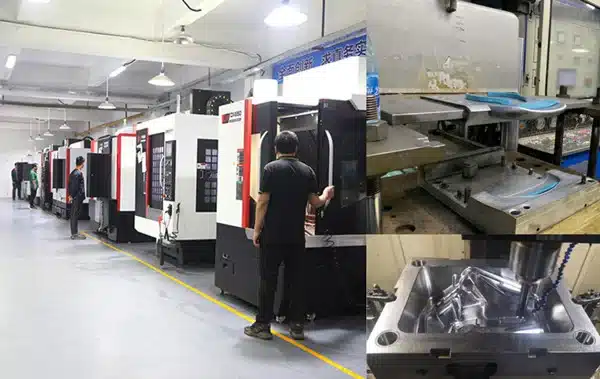
Mold Production
According to the product design drawings, precision molds are produced using CNC machines or engraving techniques to ensure dimensional accuracy and durability.
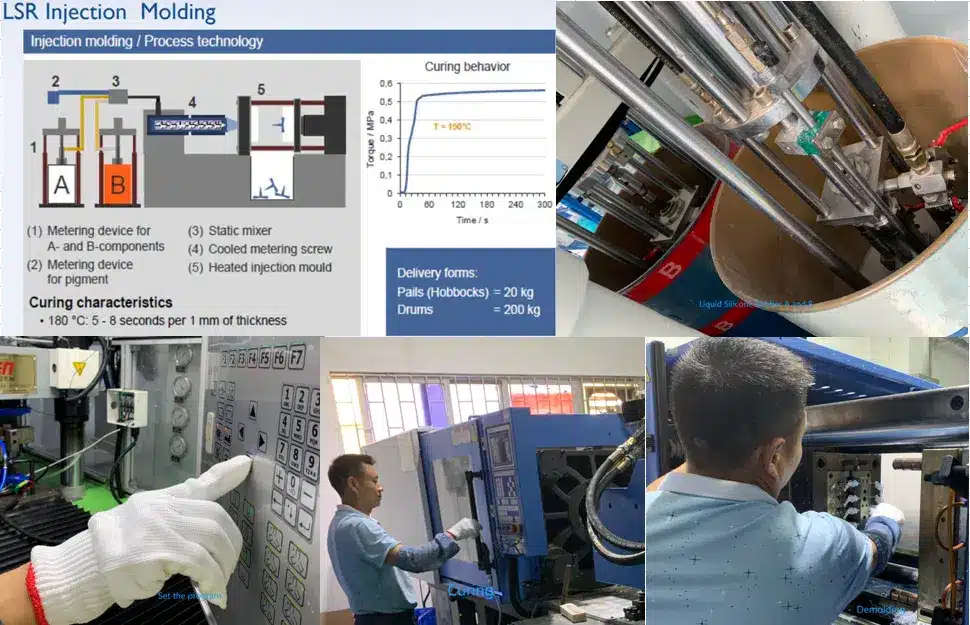
Vulcanization molding
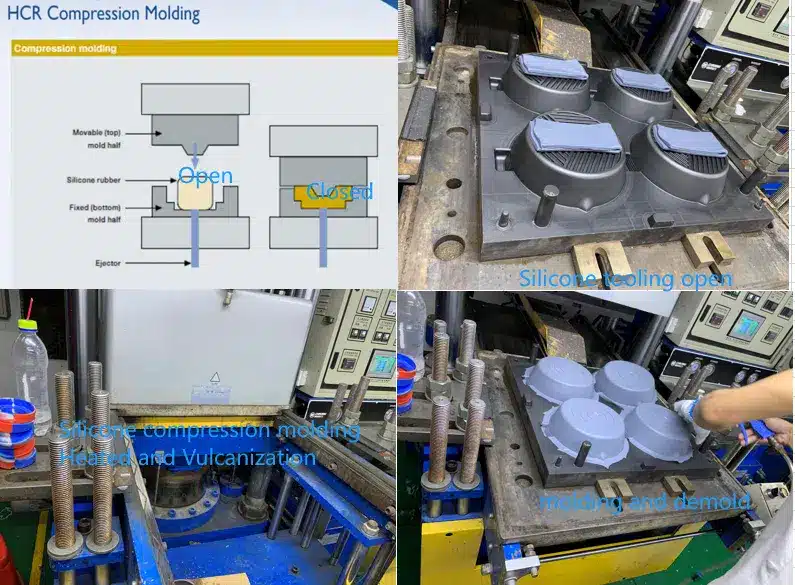
The mixed silicone material is injected into a mold and then heated and pressurized in a vulcanizer to form the product. Temperature, pressure, and time parameters must be strictly controlled (e.g., at 25°C, the operating time is approximately 30 minutes, and full curing takes 2-3 hours) to avoid product defects.
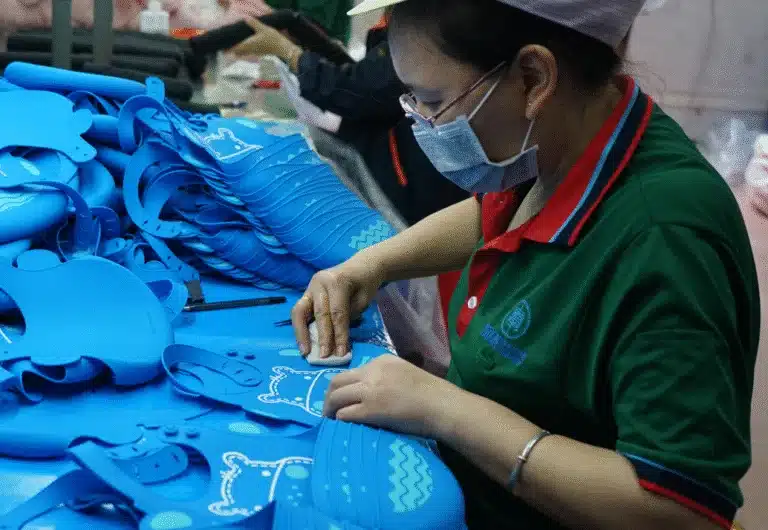
Post-Processing
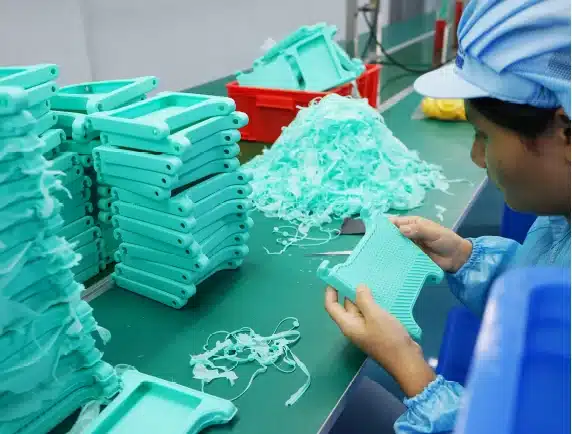
After molding, the product requires trimming of rough edges, grinding and polishing. Some products may require freezing to remove the cloak. For food-grade silicone, secondary vulcanization is required to remove low-molecular compounds to ensure odor-free and stable performance.
Quality Inspection
Finished products are tested for appearance, dimensions, hardness, and durability to ensure compliance with safety standards.
JUTION is a one-stop custom silicone product manufacturer and silicone molding solutions provider specializing in silicone products. If you would like custom silicone products, please contact us.
How to purchase the right silicone toys?

Word of mouth:
When purchasing, make sure that the silicone toys have a complete quality inspection system to ensure safety and quality. When purchasing online, you can read other people’s reviews and recommendations to understand the actual use of the toys.
Material safety:
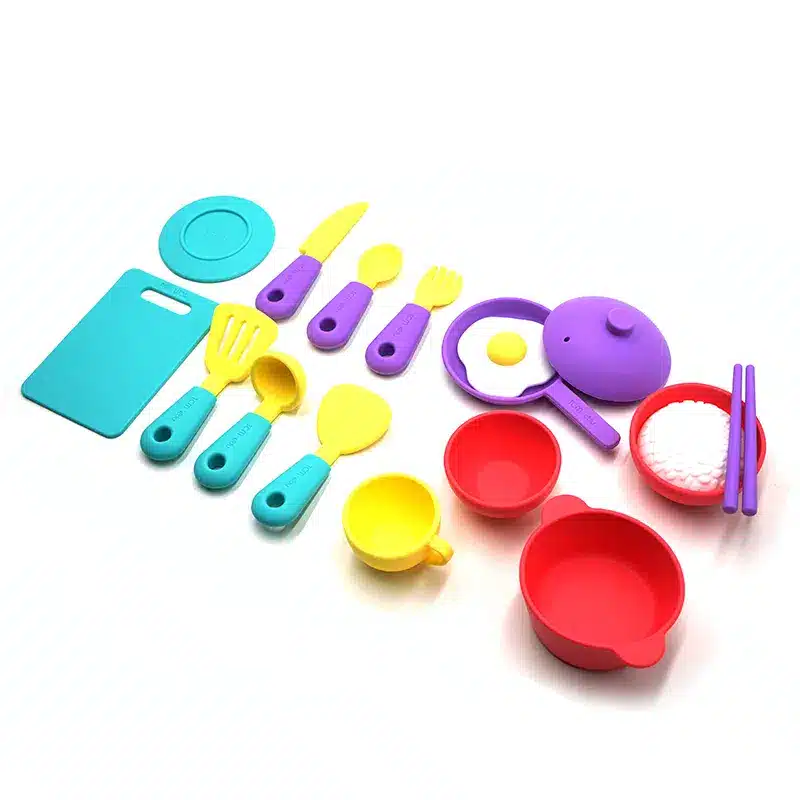
Babies often put toys in their mouths, so the material of the toys should be non-toxic, odorless, without sharp edges, and should meet national safety standards.
Age adaptation:
Babies of different ages have different needs and abilities for toys, so silicone toys should be selected to suit their age groups.
Function:
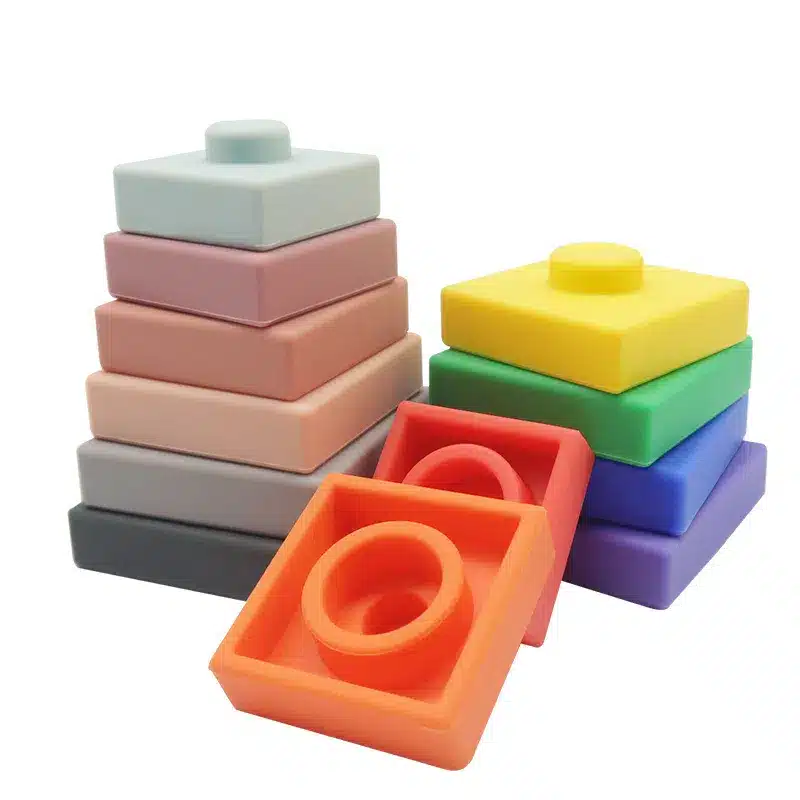
When purchasing silicone toys with different functions, you can choose according to the actual development level of your child. For example, silicone building block toys with educational effects are very helpful for the baby’s growth. They can be freely combined and built to give full play to creativity and imagination.
How to control the quality of silicone toys?
Raw Material Quality Control
Supplier Audit: Select silicone raw material suppliers with established quality management systems and compliance with environmental standards, and regularly evaluate their historical supply quality.
Raw Material Testing: Each batch of raw materials is tested for appearance (color, impurities), physical properties (hardness, tensile strength), and chemical properties (aging resistance, oil resistance). Food-grade silicone must be FDA/LFGB certified.
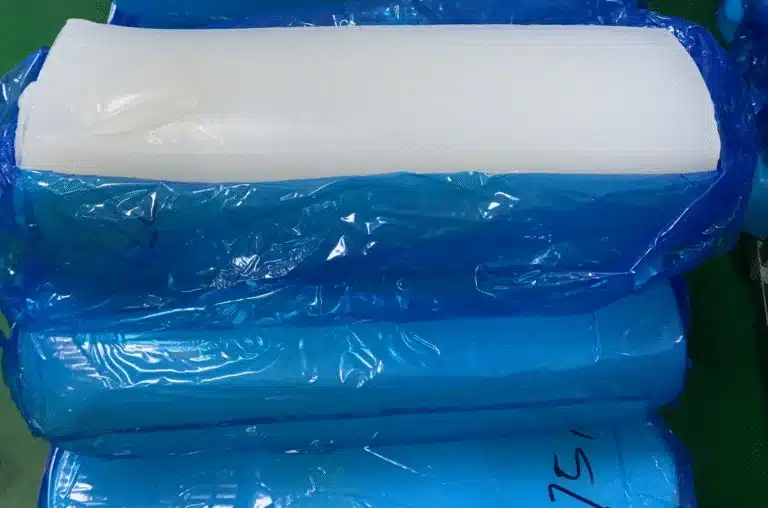
Storage Management: Raw materials must be stored in a dry, dark environment, following a first-in, first-out (FIFO) principle to prevent moisture or prolonged storage, which can lead to performance degradation.
Production Process Optimization
Formula Design: Scientifically formulate products based on their intended use to ensure raw material compatibility and optimal processing temperatures to improve production efficiency.
Molding Process: Injection molding requires precise control of pressure and temperature, while compression molding requires optimized mold design and preheating parameters to avoid air bubbles and deformation.
Post-Processing
Cleaning, drying, and vulcanization enhance product durability and safety. Medical-grade products must be matured in a Class 10,000 cleanroom.
Environmental and Equipment Management
Cleanliness Control: Medical-grade production must meet ISO cleanliness standards to prevent microbial contamination.
Equipment Maintenance: Regular calibration of production equipment parameters, such as injection rate and temperature fluctuation, must be strictly controlled within ±3 MU.

Finished Product Inspection and Feedback
Online Monitoring: A PLC control system monitors vulcanization temperature, pressure, and time in real time to ensure process stability.
Finished Product Inspection: Testing for dimensional accuracy, surface finish, and heat resistance. Industrial products may require secondary vulcanization.
We at JUTION provide our partners with full support from idea to market launch, and are the preferred partner of leading silicone product brands and retailers.
How to clean and maintain silicone toys?
Daily Cleaning: Use warm water (40-50°C) with soap or a neutral detergent. Gently scrub the crevices with a soft-bristled toothbrush. Avoid using strong acid or alkaline cleaners. Ensure the item is completely dry before storing.

Disinfection
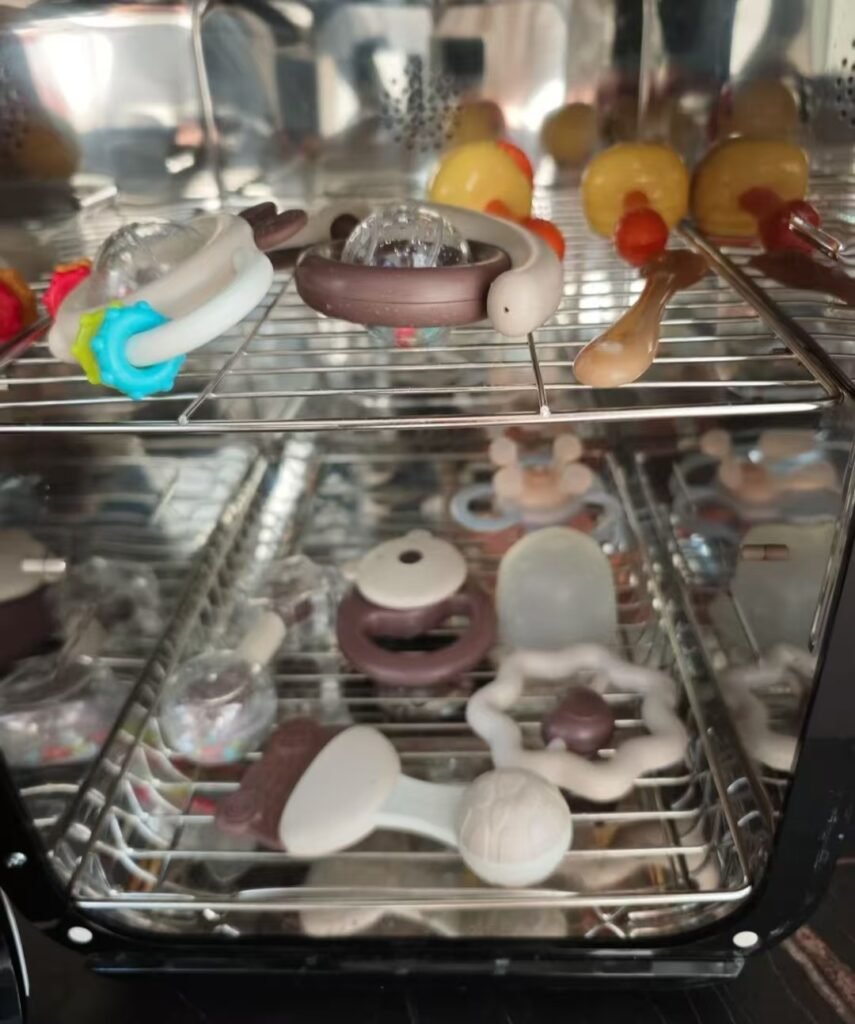
High-temperature steaming: Heat-resistant silicone toys can be boiled in boiling water for 5-10 minutes (suitable for oral toys).
Ultraviolet disinfection: Irradiate with a UV lamp for 20-30 minutes, ensuring even coverage on all sides.
Alcohol wipe: Use 70%-75% medical alcohol for local disinfection, but avoid prolonged contact.
Conclusion
Toys are important playmates for children in childhood. Diverse silicone toys are important tools for early education. Children can also effectively promote multi-sensory development and exploration ability development during play. Scientific selection of silicone toys is the key. Quality and safety are the foundation. It is necessary to choose the appropriate type of toys according to the baby’s age and development stage. Correct use and guidance can maximize the educational value and development effect of the toys.