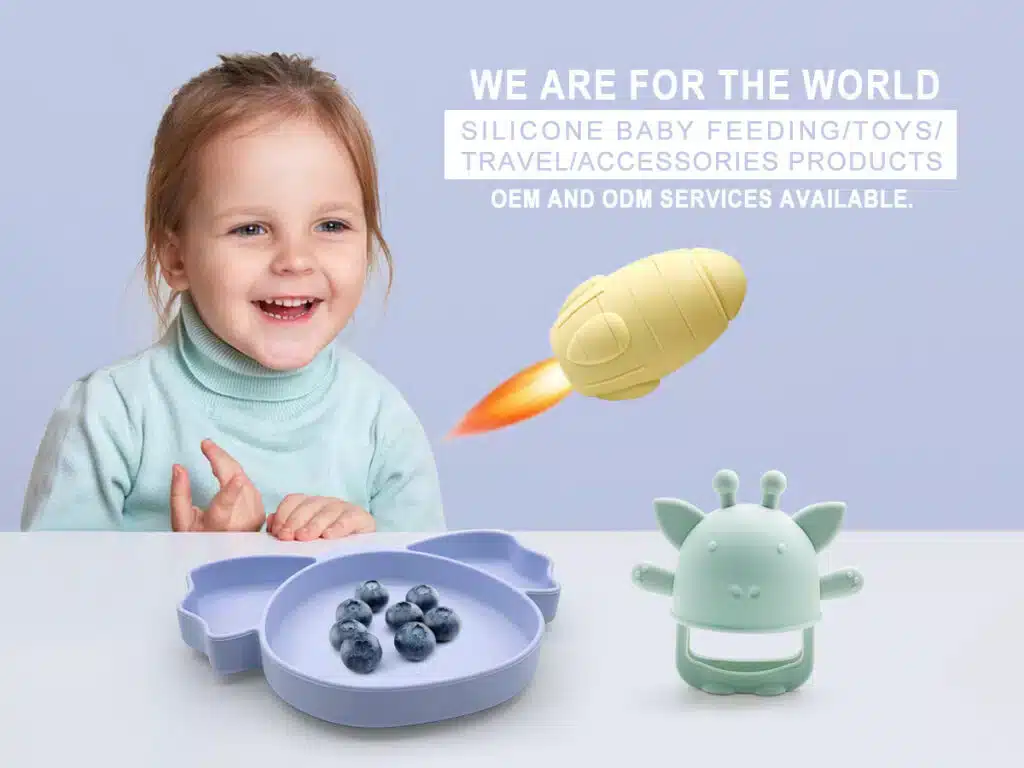
The safety and cleaning methods of silicone baby toys
As a professional who has been deeply involved in the field of silicone materials for many years, I am well aware of the importance of safety and cleanliness of infant and toddler products. Due to its unique diversity, silicone baby toys have become an ideal choice to stimulate babies’ desire to explore and are the first choice of many parents. However, how to ensure their long-term use and proper cleaning is a concern for many parents. Today, based on a large amount of scientific data, user feedback and professional experience, I will give you a comprehensive analysis of the safety standards and cleaning methods of silicone baby toys. This article mainly introduces the definition of silicone baby toys, its applicable scenarios, as well as precautions when purchasing and cleaning and maintenance methods.
If you are interested in silicone baby toys or want to know more about them, please read this article.
What are silicone baby toys?
Silicone baby toys are usually soft toys made of food-grade silicone.
They do not contain harmful substances such as BPA, PVC, and lead, and are suitable for babies as teething tools.
The material is soft and elastic, without sharp edges, and does not hurt the skin.
The surface is smooth and not easily stained. It can be cleaned by rinsing with clean water.


What are the applicable scenarios for silicone baby toys?

Outdoor travel:
Silicone baby toys are light and easy to carry. They can be fixed on the stroller or put into the bag, so that the baby can grab and play at any time when going out for a walk.

Family play:
Set up a baby-specific toy area in the living room, where babies can grasp and bite silicone toys to relieve teething discomfort and develop fine motor skills.

Childcare institutions:
As a place where a large number of young children gather, it is necessary to prepare a large number of toys. Silicone baby toys have various functions, shapes and colors, which are both entertaining and educational.
Why should we pay attention to the safety and cleaning of silicone baby toys?

Health issues: When purchasing silicone toys, you should also pay attention to the product description on the toy label to distinguish between high-quality and low-quality toys. Low-quality silicone baby toys may release harmful substances and affect the baby’s health.

Hygiene hazards: Silicone baby toys require prompt cleaning and regular disinfection before and after use. Improper cleaning can lead to bacterial growth and illness.
Performance and lifespan: Proper cleaning and maintenance will keep silicone baby toys in optimal condition—soft to the touch, less prone to cracking or yellowing, and extending the toy’s lifespan.
If you want to know more about silicone products, please contact us JUTION.
Who pays attention to the safety and cleanliness of silicone baby toys?

Infants and young children:
For babies aged 0-3 years old, especially those in the oral and budding stages, silicone baby toys placed in the mouth will come into contact with the gums and tongue. If they are not cleaned properly or contain harmful substances, the baby’s body will protest.

Parents of newborns:
The healthy growth of children is of vital importance to parents, and the safety and cleanliness of toys that come into close contact with children every day are particularly important.

Childcare institution staff:
In early childhood education institutions and childcare institutions where a large number of children gather, the toys purchased will be touched by different children every day, so the safety and cleanliness of the toys cannot be ignored.
When should the safety assessment and cleaning of silicone baby toys be carried out?
Before purchasing silicone baby toys, be sure to check their safety certification.
Before using silicone baby toys, wash the product according to the instructions in the product manual and ensure it is thoroughly clean.
When using silicone baby toys, follow the instructions in the product manual and use them under the specified conditions.

After using silicone baby toys, clean them with a soft cloth and detergent and keep them dry. (Do not use coarse cloth or cleaning tools such as steel wool to clean silicone toys.) Care should be taken to avoid prolonged exposure to high temperatures and contact with sharp objects to ensure their safety.

If you want to customize silicone products, please contact us JUTION.
How to produce silicone baby toys?
Material Preparation
The primary raw material is silicone (such as food-grade silicone). Different mold hardnesses (e.g., 20° or 40°) are selected based on the product’s characteristics. Auxiliary materials such as vulcanizers and color pastes are also used.
Mold Production
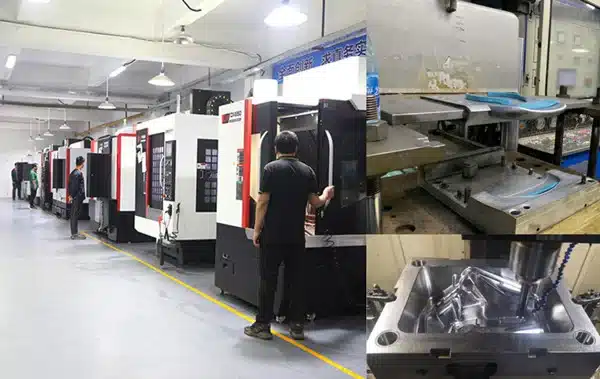
According to the product design drawings, precision molds are produced using CNC machines or engraving techniques to ensure dimensional accuracy and durability.
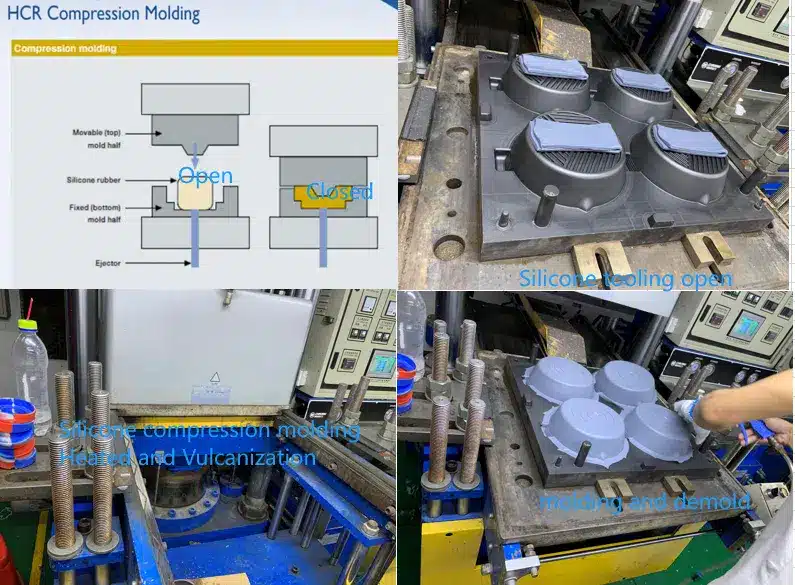
Vulcanization molding
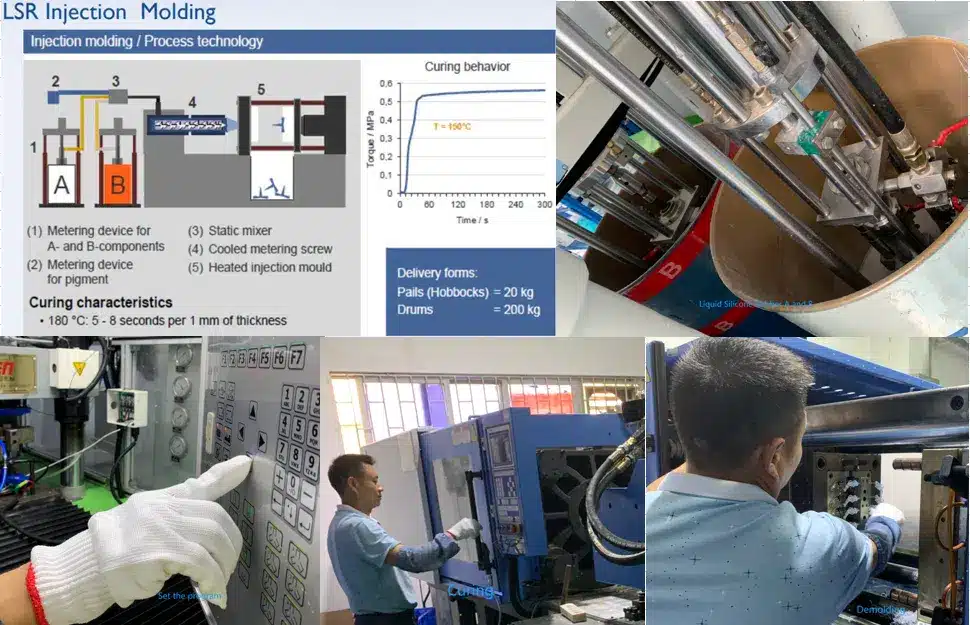
The mixed silicone material is injected into a mold and then heated and pressurized in a vulcanizer to form the product. Temperature, pressure, and time parameters must be strictly controlled (e.g., at 25°C, the operating time is approximately 30 minutes, and full curing takes 2-3 hours) to avoid product defects.
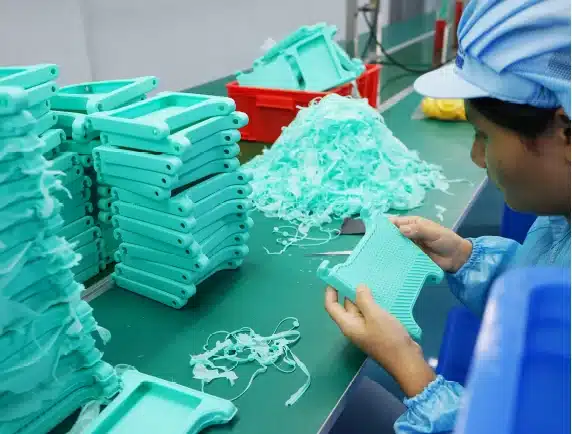
Post-Processing
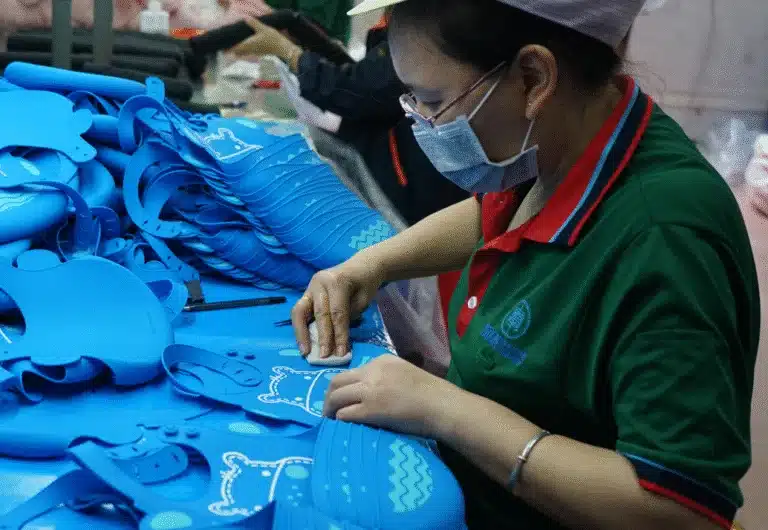
After molding, the product requires trimming of rough edges, grinding and polishing. Some products may require freezing to remove the cloak. For food-grade silicone, secondary vulcanization is required to remove low-molecular compounds to ensure odor-free and stable performance.
Quality Inspection
Finished products are tested for appearance, dimensions, hardness, and durability to ensure compliance with safety standards.
JUTION is a one-stop custom silicone product manufacturer and silicone molding solutions provider specializing in silicone products. If you would like custom silicone products, please contact us.
How to purchase the right silicone baby toys?

Quality assurance:
When purchasing silicone products, you should check the product label to ensure the quality and safety of the toy.

Age-appropriateness:
Buy toys that are in line with your baby’s current developmental abilities. Toys that are too simple or too difficult will make your baby lose interest.

Color and shape:
There are many different shapes and colors of silicone baby toys on the market. Silicone toys with cute shapes and natural colors will definitely attract your baby’s interest.
How to control the quality of silicone toys?
Raw Material Quality Control
Supplier Audit: Select silicone raw material suppliers with established quality management systems and compliance with environmental standards, and regularly evaluate their historical supply quality.
Raw Material Testing: Each batch of raw materials is tested for appearance (color, impurities), physical properties (hardness, tensile strength), and chemical properties (aging resistance, oil resistance). Food-grade silicone must be FDA/LFGB certified.
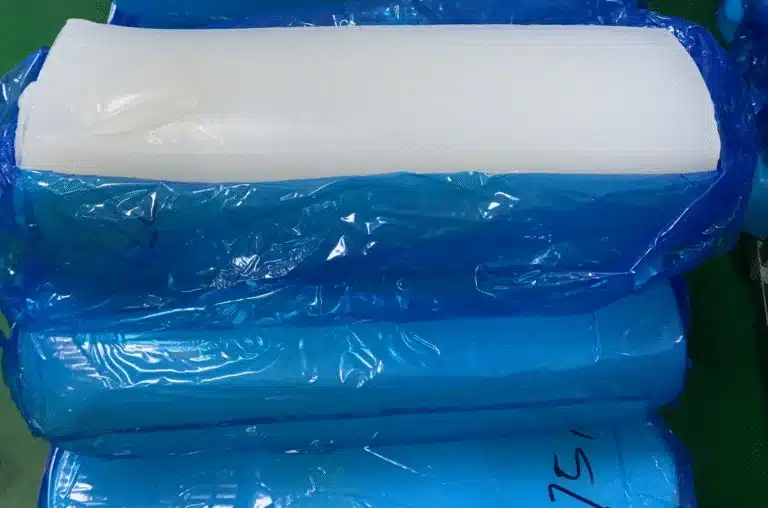
Storage management: Raw materials should be stored in a dry and dark environment, and the first-in-first-out principle should be implemented to avoid moisture or prolonged storage that may cause performance degradation.
Production Process Optimization
Formula Design: Develop a scientific formula based on product application, ensuring raw material compatibility and optimal processing temperature to improve production efficiency.
Molding Process: Injection molding requires precise control of pressure and temperature, while compression molding requires optimized mold design and preheating parameters to avoid bubbles and deformation.
Post-Processing
Cleaning, drying, and vulcanization enhance product durability and safety. Medical-grade products must be matured in a Class 10,000 cleanroom.
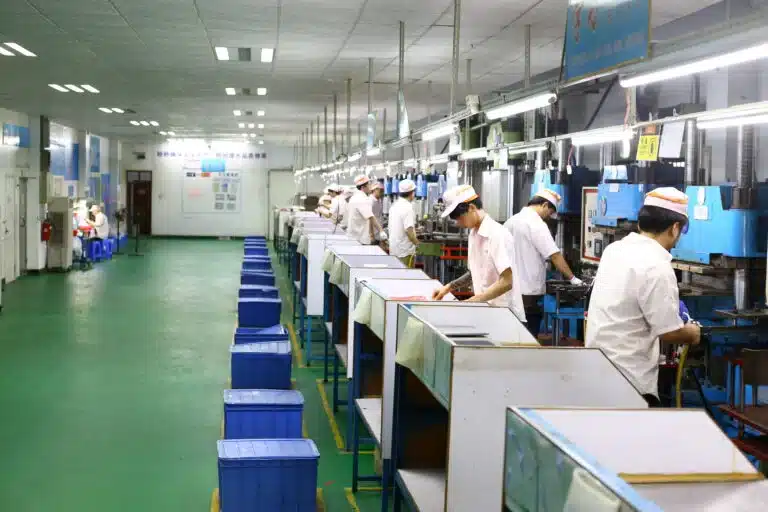
Environmental and Equipment Management
Cleanliness Control: Medical-grade production must meet ISO cleanliness standards to prevent microbial contamination.
Equipment Maintenance: Regular calibration of production equipment parameters, such as injection rate and temperature fluctuation, must be strictly controlled within ±3 MU.
Finished Product Inspection and Feedback
Online Monitoring: A PLC control system monitors vulcanization temperature, pressure, and time in real time to ensure process stability.
Finished Product Inspection: Testing for dimensional accuracy, surface finish, and heat resistance. Industrial products may require secondary vulcanization.
We at JUTION provide our partners with full support from idea to market launch, and are the preferred partner of leading silicone product brands and retailers.
How to clean and maintain silicone baby toys?
Daily Cleaning:
Rinse the toy with warm water to remove any surface dirt. Then, apply a mild dishwashing liquid to the silicone toy and gently wipe with a sponge, especially into the crevices where dirt and grime can easily accumulate. Afterward, rinse thoroughly with clean water to ensure no residual detergent remains. Finally, dry the toy with a clean towel or place it in a well-ventilated area to air dry.

Disinfection
High-temperature steaming: Heat-resistant silicone toys can be immersed in boiling water for 5-10 minutes to effectively sterilize. After disinfection, drain the water and place in a cool, dark place to dry to avoid moisture that may cause mold.
UV disinfection: Use a UV sterilizer for 20-30 minutes. This is suitable for toys that are sensitive to moisture (such as electronics). Ensure that the UV light is directly exposed to all surfaces before disinfection. Disinfect 2-3 times a week.
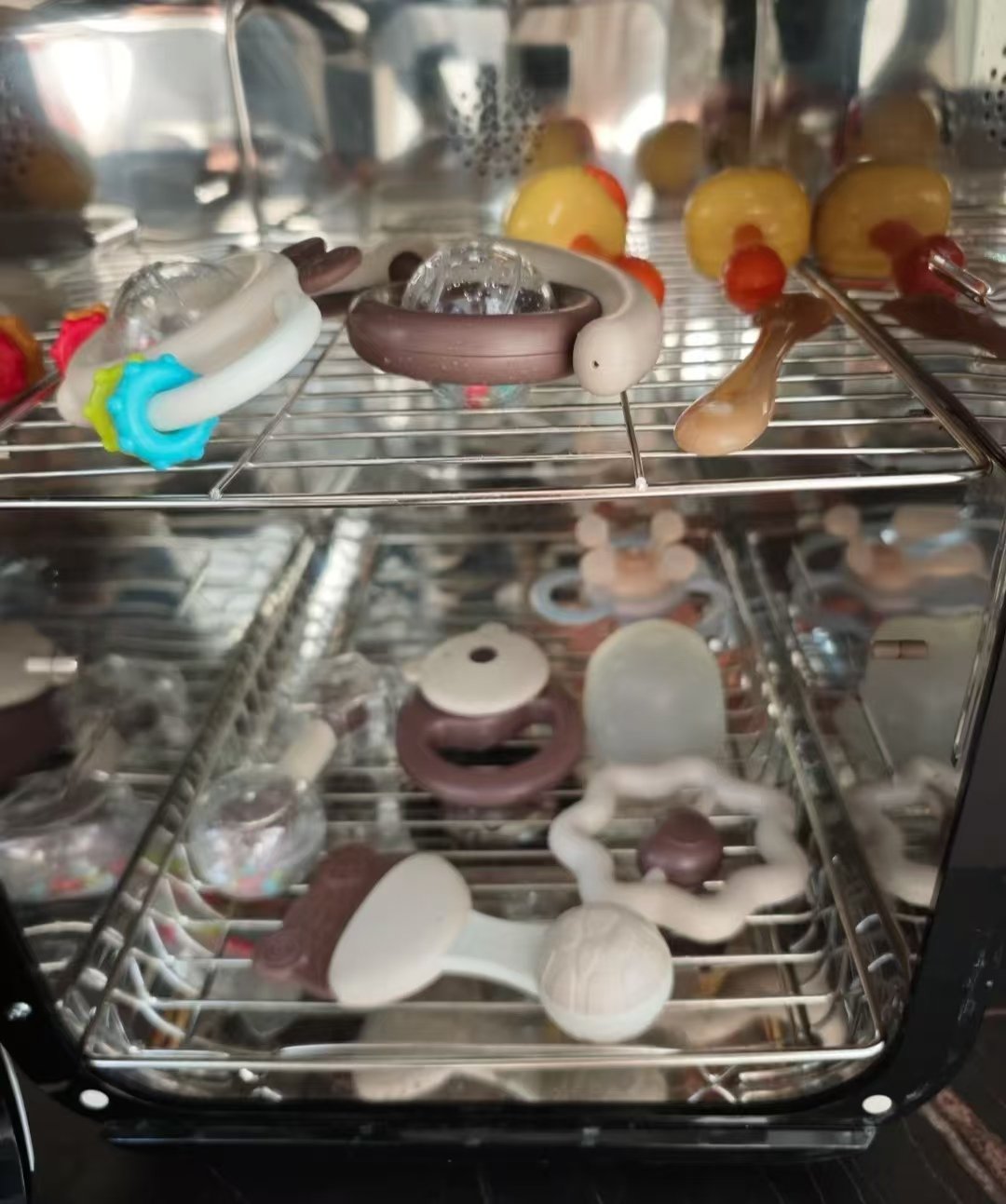
Special disinfectant: Choose a non-toxic hypochlorous acid disinfectant (80-100ppm) or quaternary ammonium salt wipes. After wiping, let it sit for 30 seconds and then rinse with clean water to avoid residue.
How to maintain silicone baby toys?

Dry Storage: After cleaning, dry the item with a dry cloth or place it in a well-ventilated area to air dry. Avoid direct sunlight or high temperatures to prevent material degradation.
Regular Inspection: Silicone products will gradually wear and age during use. We require monthly inspections and replacement of damaged, aged, or discolored items.
Prohibitions: Do not put toys into microwave ovens or high-temperature dryers, as they may cause deformation or melting. Toys containing batteries must be sterilized after removing the batteries to avoid short circuits.
Conclusion
Silicone baby toys are not just entertainment tools, they can also meet the baby’s needs for exploration and creativity, allowing them to learn new skills while playing, and promoting the development of their vision, hearing, and hand-eye coordination. They are good companions for babies on their growth journey and good helpers for parents to play with them. Safety is the primary consideration when purchasing silicone baby toys. Proper cleaning and disinfection methods not only ensure hygiene but also extend the life of the toys. Regular inspection and timely replacement are the key to ensuring continued safety. Scientific use and maintenance can maximize the value of silicone toys.