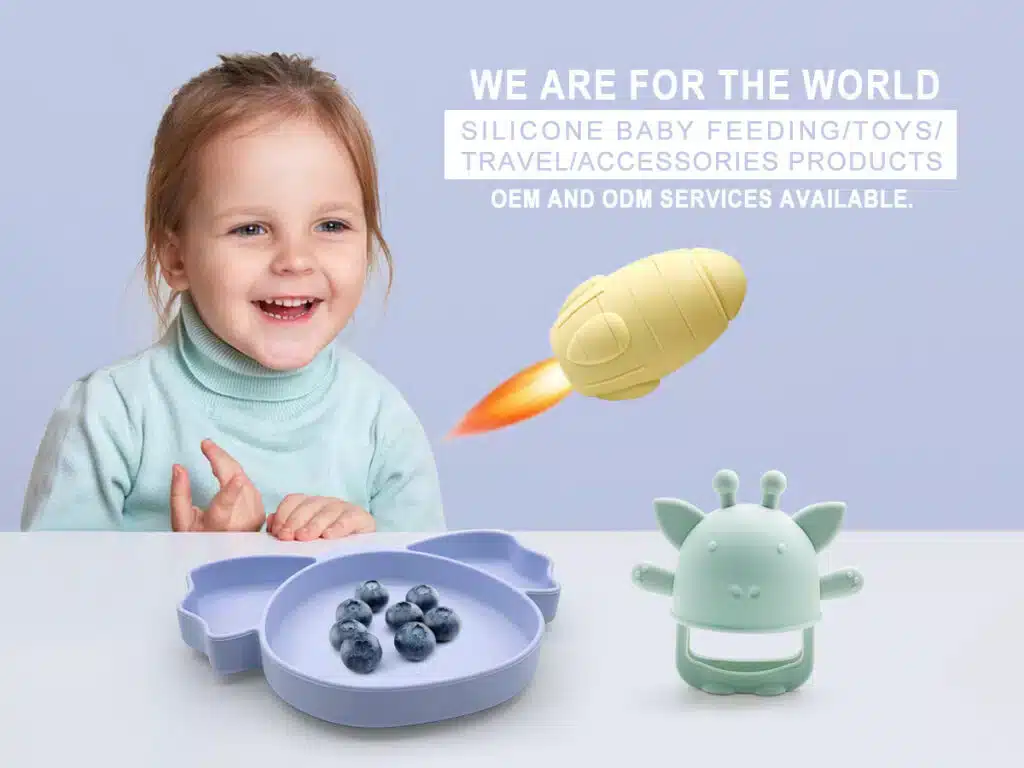
New mom must-see! Silicone toys, helping you say goodbye to the chaotic parenting life
As a professional with many years of experience in the silicone materials field, I’ve witnessed firsthand how this remarkable material has evolved from industrial applications to critical areas that contribute to human development. Daily tasks like caring for, feeding, comforting, and entertaining babies often overwhelm parents. But today, from the perspective of a materials expert, I’d like to reveal a secret weapon that could transform your parenting experience: silicone toys. This article primarily explains what silicone toys are, why infants and young children need them, when and where they’re suitable, purchase precautions, and cleaning and maintenance methods.
If you’re interested in silicone toys or would like to learn more, please read this article.
What are silicone toys?
Silicone is a highly active adsorption material.
Silicone toys made from silicone are non-toxic, harmless, soft and chew-resistant, making them suitable for infants and young children.
Silicone toys combine safe chewing, sensory development, ability training, and emotional soothing functions, gradually becoming a popular toy material and an important auxiliary tool for scientific parenting.


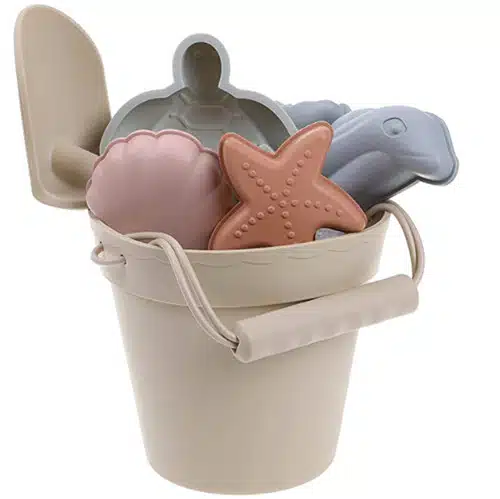


Why do babies need silicone toys?
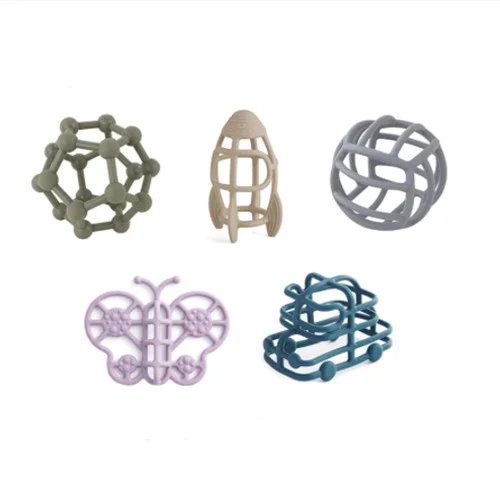
Safe and non-toxic:
Silicone toys are soft and flexible, won’t scratch or harm your baby. They contain no harmful chemicals, are non-toxic and odorless, and pose no threat to your baby’s health.
Enhanced tactile feel:
Silicone is soft and has a smooth, burr-free surface, making it ideal for teething babies during their oral development.
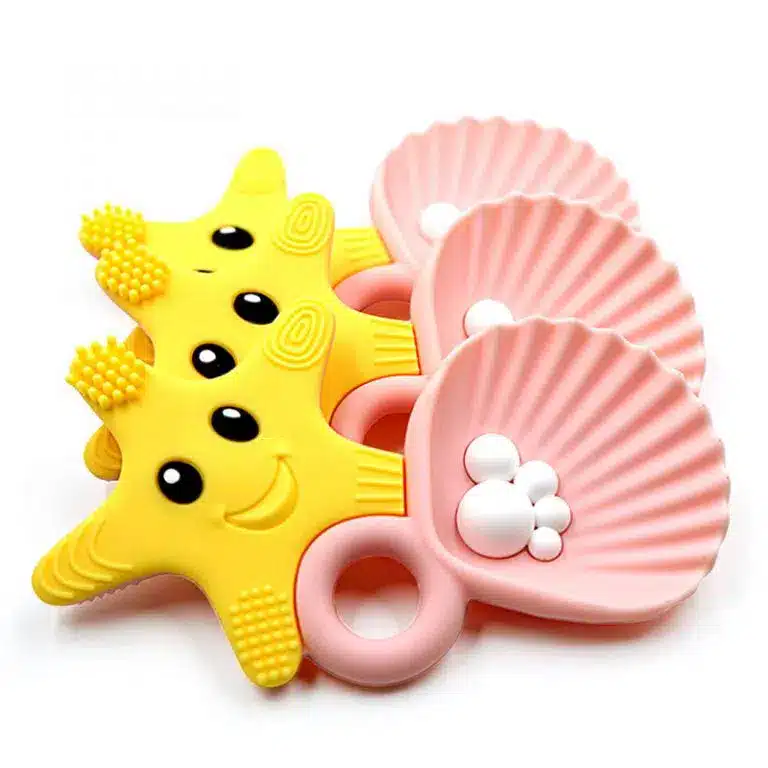
Diversified functions and shapes:
Silicone is highly plastic and can be designed into different shapes to meet the needs of sensory exploration. It has diverse functions and can effectively promote the development of certain areas of the baby.

Easy to Clean:
The smooth surface of silicone toys resists dust and dirt, and even if they do get dirty, they can be easily cleaned with water.
Durable:
Silicone toys have a long lifespan and won’t easily wear out or deform, maintaining their shape and color for a long time.
If you want to know more about silicone products, please contact us JUTION.
Who cares about silicone toys?
When is it appropriate to use silicone toys?
0-3 months:
During this stage, the main function of toys is to stimulate the baby’s senses. Toys with bright colors and soft music (rattles, bed bells) can attract the baby’s attention and promote the baby’s visual and auditory development.

4-6 months:
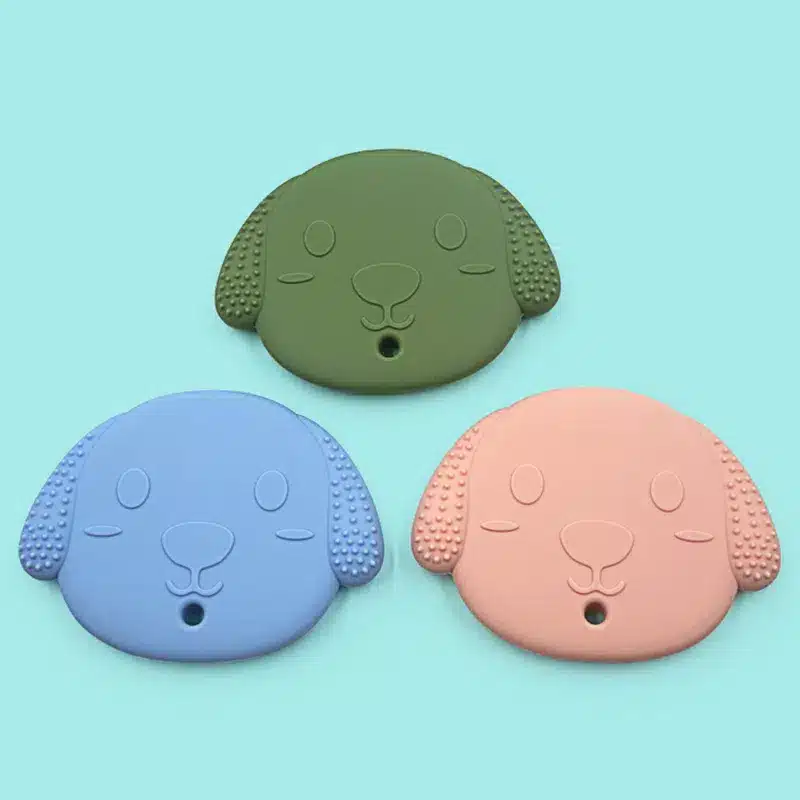
Babies begin to learn to grasp. At this time, you can prepare some silicone grasping toys (silicone teethers, sensory balls) for your baby. These toys can help your baby practice grasping skills and also relieve their discomfort during teething.
7-9 Months:
Babies begin to learn to sit and crawl, and their range of motion gradually expands. During this stage, consider toys that encourage crawling and improve coordination.
If you’re looking for the most affordable, quality-assured custom silicone products, JUTION is your best choice.
Where are silicone toys suitable for use?
Carrying outdoors:
Babies may feel scared and irritable when going outdoors.
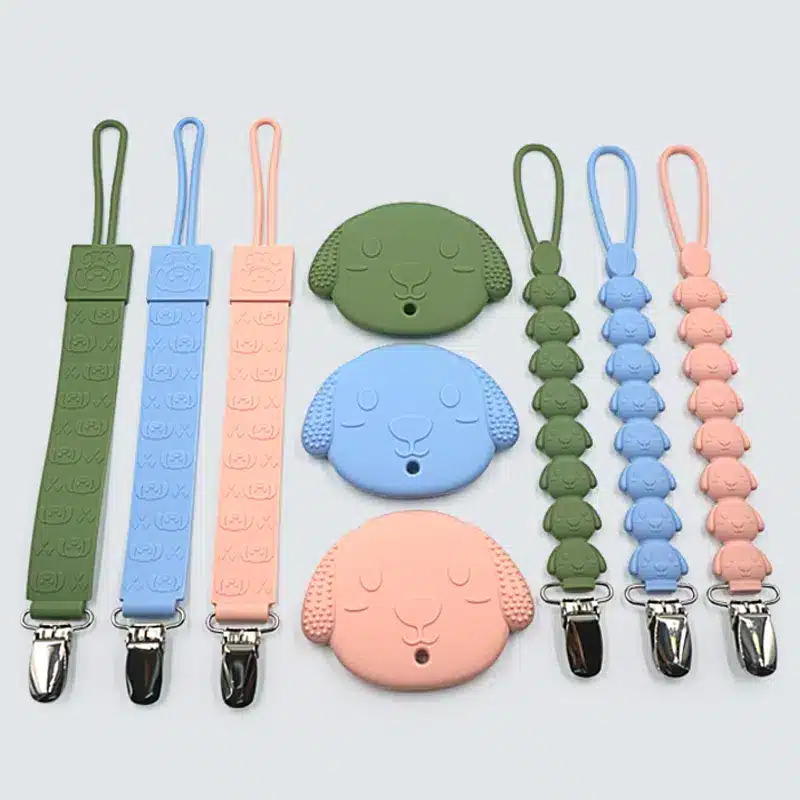
Silicone soothing toys can be hung on the stroller to give babies a sense of familiarity and security when necessary.
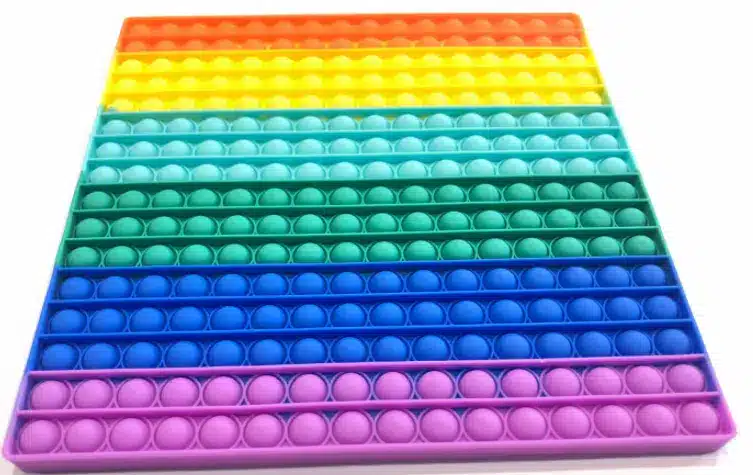
Daycare/early childhood education institutions:
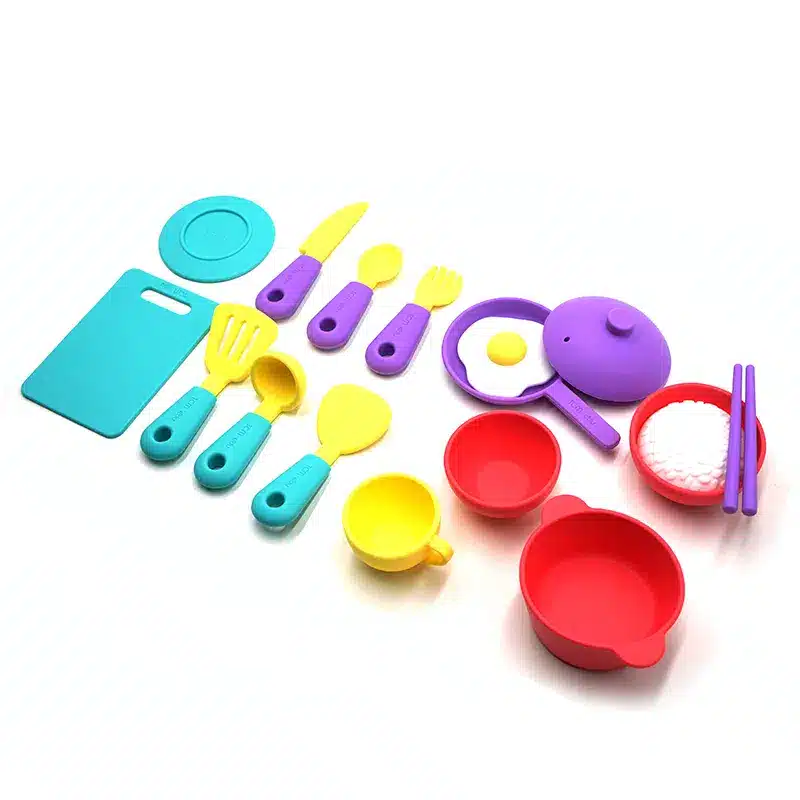
Different types of silicone toys have different colors, shapes, hardness, and functions, and thus bring different educational effects.
Daycare or early childhood education institutions can provide children with sufficient materials by purchasing different types of silicone toys to help improve their learning ability and emotional development.
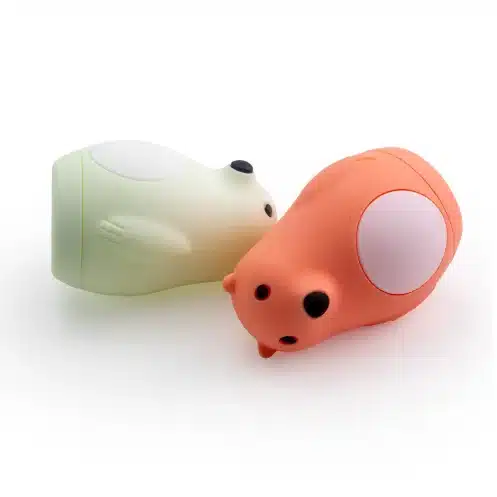
Home environment:
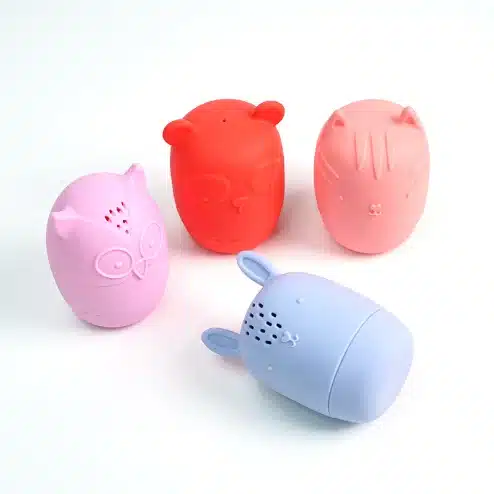
When taking a bath in the bathroom, lying on the bed or lying on the mat, the baby can play with the silicone toy to kill boredom.
Parents can also use this silicone toy to spend a wonderful parent-child time with their children and explore the various ways to play with the toy together.
How to produce silicone toys?
Raw Material Processing
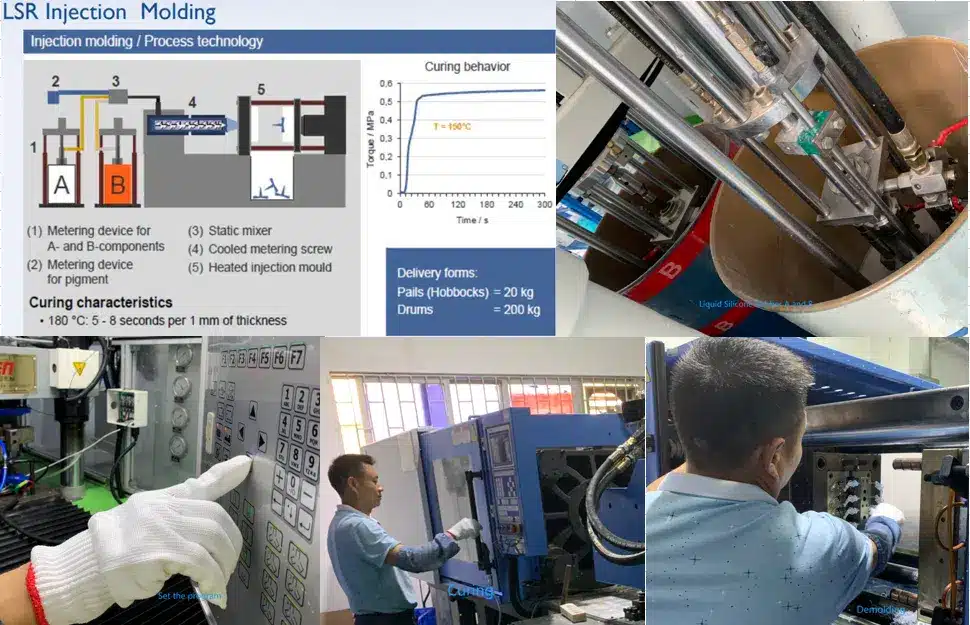
Medical-grade silicone (food contact safe) is used, filtered three times before production to remove impurities, and a platinum catalyst is used to enhance tear resistance. Food-grade pigments are used to ensure skin tones closely resemble those of the human body.
Mold Design and Molding
A split steel mold is manufactured based on ergonomic data. The mold undergoes a high-temperature quenching treatment at 1200°C, and the interior surface is mirror-polished to ensure seamless seams after demolding. Injection molding is used, with silicone injected at a constant temperature of 120°C. Layered infusion (each layer ≤ 2mm) ensures structural precision.
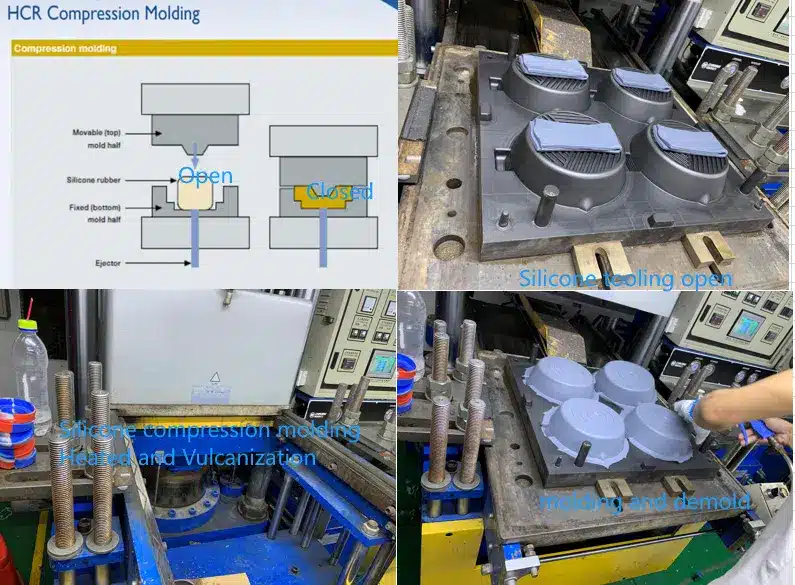
Key Process Details
Surface Treatment: Products must pass Shore hardness testing (25±2A), aging testing (500 hours of UV irradiation), and chemical migration testing (compliant with EN71-3 standards) to ensure non-toxicity and durability.
Safety Verification: Each product undergoes 12 rigorous tests, including surface defect inspection (microbubble diameter ≤ 0.03mm) and anti-oxidation packaging (three-layer structure with built-in temperature and humidity recorder).
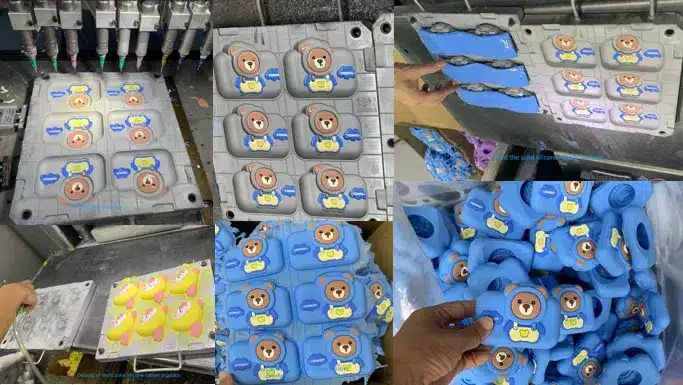
Production Environment Control
Digital management is employed throughout the entire process, ensuring traceability from raw material receipt to finished product delivery. A constant temperature of 18-22°C is maintained during transportation, and custom-made products are equipped with unique identification codes for traceability.
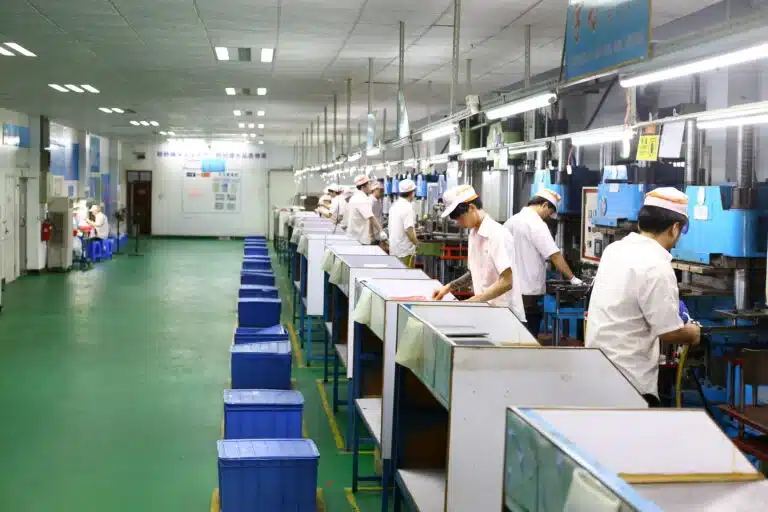
We, JUTION, are a one-stop customized silicone product manufacturer and silicone molding solution provider specializing in the field of silicone products. If you want to know more about silicone products, you can contact us.
How to choose the right silicone toys?
- Pay attention to product labels: When purchasing, check the product label to understand information such as the material and production date.
- Consider age: Babies of different ages have different toy needs. Parents should choose toys appropriate for their baby’s age.
- Check the appearance: When purchasing, carefully check the appearance of the toy and avoid toys with sharp edges or burrs to avoid scratching your baby.
- Smell: High-quality silicone toys should not have any odor. Parents can judge the quality of the toys by smelling them when purchasing.
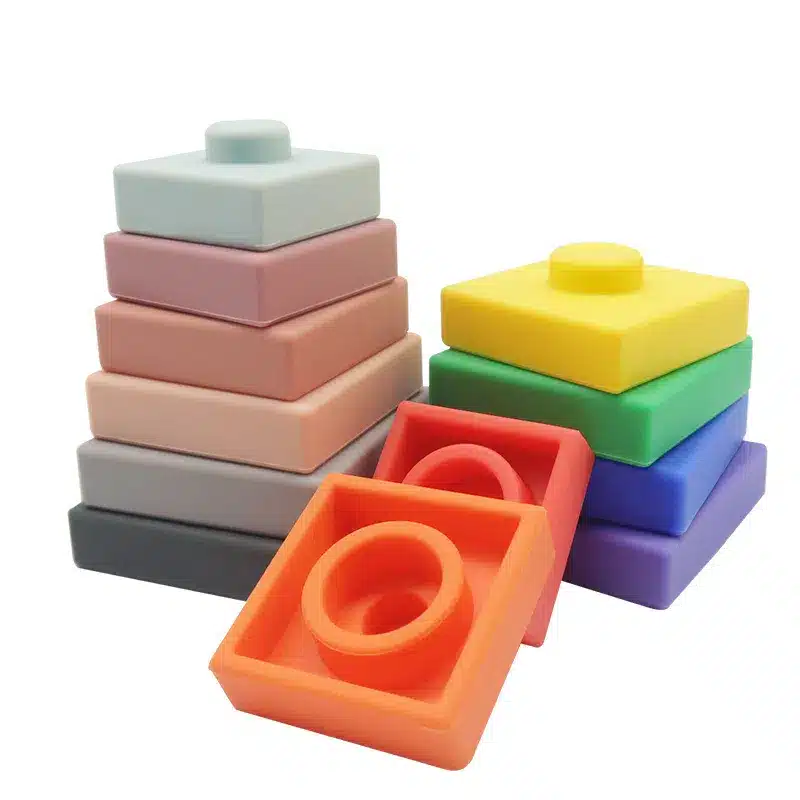
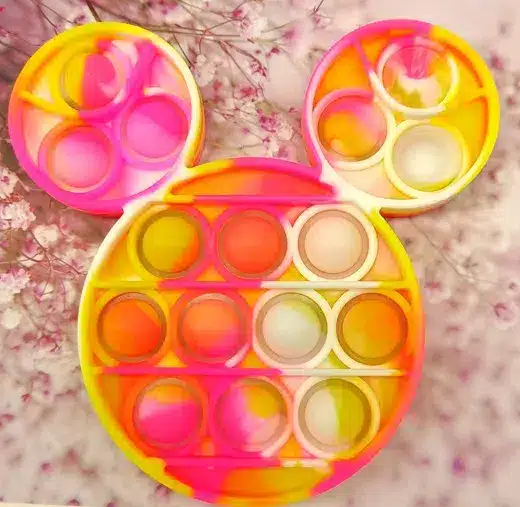
How to control the quality of silicone toys?
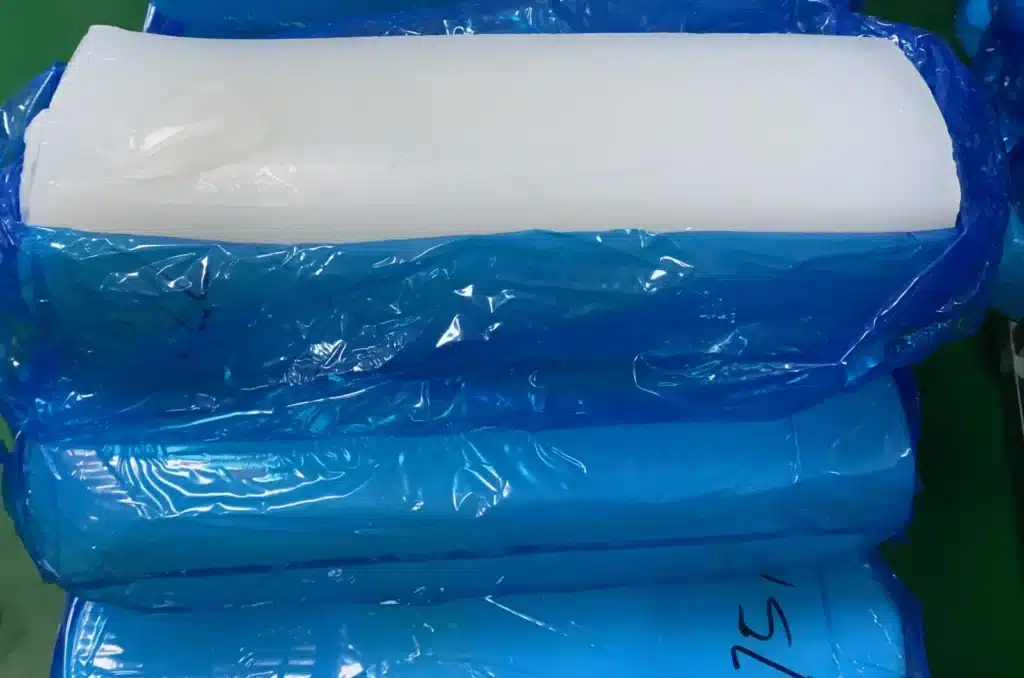
Raw Material Control
Select silicone suppliers certified for food contact materials. Raw materials must undergo visual inspection (color, transparency), physical property testing (hardness, tensile strength), and chemical property testing (acid and alkali resistance, aging resistance) to ensure compliance with the national food safety standard GB 4806.11.
Production and Processing Requirements
When using injection or compression molding, precise temperature and pressure parameters must be controlled to avoid bubbles and deformation. After molding, the product undergoes post-processing, including cleaning and drying, to ensure a smooth, residue-free surface.
Finished Product Safety Testing
Online monitoring systems are used to monitor dimensional accuracy and surface finish in real time. Finished products must undergo microbial testing and migration testing (e.g., N-nitrosamines and aromatic primary amines must not be detected). Toy edges must be smooth and burr-free, and small holes or gaps must be ≤3mm in diameter to avoid swallowing risks.
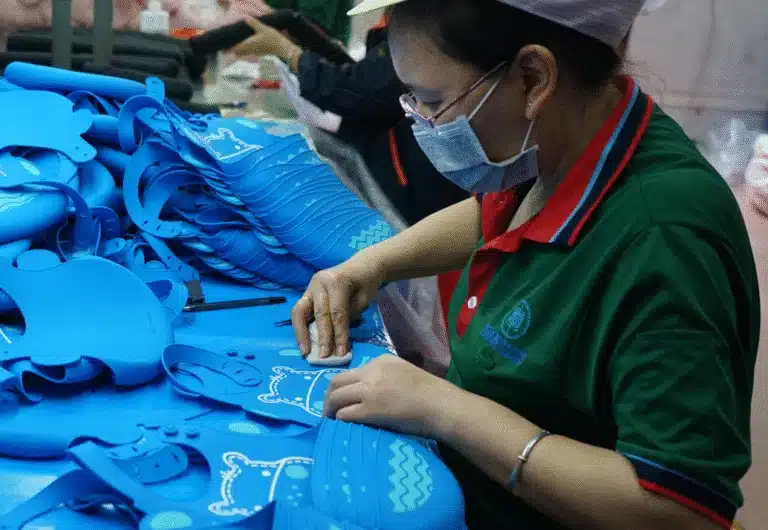
We at JUTION provide our partners with full support from idea to market launch, and are the preferred partner of leading silicone product brands and retailers.
How to clean and maintain a baby’s silicone toys?
Clean silicone toys promptly before and after use to remove surface stains and residue.
Disinfect regularly:
To ensure the hygiene and safety of silicone toys, parents should disinfect them regularly. This can be done with boiling water or a specialized disinfectant.

How to maintain silicone toys?
Drying: After cleaning, gently wipe the toy’s surface dry with a clean towel. Let it air dry or air dry in a cool, dark place, avoiding exposure to strong sunlight.
Regular Replacement: Silicone products will gradually wear out or age with use, so they should be inspected and replaced regularly.
Conclusion
Silicone toys are becoming an indispensable helper in the parenting life of new parents due to their safety, softness, bite resistance, durability and environmental protection. Choosing the right silicone toys according to the baby’s age and needs can not only reduce the parenting pressure of parents, but also enhance the baby’s sensory experience and give the child a happy childhood!