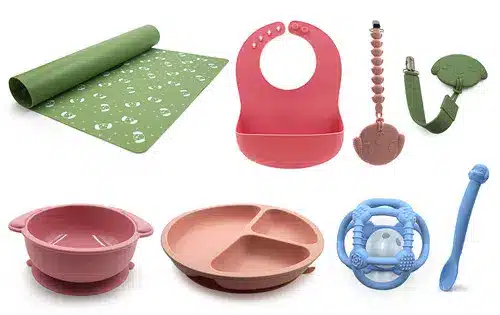
Silicone training cup, Anti-leakage and anti-choking measures!Your baby deserves to have this!
Over the years, I have witnessed how silicone materials have reshaped the landscape of maternal and infant products with their unparalleled safety and functionality. The transition of babies from bottles to cups is an important part of their growth process. At this time, our first priority as parents is to choose a training cup for our babies that is both safe and can cultivate independent drinking habits. Here, we will take an in-depth look at a product that is crucial at this critical stage – the silicone training cup. This article mainly introduces the definition and target users of silicone training cups, the reasons why infants and young children need it and the specific usage scenarios, as well as precautions when purchasing and cleaning and maintenance methods.
If you are interested in silicone training cups or want to know more about them, please read this article.
What is a silicone training cup?
The silicone training cup is a well-designed drinking device made of silicone material.
It combines safety, practicality and fun. It is a cup specially designed for babies to practice drinking water, making it easier for babies to adapt to the transition from breastfeeding or bottle feeding to drinking water from a cup.
It can also well exercise the baby’s left and right hand coordination ability and promote intellectual development.
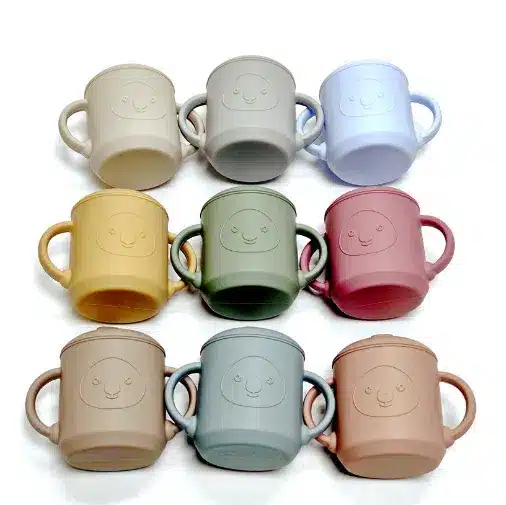


Why are silicone training cups suitable for infants and toddlers?
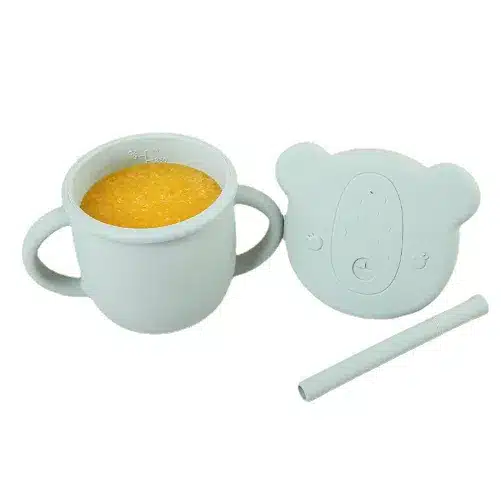
Safe and harmless:
Compared with plastic cups, silicone training cups are made of high-quality silicone material, which is soft and durable, non-toxic and odorless, and can ensure the safety of babies when drinking wate.
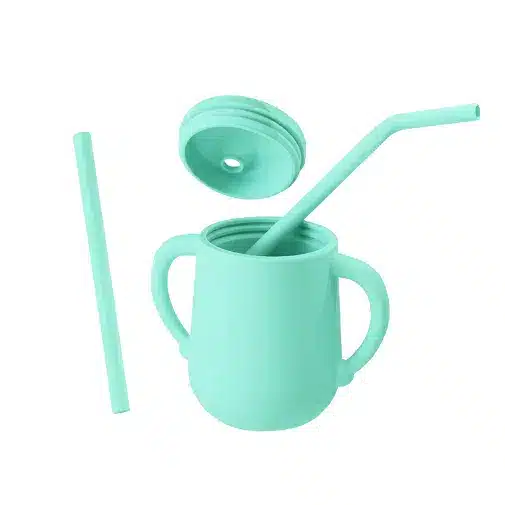
In line with the physiological characteristics of young children:
The comfortable and easy-to-grip handle helps babies build confidence in drinking water independently from an early age. As an open drinking cup, the silicone training cup is suitable for various liquids to meet the drinking needs of babies at different stages.
Promote oral development:
The silicone training cup has a soft touch, similar to the feeling of breast milk. This design helps babies better adapt to different drinking methods and promotes the development of oral muscles.
If you want to know more about silicone products, please contact us JUTION.
Who should care about silicone training cups?
Infants and young children:
Silicone training cups are mainly designed for infants and young children. When using training cups, babies can exercise their hand muscles and exercise their left and right hand coordination ability, thereby promoting the development of the baby’s brain and intellectual growth. Therefore, training cups are very useful for the growth and development of babies.
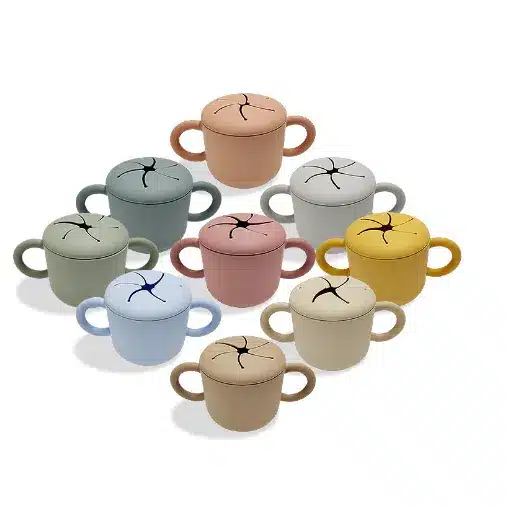
Parents who focus on scientific parenting:
When it comes to how to smoothly transition their children from using bottles to normal drinking cups, silicone training cups have something to say. They are safe, environmentally friendly, easy to clean, and can effectively help you cope with this challenging project.
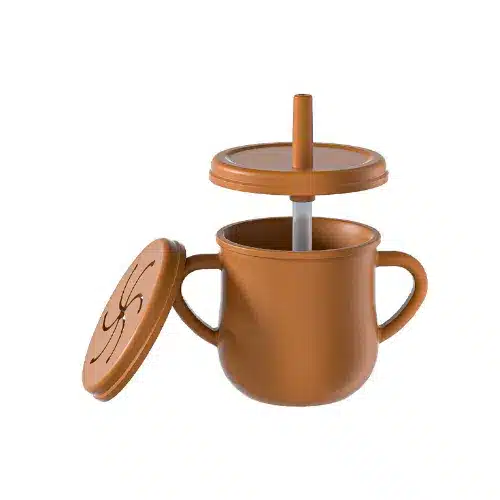
Early childhood education/childcare institutions:
Compared with plastic and stainless steel cups, silicone training cups are safe, scientific, and highly adaptable, making them suitable for large-scale purchases to help children develop good drinking habits.
When is it appropriate to use a silicone training cup?
- From 6 months old: This is the best time for babies to transition from bottles to cups. Silicone training cups can help babies make the transition.
- Bottle weaning transition: When children reach a certain age, they should learn to stop using bottles with nipples to avoid long-term bottle use that can harm their teeth.
- Portable: The silicone training cup is compact and lightweight, easy to store, and suitable for travel, school or daily use.
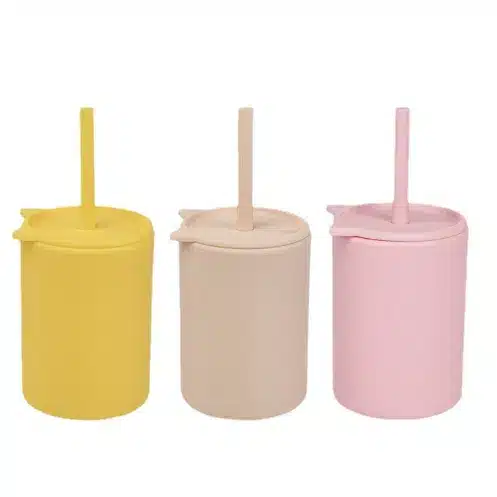
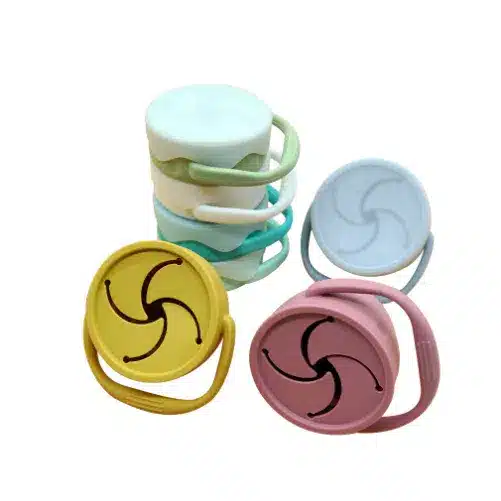
If you want to customize silicone products, please contact us JUTION.
Where is the silicone training cup suitable for use?
This silicone training cup is suitable for a variety of situations, from daily home use to outdoor playtime and preschool time, making it a perfect drinking companion for your baby.
At home, babies can practice drinking water while playing or resting. Outdoors, its lightweight and portable design allows babies to replenish their water at any time. In preschool, this transparent, graduated training cup allows teachers to easily monitor children’s drinking and ensure they are getting enough water.

How to produce silicone training cups?
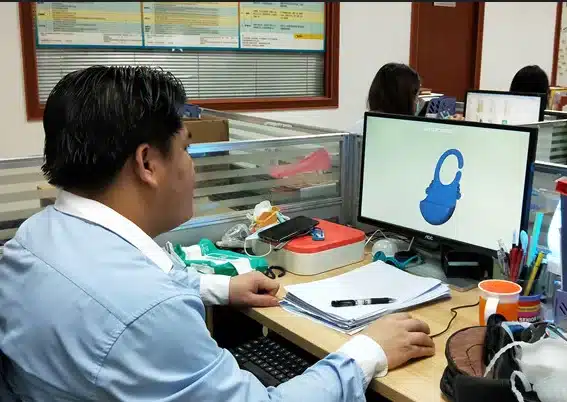
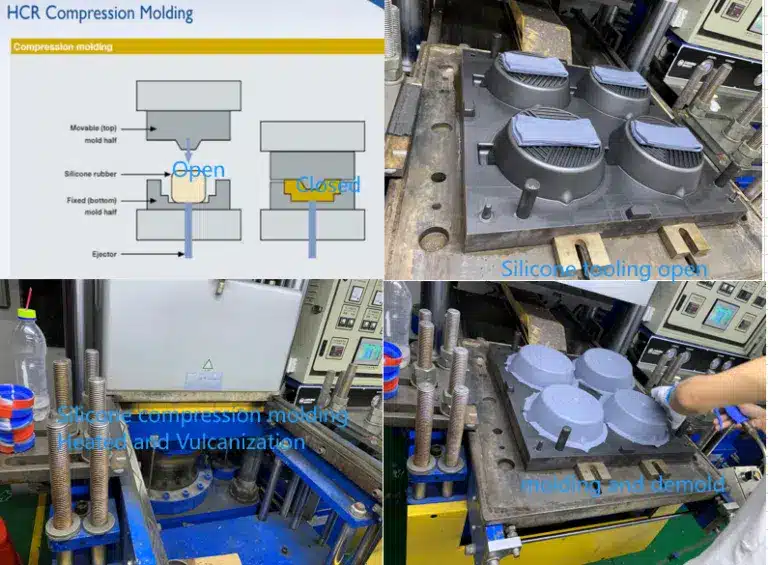
Mold Design and Production
CAD modeling was performed based on the 3D model of the training cup, ensuring dimensional tolerances within ±0.05mm. The mold also required a parting surface design to facilitate demolding.
Raw Material Preparation
Use liquid silicone (approximately 30 Shore A hardness). Mix components A and B in a 1:1 ratio and stir at 150 rpm for 5-8 minutes to ensure a uniform mixture. Then, use a vacuum degasser at -0.09 MPa for 10-15 minutes to remove air bubbles.

Vulcanization Molding
Pour the degassed silicone into the mold cavity at a rate of 5-8 liters/minute to avoid partial underfill. Place in a constant-temperature oven at 80-100°C for 2-4 hours for curing, adjusting the baking time based on mold thickness.
Post-Processing and Inspection
To demold, gently pry along the parting surface using a dedicated tool, maintaining a release force of 50-80N. After demolding, polish the surface with 800-1200 grit sandpaper to a Ra 0.8-1.6μm finish. Critical dimensions are inspected using a coordinate measuring machine (accuracy ±0.02mm). Finally, perform a visual inspection and a test mold to verify sealing.
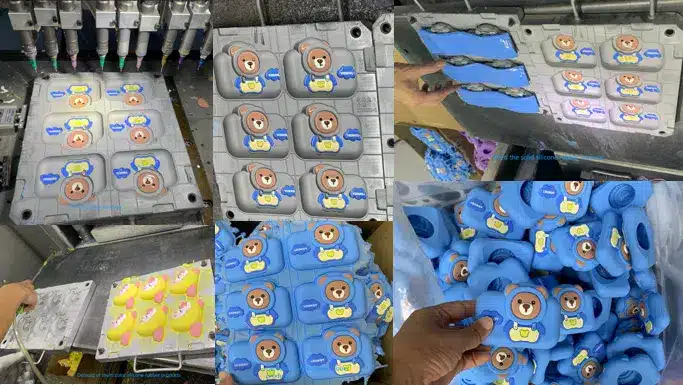
We JUTION is a one-stop customized silicone product manufacturer and silicone molding solution provider specializing in the field of silicone products. If you want to customize silicone products, you can contact us.
How to purchase a suitable silicone training cup?

Safety and environmental protection:
When choosing a training cup, the most important consideration is not the appearance, but the material. Some cups may look good, but the material is poor and release harmful substances when exposed to high temperatures, which can harm your baby’s health.
Appearance and color:
Choosing a silicone training cup with an attractive color and design will make your baby more interested in it, encourage them to drink from it, and promote their visual development.
Leak-proof design:
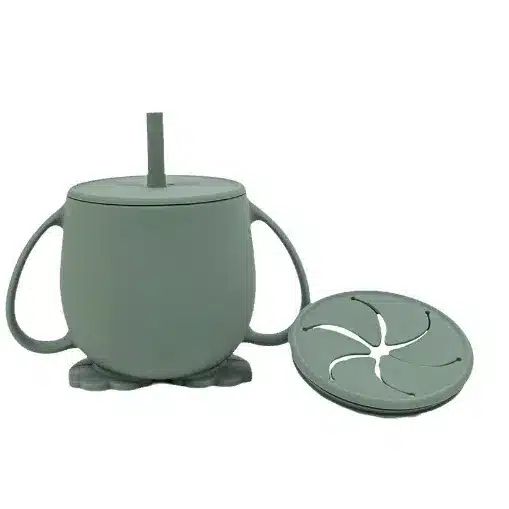
When choosing a cup, opt for a silicone training cup that’s leak-proof when held upside down. This ensures it won’t leak while your baby is drinking or storing it in their bag.
User-friendly handle:
The handle fits the grip of young hands, helping your baby build confidence and making the transition from bottle to cup a natural one.
How to control the quality of silicone training cups?
Raw Material Management
Supplier Audit: Select suppliers with ISO certification, environmental compliance, and a history of stable supply. On-site inspections and sample testing ensure that raw materials meet food safety standards (such as GB 4806.11).
Raw Material Testing: Each batch of raw materials undergoes visual inspection (uniform color, absence of impurities), physical property testing (hardness, tensile strength), and chemical property testing (acid and alkali resistance, aging resistance). Food-grade silicone must pass microbial testing.
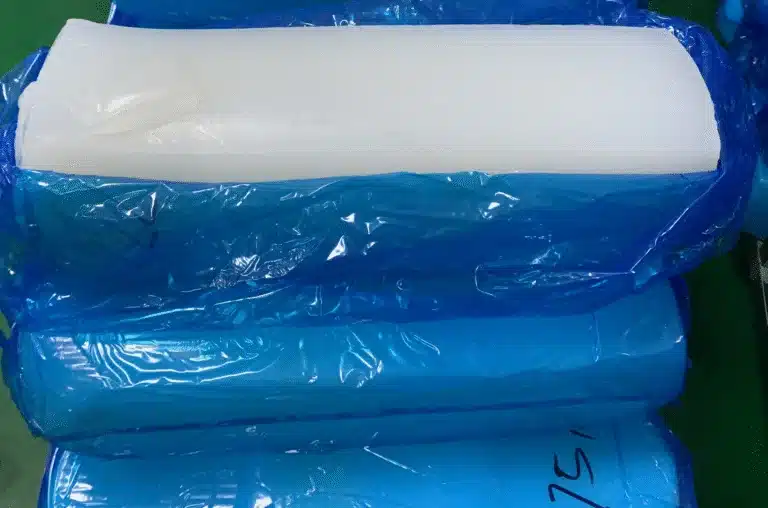
Storage control: The warehouse should be dry and away from light, and the first-in-first-out principle should be implemented to prevent the raw materials from getting damp or being stored for too long, which may cause performance degradation.
Production Process Optimization
Formula Design: Formulas are designed based on product application, taking into account raw material compatibility, processing temperature, and curing time to ensure process stability and repeatability.
Molding Process: During injection or compression molding, precise control of pressure, temperature, and time is required to avoid air bubbles and deformation. For infant and toddler products, overmolding is required to reinforce the mouthpiece.
Post-processing
Deburring, drying, and vulcanization processes enhance product durability and safety. Infant and toddler products are additionally tested for total migration (≤60 mg/kg) and heavy metal content (≤1 mg/kg).
Finished Product Testing
Safety Index Testing: Infant and toddler products must comply with GB 4806.11, with total migration ≤60 mg/kg and heavy metal content (as Pb) ≤1 mg/kg. Adult products have higher testing standards.
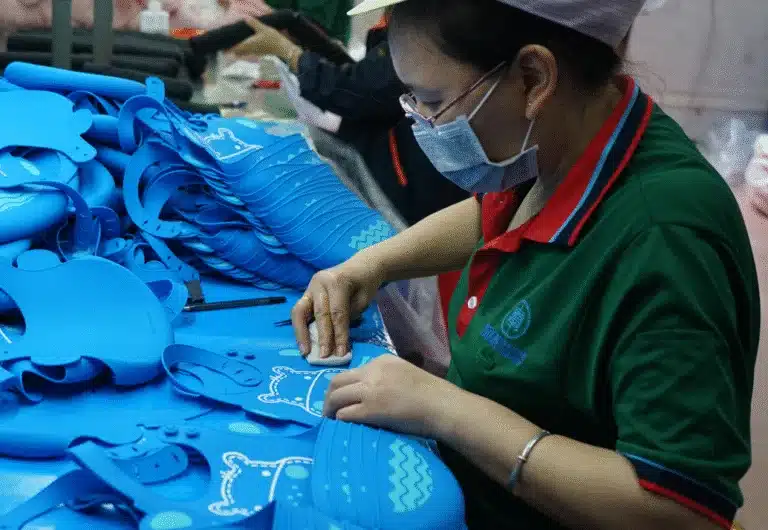
Appearance and Functionality: Check that the cup body is free of damage, has a good seal, and meets design requirements.
Microbiological and Chemical Stability: Food contact surfaces must be heat-resistant and odor-free. Excessive migration levels may pose health risks.
At JUTION, we provide comprehensive support from conception to market, making us the preferred partner of leading silicone product brands and retailers.
How to use the silicone training cup correctly?
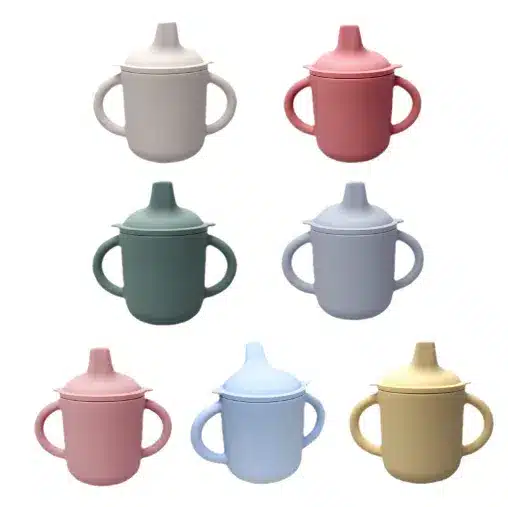
After the baby is 6 months old, you can switch to a duckbill training cup for the baby to use. After 9 months, the baby can try to use a straw cup to drink water.
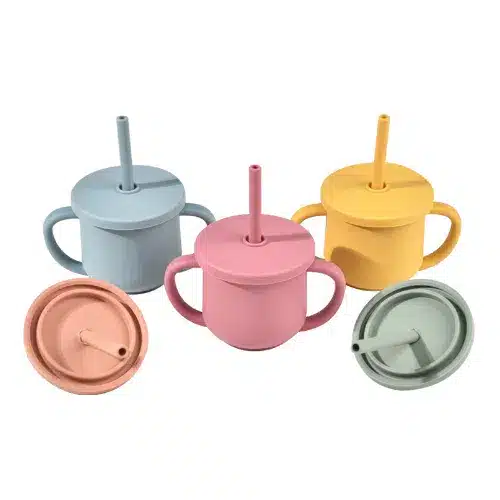
When your baby drinks water, you must make sure he develops a good habit. Do not drink water while lying down or walking, as this may cause the baby to choke.

When cleaning a training cup, first disassemble and clean all parts of the cup, and thoroughly clean the water outlet on the lid. (Also clean any bends or hidden corners of the training cup.)
Before regular sterilization, be sure to check the product instructions to see if it can be steam sterilized or boiled.
Conclusion
Silicone training cups are safe, practical, and multifunctional. They are an important tool for babies to transition from bottles to ordinary water cups during their growth. They not only meet the baby’s drinking needs, but also help children develop good drinking habits, bringing endless fun and convenience, and accompanying babies through a wonderful growth time. Scientific selection of silicone training cups is the key, and quality and safety are the foundation. It is necessary to choose the right style according to the baby’s age and development stage. Correct use and guidance can maximize the product value and development effect.